
 Ms. Lê Thị Ánh Trinh
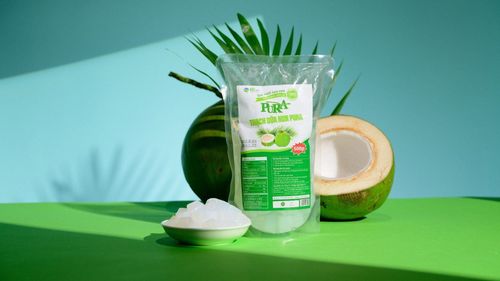
Vietnamese coconut jelly is coconut jelly cut into thin, long strands instead of traditional cubes, giving a chewy, crisp texture and a light, refreshing taste that fits well as a topping for milk tea, yogurt, or many desserts. Compared with cube jelly, these strands create a more attractive look in drinks and match many modern recipes used in cafes or dessert shops.
1. What is Vietnamese coconut jelly?
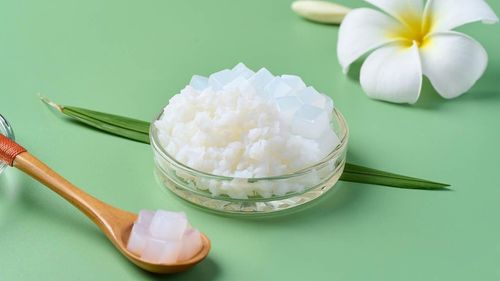
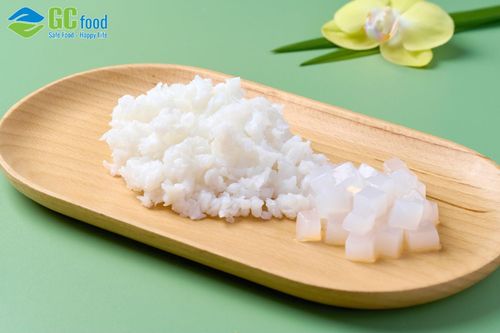
Vietnamese coconut jelly is a variation of traditional coconut jelly that is cut into long, thin strands instead of small cubes or diced pieces, creating a more delicate appearance while maintaining its naturally chewy texture and refreshing taste. This jelly usually has a translucent white color with a crisp, chewy structure that feels light in the mouth and makes it suitable for a wide range of beverages as well as desserts.
In essence, topping coconut jelly is formed through the fermentation of coconut water, which creates a layer of plant-based cellulose with a flexible and chewy structure. After harvesting, the jelly layer is carefully cleaned and processed before being shaped into long strands so it can be conveniently used in drinks plus modern dessert recipes.
2. What is Vietnamese coconut jelly made from?
Coconut jelly is mainly produced from coconut water, a natural ingredient that contains minerals and natural sugars suitable for fermentation. After harvesting, the coconut water is usually pasteurized to remove impurities and beneficial bacteria called Acetobacter xylinum are added to begin the fermentation process. Under controlled temperature and pH conditions, this bacterium converts natural sugars in the coconut water into a thick jelly layer that gradually forms after about 8 to 10 days.
The raw jelly layer is then washed several times to remove the fermented smell and stabilize the pH level while creating a clear white appearance. Depending on production needs, the jelly is cut into long thin strands with a uniform shape before packaging for commercial use. Thanks to the natural fermentation process from coconut water, coconut jelly offers a chewy, crisp texture and keeps its naturally refreshing taste that can easily pair with many different desserts or beverages.

3. How is Vietnamese coconut jelly different from coconut jelly cubes?
In essence, Vietnamese coconut jelly and coconut jelly cubes are both produced through the fermentation of coconut water. However, the main differences appear in their shape, eating texture, and typical uses in food preparation.
3.1 Detailed comparison of the two types
3.2 When should you use Vietnamese coconut jelly?
In many modern drink recipes and desserts, coconut jelly can create a noticeably different experience in both texture as well as presentation.
You may consider using coconut jelly when you want to create a more attractive look for milk tea or fruit juice.
It is also suitable when you need a topping that can mix easily with yogurt or fresh fruit in desserts.
When building a menu that focuses on eating clean choices or calorie control, coconut jelly without added sugar can also be a practical option.
4. How to use Vietnamese coconut jelly in drinks and desserts
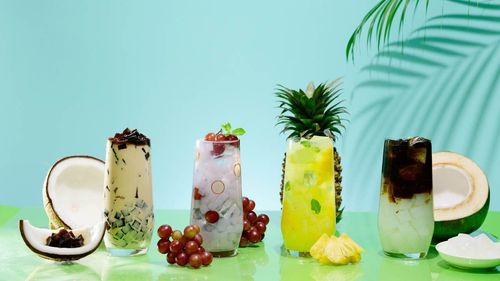
Thanks to its naturally light sweetness, coconut jelly can be used flexibly in many recipes ranging from mixed beverages to homemade desserts. The strand shape allows the topping to spread more evenly in the drink and creates a more balanced texture compared with the cube form. In beverages, this topping is often added to milk tea because it helps reduce the heavy sweetness and makes the drink feel lighter when enjoyed.
Vietnamese coconut jelly also pairs well with fruit juice, smoothies, or dessert bowls, where the strands add a pleasant texture and improve the overall appearance of the dish. To maintain the natural taste and texture, it is better to let the jelly drain before using it while avoiding reheating at high temperatures because this can reduce its natural crispness.
5. Types of Vietnamese coconut jelly available on the market
At present, coconut jelly is produced in many different specifications plus technical standards to meet both household consumption needs and export demand.
Classification by ingredients
Unsweetened coconut jelly: Suitable for people who follow a diet, eat clean menus, or beverage recipes that require better sugar control.
Sweetened coconut jelly: The sweetness level is already adjusted, making it convenient for direct use in milk tea, sweet soups, yogurt, and desserts.
Classification by packaging format
PAPE bags or carton boxes: 200g, 500g, 1kg, 3kg, 5kg, 10kg
Tin cans: 850g, 3kg, 18kg
Plastic jars: 1kg, 2.5kg, 3kg, 3.8kg
Bulk export: 17 tons per 20FCL and 26 tons per 40FCL containers.

6. How to store Vietnamese coconut jelly
To maintain the natural crisp texture plus refreshing taste of coconut jelly, proper storage plays an important role in preserving product quality and food safety. Before opening the package, coconut jelly can be stored at room temperature in a dry place with good ventilation while avoiding direct sunlight.
After the package is opened, the bag or can should be sealed carefully to limit contact with air. The product should then be kept in the refrigerator compartment to maintain its crisp texture and natural flavor. It is also recommended to eat coconut jelly within the time indicated on the package to ensure the best quality and freshness.
7. Where to buy high-quality Vietnamese coconut jelly
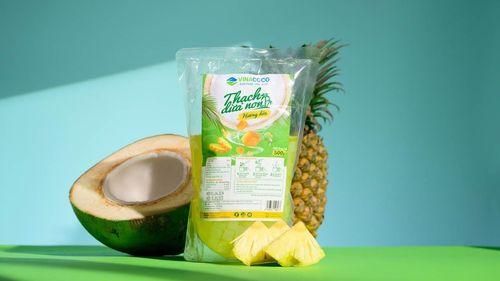
To ensure food safety and stable quality for long-term use, consumers should prioritize products from reputable brands with standardized production systems. In Vietnam, GC Food Joint Stock Company (GC Food) is considered one of the pioneering producers in the coconut jelly industry. GC Food coconut jelly is produced from coconut water sourced in Ben Tre and processed through a closed production system that applies modern Pasteur pasteurization technology to maintain its naturally crisp texture.
Vietnamese coconut jelly from GC Food is available in many packaging formats with two options, including sweetened or unsweetened versions suitable for household use as well as F&B businesses. For export products, GC Food also applies an advanced Aseptic UHT system that helps extend shelf life and maintain product quality without using preservatives.
8. FAQs - Common questions about Vietnamese coconut jelly
When learning about or using coconut jelly, consumers often have questions related to nutritional value and proper storage methods. Below are some of the most common questions, together with clear explanations to help readers better understand this product.
8.1 How is coconut jelly different from regular coconut jelly?
These two products are not different in terms of ingredients because both are fermented from coconut water. Vietnamese coconut jelly is cut into long, thin strands with a uniform shape, which makes it easier to mix into drinks while creating a more attractive appearance and a light, chewy texture. Regular coconut jelly in cube or diced form usually has larger pieces with a firmer, crisp bite.
8.2 Which dishes are best with Vietnamese coconut jelly?
Coconut jelly is especially suitable for milk tea, fruit tea, juice, smoothies, or fruit yogurt because it offers a refreshing taste with a balanced chewy texture. The product can also be added to sweet soups, tofu desserts, pudding, or fruit salad, where the strands provide a pleasant texture and create a more interesting highlight for the dish.
8.3 How many calories does coconut jelly contain?
Compared with many toppings such as tapioca pearls, coconut jelly generally contains fewer calories. The exact energy level depends on whether the product is sweetened or unsweetened. In the unsweetened version, Vietnamese nata de coco mainly provides dietary fiber from natural cellulose, which is suitable for people who follow a healthy eating plan or weight management diet.

8.4 Can Vietnamese nata de coco be made at home?
In theory, coconut water can be fermented at home to create a raw nata de coco layer, which is later cut into strands and prepared for use. However, this process requires strict control of temperature, pH level, and hygiene conditions over several consecutive days. For this reason, most consumers prefer Vietnamese nata de coco that is produced through standardized industrial processes to ensure safety and stable quality.
8.5 How long can Vietnamese coconut jelly be stored?
Unopened coconut jelly usually has a shelf life of up to twelve months from the production date, depending on the manufacturer. After opening the package, the product should be stored in the refrigerator compartment and used within the recommended time shown on the label to maintain its crisp texture as well as refreshing taste.
Overall, Vietnamese coconut jelly is not only an interesting topping but also a versatile ingredient that matches modern trends in beverages and desserts. If you are looking for a topping that is tasty, light, and easy to apply to many menu ideas, this product can be a practical choice. You can visit the official website of GC Food to explore more information about us and discover high-quality coconut jelly products.
Article compiled by the GC Food Team - Specialists in natural ingredients.