
 GC Food’s R&D Department
Many people wonder whether consuming raw natural aloe vera is truly good for health. In fact, while aloe vera offers various nutritional benefits, using it without proper preparation can be harmful. Let’s explore this topic in more detail below.
1. The rich nutrients and benefits of natural aloe vera
Aloe vera has long been known as a superfood packed with bioactive compounds that support both health and beauty. Its nutrients help strengthen immunity, protect the skin, and slow down the aging process.
It contains a variety of vitamins such as A, C, E, which are powerful antioxidants that protect cells from free radicals, enhance the immune system, keeping the skin brighter and healthier.
Essential minerals like calcium, magnesium, are also present in aloe vera, helping regulate the nervous system, improve metabolism, while supporting cardiovascular health.
Natural aloe vera provides enzymes such as amylase, lipase, and catalase, which play an active role in breaking down starch and fats, making digestion smoother after meals high in protein or oil.
It also contains compounds like aloin and emodin, known for their antibacterial and antiviral effects, which help relieve mild pain and reduce inflammation caused by external factors.
Aloe vera also contains sterols, gibberellins, and auxins - compounds that calm inflammation, encourage cell renewal, and support the healing of small skin wounds.
Moreover, it provides nearly all essential amino acids that serve as the building blocks of proteins, helping the body maintain energy while recovering after illness or fatigue.
Thanks to this unique blend of nutrients, natural aloe vera has become a widely used ingredient across many fields, from F&B to skincare.

2. Is it safe to eat or drink raw aloe vera?
Many people are familiar with using aloe vera for face masks, desserts, or smoothies. Yet when it comes to eating it raw, some still feel unsure.
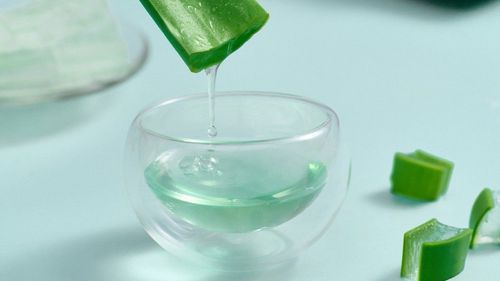
In fact, the clear inner gel of aloe vera, once cleaned properly, is completely edible. This gel is rich in nutrients - from fiber and vitamins to digestive enzymes, offering a refreshing taste while helping to improve skin health from within.
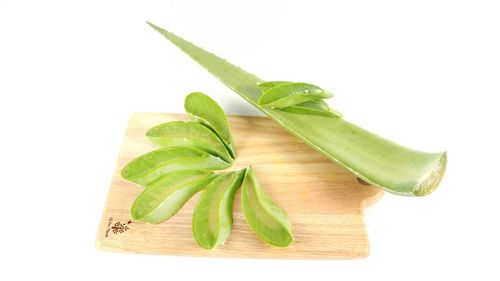
What about the hard green outer skin? Some people eat it for its crunchy texture or mild coolness, but in reality, it contains little nutrition that often has sticky latex residue. This yellow sap, if not removed carefully, can cause stomach discomfort, diarrhea, or irritation. It’s best to peel away the green skin then rinse the gel several times.
When preparing fresh aloe vera, soak the pieces in a light saltwater solution with a few drops of lemon juice for about 5–10 minutes, then rinse with cold water. This step helps remove most of the yellow sap effectively.
You can turn natural aloe vera into light, healthy dishes such as:
Aloe vera smoothie with lemon and honey – Fresh and cleansing.
Aloe vera salad with cucumber/carrot – Pleasantly unique with a crispy texture.
Aloe vera jelly – A favorite treat for both kids & adults.
In short, eating raw aloe vera is safe as long as it’s properly cleaned and prepared. When handled correctly, it becomes a delicious, cooling ingredient that brings nutrition to the body.

3. What are the health benefits of drinking raw aloe vera?
When properly prepared, consuming raw aloe vera can bring several noticeable benefits for both health and skin care.
3.1. Rich in antioxidants, helps reduce inflammation
Aloe vera contains plant-based compounds called polyphenols, which help fight oxidation. Some lab studies suggest that these polyphenols have anti-inflammatory effects. That’s why aloe vera gel is often applied to soothe minor burns, scratches, or allergic reactions on the skin.
3.2. Supports skin health
Besides external use, many people consume raw natural aloe vera or mix it into drinks. Although research is still limited, regular use combined with a balanced diet may help the skin stay hydrated, smoother, and less prone to breakouts. If you experience mild skin irritation, dryness, or weather-related allergies, aloe vera may help calm the skin over time.
3.3. Promotes oral health
Aloe vera can help reduce dental plaque and improve overall oral hygiene. It also contains strong antioxidants that may help protect the enamel layer, especially in older adults.
3.4. Aids digestion, soothes the gut
Aloe vera includes anthraquinone glycosides, compounds that support bowel movement and improve digestion. Still, moderation is key as it should only be consumed in small, regular amounts. Overuse may lead to digestive discomfort.

4. Who should avoid eating raw aloe vera
After learning about the benefits of drinking raw aloe vera, it’s equally important to understand who should limit or avoid it to prevent unwanted side effects.
4.1. People with diabetes
If you have diabetes, it’s best to be cautious before consuming raw aloe vera. Some studies show that aloe vera gel may help lower blood sugar levels.
While that sounds beneficial, it can interfere with diabetes medications, making it harder to control your blood sugar. In some cases, it might even cause irregular heartbeats or other complications. Always consult your doctor first before trying it.
4.2. People with kidney problems
Those with kidney issues - especially kidney failure - should avoid raw aloe vera. The latex or sap found in the aloe leaf contains certain compounds that can build up in the body and worsen kidney conditions over time.
4.3. People with digestive or liver diseases
Natural aloe vera juice, particularly the yellow sap (latex), contains substances that may irritate the digestive system. For people suffering from stomach ulcers, gastrointestinal inflammation, or hepatitis, these compounds can worsen their condition and cause discomfort.
4.4. Pregnant or breastfeeding women
Pregnant women should not consume raw aloe vera juice. Certain active compounds may stimulate uterine contractions, increasing the risk of miscarriage or birth defects. Nursing mothers are also advised to avoid it for the safety of both mother and baby.
Through this article, we’ve learned not only about the benefits of drinking raw aloe vera but also about the precautions you should take. Although aloe vera is a naturally beneficial plant, it must be carefully cleaned and then processed to avoid harmful effects.
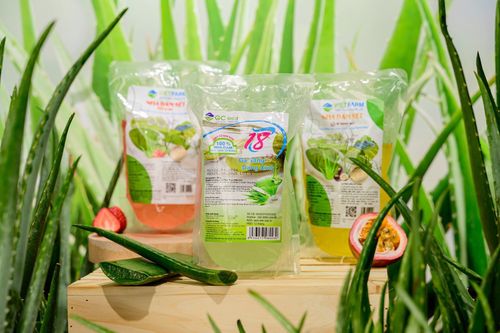
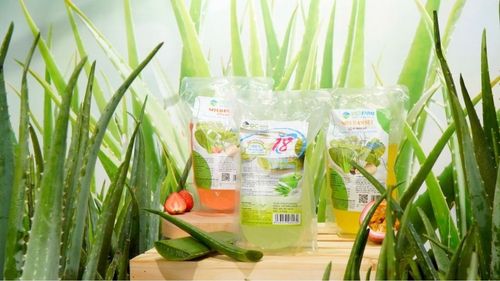
Recognizing the growing trend toward natural ingredients, GC Food continuously enhances product quality to strengthen its position as a leading natural aloe vera processor in Vietnam. From carefully selected fresh aloe leaves at local farms to an internationally certified modern production system, GC Food delivers a diverse range of ready-to-eat aloe vera products and high-quality raw ingredients.
GC Food’s natural aloe vera products are widely used across the food & beverage industry, serving both domestic and global markets with trusted quality.