
 Mr. Nguyễn Đình Huy
The food supply chain plays a vital role in determining the quality and safety of every meal. Understanding this, GC Food has proactively developed a closed-loop supply chain to ensure quality control and pursue sustainable development. Join us in exploring GC Food’s journey to delivering “happy food” to consumers and society through this article.
1. What is a food supply chain?
A food supply chain is a system that includes all activities and relationships from raw material inputs to the distribution and consumption of products. In practice, this model consists of multiple closely connected stages, such as
Cultivation, livestock farming, and harvesting of raw materials.
Preprocessing, production, and packaging of finished products.
Storage, warehousing, and distribution to the market.
Consumers are purchasing and using the products.
In the past, many food businesses focused mainly on production and sales, while other stages depended on third parties or intermediaries. However, this model involves potential risks, such as limited control over raw materials and vulnerability to supply chain disruptions. Therefore, an increasing number of companies are choosing to build fully integrated food supply chains to improve management efficiency and enhance product quality.
2. Why is the food supply chain important for businesses?
As market competition becomes increasingly intense, the food supply chain has emerged as a strategic factor for businesses, delivering significant value in several ways, including:
Minimizing supply chain disruptions caused by natural disasters, epidemics, or market fluctuations, thereby ensuring continuity in production operations.
End-to-end control of the supply chain enables businesses to optimize human resources and costs, thereby enhancing overall management efficiency.
Creating a strong competitive advantage by allowing businesses to flexibly adjust production and distribution plans in response to market changes.
Reducing negative environmental impacts, ensuring food safety, and building a solid foundation for long-term sustainable development.

3. Exploring GC Food’s “Happy Food” supply chain
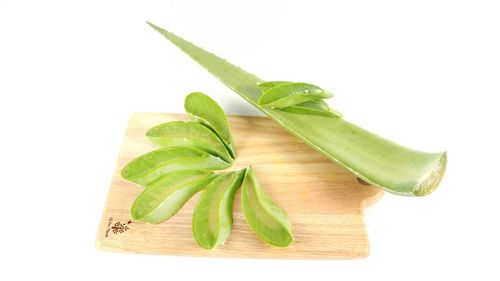
Established in 2011, G.C Food Joint Stock Company (GC Food) began with the production of aloe vera and nata de coco. While many companies focused solely on sourcing and processing agricultural products, GC Food chose to make systematic investments in building a comprehensive food supply chain.
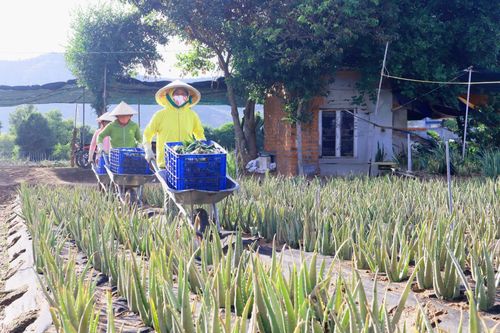
Raw material sourcing: GC Food has developed aloe vera cultivation areas covering more than 200 hectares that meet GlobalGAP standards in Khanh Hoa Province and several provinces in the South Central region. The company signs long-term contracts and provides technical support to farmers, ensuring stable yields and consistent product quality.
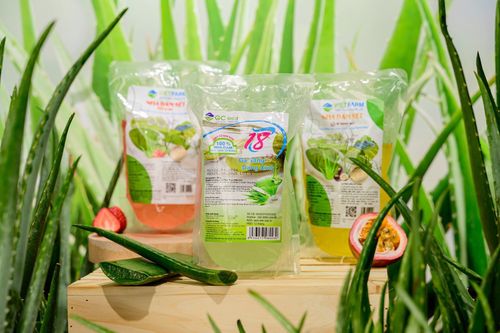
Closed-loop production lines: GC Food established Canh Dong Viet Food Joint Stock Company (VietFarm) in Khanh Hoa, specializing in aloe vera production. The factory operates two modern production lines with a capacity of 30,000 tons of finished products per year and meets international FSSC 22000 standards.
Distribution process: GC Food has built a proactive and flexible distribution system, working directly with partners rather than through intermediaries. This approach enables the company to maintain long-term relationships with many major domestic and international brands.
4. Benefits of GC Food’s closed-loop supply chain
Investing in the development of a closed-loop food supply chain not only enables GC Food to effectively manage its internal operations but also creates sustainable value for the environment and society.
4.1 For consumers
The greatest benefit of GC Food’s closed-loop supply chain is the ability to deliver safe products with consistent quality to consumers. By controlling the entire process - from raw material sourcing to distribution - GC Food’s products meet multiple international standards, giving consumers confidence in their choices and use.
4.2 For the business
This closed-loop model strengthens GC Food’s competitiveness through greater control over raw materials, technology, and operational processes. Reducing dependence on intermediaries helps minimize supply chain disruption risks and optimize costs. This serves as a crucial foundation for GC Food to expand export markets and pursue long-term sustainable development goals.

4.3 For society
GC Food’s closed-loop supply chain provides stable income for farmers through long-term procurement contracts. In addition, the company supports the transfer of modern farming techniques, helping to improve productivity and increase the value of agricultural products, thereby enhancing the livelihoods of local communities.
In a context where food safety and transparency are increasingly prioritized, building a robust food supply chain has become an essential requirement for businesses. With a sustainable development orientation, GC Food is gradually strengthening its value chain from raw material sourcing to final products, delivering meaningful benefits to customers and society. Learn more about the brand in the introducing GC Food section.