
 Ms. Lê Thị Ánh Trinh
Natural aloe vera jelly is made from the clear gel inside fresh aloe leaves. It’s commonly used as a topping for bubble tea, sweet soups, yogurt, and desserts, thanks to its light crunch and refreshing taste. Unlike regular jelly, aloe vera jelly is favored for its naturally chewy texture and higher fiber content, making it both enjoyable and nourishing.
1. What is natural aloe vera jelly?
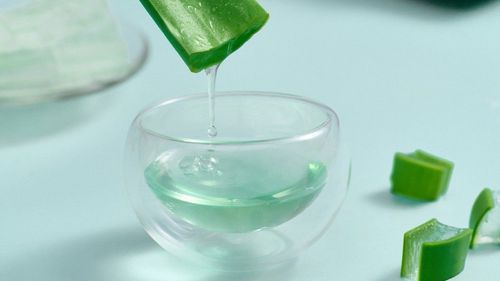
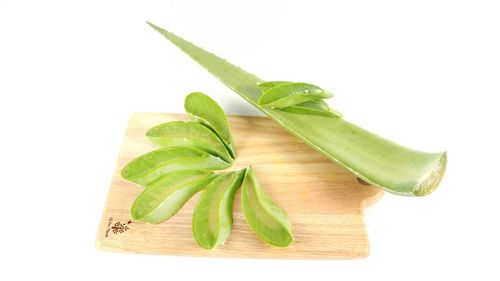
Natural aloe vera jelly (also known as aloe jelly) is made from the clear, translucent flesh found inside aloe vera leaves. To obtain this gel, the leaves are carefully washed, peeled to remove the outer skin, then diced into small cubes and briefly blanched to preserve their naturally crisp and chewy texture.
Beyond its refreshing taste, natural aloe vera jelly is also low in calories - typically around 31 to 53 calories per 100 grams. This makes it a popular choice for light desserts, especially for those following a balanced and health-conscious diet.
Comparison: Natural aloe vera jelly and regular jelly
2. Ingredients and nutritional value of natural aloe vera jelly
Aloe vera jelly contains over 75 bioactive compounds, including vitamins, minerals, enzymes, and essential amino acids. Thanks to its diverse nutritional profile, this jelly is not only a refreshing treat but also offers various potential health benefits.
Below is a reference table of the nutritional content of natural aloe vera jelly:
In addition to the nutrients listed above, natural aloe vera jelly contains several digestive enzymes, including oxidase, catalase, lipase, and amylase, which help break down sugars and fats in food. It also contains bioactive compounds such as anthraquinones, salicylic acid, and plant sterols, which offer antioxidant and anti-inflammatory benefits, contributing to overall health.
3. Health and beauty benefits of natural aloe vera jelly
Thanks to its rich content of antioxidants and natural bioactive compounds, aloe vera jelly is widely used in the food, health, and beauty industries. When consumed appropriately, this jelly can contribute to positive effects on the body from the inside out.
3.1 Skin care and anti-aging
Natural aloe vera jelly helps hydrate the skin while stimulating collagen and elastin production, promoting smooth, firm skin and helping prevent wrinkles. Additionally, its anti-inflammatory compounds may aid in reducing acne marks, supporting cell regeneration, and nurturing a brighter, healthier complexion.
3.2 Digestive support
Natural aloe vera jelly can help ease stomach discomfort and support individuals with irritable bowel syndrome or colitis in improving digestion. It also contains anthraquinones, which have a mild laxative effect, helping to relieve constipation, stimulate bowel movements, and promote a healthy gut microbiome.
3.3 Weight management
With its low calorie content and high fiber, aloe vera jelly provides light nutrition while promoting a feeling of fullness, helping curb snacking. Additionally, certain compounds in aloe vera may support metabolism and enhance calorie burning, making it a suitable choice for those aiming to manage their weight.

3.4 Cooling and detoxifying
Thanks to its natural cooling properties, aloe vera jelly helps refresh the body, cleanse internal toxins, and eliminate waste. It also supports immune function, reduces fatigue, and combats physical exhaustion. For women, consuming aloe vera jelly may help regulate hormones, contributing to more balanced menstrual cycles.
3.5 Anti-inflammatory and antioxidant properties
Aloe vera jelly can inhibit inflammatory signals such as IL-1, IL-6, and TNFα, reducing the risk of chronic diseases. Regular, moderate consumption may also boost antioxidant levels in the blood, helping the body combat free radical damage.
3.6 Strengthening hair
The amino acids, proteolytic enzymes, and vitamins in aloe vera jelly can improve dry, brittle hair and reduce hair loss. Additionally, aloe vera compounds may help treat dandruff, stimulate faster hair growth, and promote soft, strong, and healthy hair.
4. How to make natural aloe vera jelly at home
You can easily make non-sticky, non-bitter natural aloe vera jelly at home by following the steps below. The entire process typically takes about 25 - 30 minutes, including around 15 minutes for ingredient preparation and 10 - 15 minutes for cooking.
4.1 Ingredients for aloe vera jelly
4.2 Steps to make natural aloe vera jelly
4.2.1 Step 1: Peel and dice the aloe leaves
Start by rinsing the aloe vera leaves thoroughly to remove any dirt, then pat them dry. Place the leaves on a clean cutting board and use a sharp knife to trim off the spiky edges on both sides, creating a groove for peeling.
Slide a thin knife or kitchen spatula into the groove and gently lift along the length of the leaf to remove the top layer of skin.
Next, lightly score the aloe flesh with vertical and horizontal cuts to form small, cube-like pieces.
Finally, use a spatula to gently push from underneath, separating the diced aloe flesh completely from the outer skin.
4.2.2 Step 2: Remove bitterness and sliminess
Place the diced aloe into a large bowl, add ½ teaspoon of salt and the juice of half a lemon, and stir gently, then let it soak for about 15 minutes to remove the slimy texture.
Drain the aloe in a colander and rinse thoroughly under running water several times until the aloe flesh is clean and no longer slimy.
4.2.3 Step 3: Blanch and chill
Bring a pot of water to a boil, then briefly blanch the aloe cubes for 1 - 2 minutes. Avoid overcooking, as high heat can make the aloe too soft.
Immediately transfer the aloe into a bowl of ice water and soak for 5 minutes. Drain well, and your natural aloe vera jelly is ready.
Note: You can skip blanching by soaking the aloe in concentrated salt water, rubbing it gently, and rinsing multiple times until all sliminess is removed.
5. What can you use natural aloe vera jelly for?
Once you’ve prepared a batch of crisp, refreshing aloe vera jelly, you can use it to create a variety of desserts or beverages.
6. Where to buy natural aloe vera jelly?
Today, natural aloe vera jelly is widely available at traditional markets, major supermarkets, convenience stores, and online shopping platforms. However, this convenience can come with potential food safety risks.
Consuming unlabeled or unbranded aloe vera jelly with unknown origins or no expiration date may lead to serious health issues, such as food poisoning or the accumulation of harmful chemicals in the body. For this reason, nutrition experts recommend choosing products with clear packaging, transparent production information, and certified quality standards.

7. GC Food aloe vera - A convenient snack for busy lifestyles
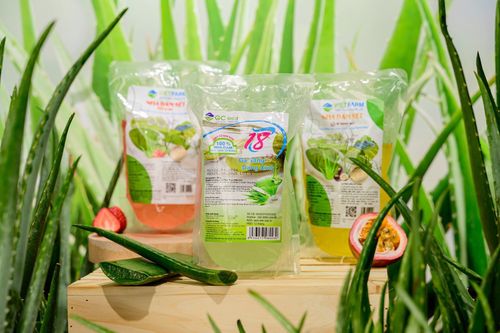
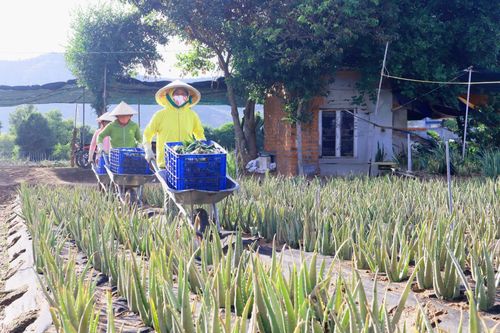
If you’re looking for high-quality aloe vera jelly or aloe vera ingredients, consider products from G.C Food Joint Stock Company (GC Food). GC Food sources its aloe vera from the Sun & Wind Farm in Ninh Thuan, now part of Khanh Hoa Province. The region’s dry, sunny climate provides ideal conditions for aloe vera cultivation, resulting in thick, gel with low sliminess
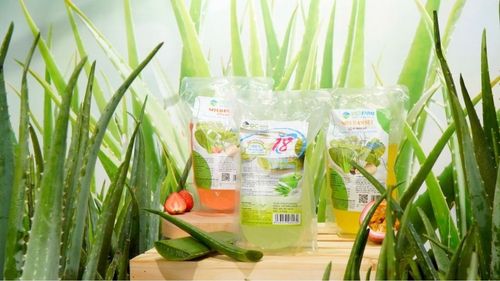
In addition, the entire production process is managed according to international standards such as FSSC 22000, HALAL, and FDA, ensuring the products meet requirements for both domestic and international markets. Here is a list of GC Food’s main aloe vera product lines:

8. FAQs - Common questions about using aloe vera jelly
Many people have questions about the nutritional value, preparation, and storage of aloe vera jelly. Here are answers to some of the most frequently asked questions:
8.1 Is aloe vera jelly good for you?
This product is popular for its refreshing taste, easy-to-eat texture, and natural nutrients from aloe vera. When consumed in moderation, aloe vera jelly helps cool the body, provide hydration, and enhances the taste of desserts and beverages
8.2 How many calories are in aloe vera jelly?
Aloe vera jelly is low in calories, containing approximately 31 - 53 calories per 100 grams, depending on added water and sugar during preparation. This makes it an ideal light, nutritious addition to your diet.
8.3 Do you need to remove the aloin when making aloe vera jelly?
To ensure aloe vera jelly is not bitter and safe to eat, it’s necessary to remove the yellow sap (aloin). This can be done by rinsing and soaking the aloe in salt water or lemon juice, which eliminates the bitter taste while preserving the jelly’s natural crispness.
8.4 How long can aloe vera jelly be stored?
After preparation, store aloe vera jelly in the refrigerator and consume within 3 - 5 days to maintain its flavor and quality. If industrially packaged and sealed properly, aloe vera jelly can last up to 12 months.
8.5 Can children eat aloe vera jelly?
Children aged 1 year and older can eat aloe vera jelly in appropriate amounts, as their digestive systems are more developed. However, the aloe must be carefully prepared to remove the bitter sap, and it’s recommended to give children only 50 - 100g per serving, 2 - 3 times per week to avoid digestive upset.
In summary, natural aloe vera jelly is a refreshing, easy-to-eat ingredient suitable for a variety of desserts and cooling beverages. For the best taste and safety, aloe should be properly prepared, and ingredients should be sourced from reliable suppliers. For high-quality aloe vera products for home use or F&B business, consider GC Food’s aloe vera range and learn more about us by visiting the official GC Food website.
Article compiled by the GC Food Team - Experts in natural ingredients.