
 GC Food’s R&D Department
Growing natural aloe vera at home is quite simple since this plant is easy to care for, resistant to most pests, and offers plenty of health benefits. This guide will walk you through every step - from choosing seedlings, preparing the soil, and taking care of the plant to harvesting. This article also highlights GC Food’s Global GAP-certified farming process, which ensures product safety and consistent high quality.
1. Benefits of natural aloe vera
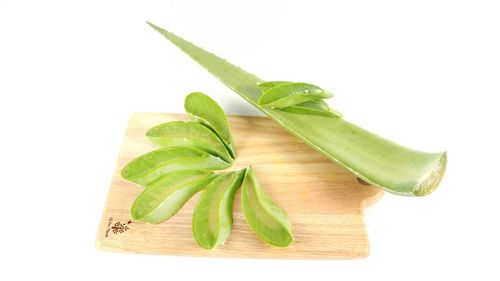
Aloe vera has thick, fleshy, lance-shaped leaves with tiny serrations along the edges. Its flowers grow in long yellow-green or pink clusters, and usually bloom in late summer or early autumn. In Vietnam, natural aloe vera is widely grown, especially in Binh Thuan and Ninh Thuan provinces.
Main benefits of natural aloe vera:
Helps manage diabetes
Nourishes the skin.
Promotes liver and kidney health.
Provides antibacterial and anti-inflammatory properties.
With so many benefits, more people are learning how to grow aloe vera so they can have this useful plant right at home.
2. How to grow natural aloe vera at home
2.1 What you need to prepare
2.1.1 Choosing the right seedlings
The easiest way to get good-quality seedlings is to buy them from a nursery. For planting, choose young aloe offsets about 10 cm tall, and transplant them once they reach 15–20 cm.

2.1.2 Fertilizing the soils
When it comes to growing aloe vera, the most important factor is well-drained, loose, and nutrient-rich soil. The soil mix should include ash, rice husks, coconut fiber, and organic fertilizer. Before planting, this mixture needs to be covered, then left to rest for about 15 to 20 days.
One thing to note when growing natural aloe vera is to avoid planting it in sandy soil.
2.1.3 What tools will you need?
You can use trays, pots, styrofoam boxes, or open soil in your garden. Make sure each container has drainage holes to prevent root rot.
2.2 How to plant and care for it properly
2.2.1 Planting aloe vera
First, carefully remove the young aloe plants from the nursery, keeping as many roots as possible. When planting, space each plant about 40 cm apart. If planting in rows, make sure the rows are about 80 cm apart.
When planting, keep the leaves slightly above the soil surface. Make sure the seedlings stand upright so the roots can grow evenly. Although natural aloe vera is drought-tolerant, it still needs proper moisture, so keep the soil moist during the dry season and ensure good drainage during the rainy season.
2.2.2 Choosing fertilizer
If you grow natural aloe vera for personal use, organic fertilizer is enough. For potted aloe plants, add fertilizer every two weeks. For garden-grown aloe vera, apply fertilizer once a month.
2.2.3 Watering
When first planted, aloe vera should be watered once a day to maintain soil moisture. Once the roots start to grow, you can reduce watering to once every two days.
2.2.4 Growing tips
Natural aloe vera rarely suffers from pests or diseases thanks to its thick skin as well as natural resistance. However, if plants are grown too close together or the humidity is too high, they may develop black spots on the leaves. In that case, remove the affected leaves and adjust the growing conditions accordingly.
Note: If you’re growing aloe organically, avoid using chemical pesticides, as they can affect the quality of the leaves when harvested.
2.3 Proper harvesting guide
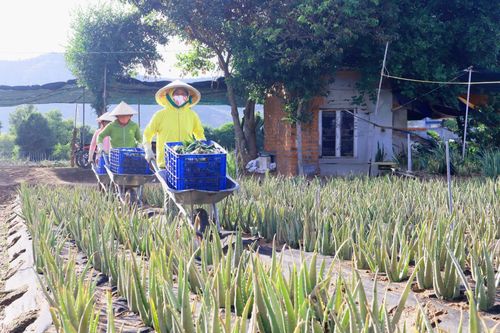
Once your aloe vera plants have matured, you can start harvesting when the leaves are over 25 cm long, dark green, and full of gel.
Use a knife to cut the outer leaves at the base, avoiding the center of the plant so new leaves can continue to grow. Each time you harvest, only cut mature leaves — no more than three at once.
3. Aloe vera cultivation process under Global GAP standards at GC Food
The natural aloe vera cultivation process at GC Food follows strict and scientific Global GAP standards to ensure safety and quality.

Main highlights of the process:
Fertilizer: Following the principle of sustainable development, GC Food combines organic and inorganic fertilizers to provide balanced nutrition for the plants without harming the environment.
Management and supervision: GC Food maintains a strict monitoring system to detect and control pests as well as diseases in time. In addition, every activity is carefully recorded to ensure transparency and easy traceability when needed.
Growing aloe vera at home is simple and can be done by anyone. However, to produce premium-quality aloe vera products, GC Food always adheres to strict Global GAP standards. This ensures that every natural aloe vera product from GC Food is nutritious, safe for consumers, and produced through environmentally friendly practices that promote long-term sustainability.