
 Ms. Lê Thị Ánh Trinh
A lot of people wonder which foods don’t go well with natural aloe vera when using it in dishes or drinks. Knowing this can help you avoid combinations that ruin its nutritional benefits or even make you sick. In this article, GC Food will show you which foods to avoid with natural aloe.
1. Foods to Avoid with Aloe Vera
1.1 Cold-natured foods
Natural aloe vera is a cooling food that helps beat the heat. So, pairing it with other cold-natured foods can cause stomachache, causing cramps or diarrhea, especially if you have a sensitive stomach.
Examples of cold-natured food include:
Seafood like clams, mussels, and snails
Seaweed
Cooling drinks like coconut water or pennywort juice
Some watery fruits like watermelon, pears, oranges, lemons, and tangerines

1.2 Milk and dairy products
Aloe vera has enzymes that can make milk and dairy products like yogurt, cheese, or cream curdle. So it’s best not to mix them, or you might end up with an upset stomach, nausea, or diarrhea.
1.3 High-Acid Foods
If you’re wondering which foods don’t mix well with aloe, high-acid foods are the answer, because aloe contains a compound called anthraquinone. It acts as a natural laxative, so combining it with acidic foods like oranges, lemons, green mangoes, or vinegar can irritate your stomach, causing cramps or even diarrhea.
1.4 Some herbs
Aloe vera doesn’t mix well with certain herbs, like rhubarb root, castor bean, magnolia bark, or goldthread. Combining them can upset your stomach, cause cramps, or even diarrhea, especially for people with sensitive stomachs or digestive issues.
1.5 Garlic
Garlic is another food to watch out for. Avoid eating or drinking aloe juice right after having garlic, and vice versa. Doing so can suddenly lower your blood sugar and potassium, which can seriously affect your health.
2. Who Should Avoid Natural Aloe Vera
Besides knowing which foods to skip, it’s also important to be aware of who shouldn’t use aloe to keep yourself and your family safe.
2.1 Diabetes Patients
Aloe vera can lower blood sugar, so people with diabetes should be careful because it might cause dangerous drops in blood sugar levels.
Some common symptoms include irregular heartbeat, blood sugar swings, or even coma in severe cases.
2.2 People with kidney problems
The yellow sap in natural aloe vera can harm the kidneys over time. So, anyone with kidney disease or kidney failure should skip aloe vera to avoid making things worse.
2.3 People with low blood pressure
For those with low blood pressure, it’s best to be careful with natural aloe vera. Its laxative effect can dehydrate them and lower potassium, which can make their blood pressure drop even more.
2.4 People allergic to aloe
People who are allergic to aloe vera should avoid using it, as it can cause itching, rashes, or even trouble breathing and chest tightness.
2.5 Pregnant and breastfeeding women
Moms-to-be, especially in the first few months, should definitely stay away from aloe vera. Some compounds in the plant can trigger bowel movements and even make the uterus contract, increasing the risk of miscarriage, bleeding, or other dangers for both mom and baby.
Breastfeeding women should also skip natural aloe to protect the baby. Its laxative compounds can pass through breast milk and may cause diarrhea or dehydration.
2.6 People with digestive issues or weak stomachs
Natural aloe vera is a laxative, which isn’t great for sensitive stomachs or digestive issues. It’s best to skip it to avoid making things worse.
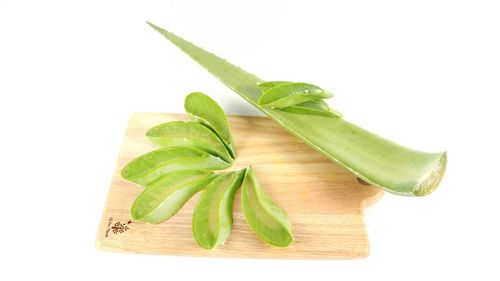
In short, natural aloe vera is great for cooling the body and detoxing, but you need to use it right to get the benefits. Knowing which foods don’t go well with it helps you prepare it safely and keep its nutrients. Remember to peel off the green skin, rinse away the yellow sap, and quickly blanch it in boiling water to remove the bitterness and make it easier to use.

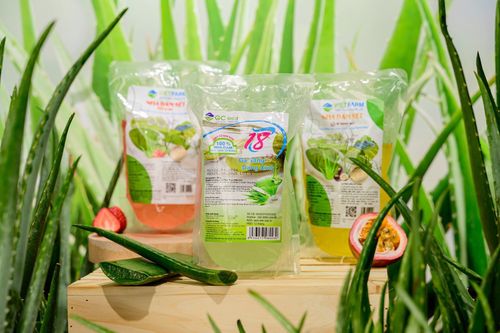
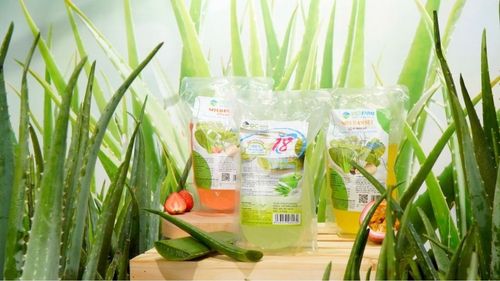
If you don’t have time or feel worried about preparing fresh aloe yourself, you can swap in ready-to-use aloe products like chopped aloe or aloe juice. They still give you the same taste and benefits.
GC Food is proud to offer safe, high-quality, natural aloe vera products you can trust. With a wide range of flavors and types, it’s easy to find one you’ll like. Check out the “About Us” section to learn more about our ingredients, factories, and other products.
Now that you know which foods to avoid with natural aloe vera and who should be careful, we hope this article helps you understand natural aloe vera better so you can use it safely and get all its benefits.