
 Ms. Lê Thị Ánh Trinh
Aquatic aloe vera is known for its beautiful shape, vibrant green color, and ease of care, especially when grown hydroponically. In this article, GC Food will share the simplest and most effective way to grow aloe vera hydroponically, helping you grow healthy plants.
1. Overview of the aloe vera plant
Aloe vera belongs to the Asphodelaceae family and has an upright stem, with roots that develop in dense clusters. The plant is 15 to 30 cm tall, depending on its growth stage. Aloe vera is particularly notable for its thick, succulent leaves. Short spines on either side of the leaves help reduce moisture loss in dry conditions.
The plant's root system is visually appealing, white in color, and easily observable when grown in water. The leaves of this plant grow quite widely, are broad, and angled at about 45 degrees from the vertical, creating a distinctive appearance.
Aloe vera flowers are yellow or red and grow in clusters, adding beauty to the plant. The flower stalks are about 10 cm long, and the flowers are up to 3 to 4 cm long. When grown hydroponically, aloe vera flowers add a unique beauty to the plant, making the space near it more lively.

2. Select and prepare aloe vera seedlings for effective hydroponic cultivation
2.1 Choosing aquatic aloe vera varieties
There are over 300 varieties of aloe vera worldwide. However, the most common variety grown hydroponically is Aloe vera (also known as Aloe barbadensis miller). This variety is easy to grow, vigorous, and thrives well in hydroponics, while having a natural beauty with thick, succulent leaves. This aloe vera variety is very easy to care for and is an ideal choice for those wanting to grow plants indoors or decorate their space.
2.2 Propagating aquatic aloe vera hydroponically
When growing aquatic aloe vera, you don't need to buy seeds. Instead, you can propagate the plant using two common methods: aloe vera leaves or seedlings:
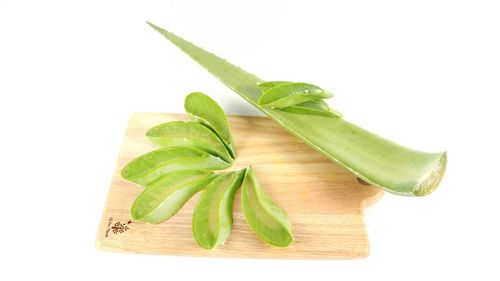
Propagation using aloe vera leaves: Cut a mature leaf from a healthy mother plant. Place the leaf horizontally in a tray of water with the veins facing upward. Make sure the water covers about half the length of the leaf. After a few weeks, you will see the roots start to grow from the base of the leaf, ready to be transferred to hydroponic cultivation.
Propagation by seedlings: After about a year of planting, the mother aloe vera plant will develop seedlings. Once the seedlings reach about 15 cm or more, you can separate and plant them individually in the hydroponic system. The seedlings will quickly grow and root in an aquatic environment, saving significant time during propagation.
3. How to grow aquatic aloe vera at home: Simple and correct techniques
3.1 Prepare the tools for growing aloe vera hydroponically
To grow aquatic aloe vera at home, you will need to prepare some basic tools:
Glass jar: Use to store water and the aloe vera plant, allowing you to easily observe the root development.
Clean water: Aloe vera plants need clean water to grow well; don't use fresh tap water because it may contain harsh chemicals.
Hydroponic nutrients: For the plants to grow quickly and healthily, you need to add specialized hydroponic nutrients to the growing water.
3.2 Proceed with growing aquatic aloe vera
Growing aloe vera hydroponically is simple; just follow these two basic steps:
Step 1: Separate the young aloe vera plant from the soil, and rinse the roots with water to remove all the soil still clinging on.
Step 2: Have a glass jar, pour in clean water, and place the washed aloe vera plant into the jar, making sure the roots are submerged but the water doesn't cover the stem.
3.3 How to take care of aloe vera at home
After planting the aloe vera hydroponically, you need to take care of the plant:
Watering: Aloe vera can rot if exposed to excessive moisture. When growing aloe vera hydroponically, change the water weekly. Make sure that the water only covers the roots and does not flood the plant stem.
Light: Aloe vera plants need light, but not too much in direct sunlight. If grown indoors, you should take the plant outside for sun exposure once a week to help it photosynthesize properly.
Temperature: Aloe vera grows well in temperatures between 15 and 35°C. Temperatures below 5°C will cause the plant to stop growing, so don’t place it in cold areas.
Hydroponic solution: To ensure strong growth, add hydroponic nutrients every time you change the water. Simply add one drop of hydroponic solution each time you change the water to provide nutrients to the plant.
3.4 Preventing common diseases when growing aquatic aloe vera
Although aloe vera has a tough outer layer to protect it from insect attacks, when grown hydroponically, plants can still have some diseases:
Yellowing of leaves: Leaves turn yellow and may rot. To solve this, you can cut off the yellowed leaf parts that can spread the disease and add nutrients to the hydroponic system.
Black spot disease: Black spots appear on the leaves due to nutrient deficiency. You need to change the water and add more hydroponic nutrients so the plant can recover.
Root rot: Leaves wilt, then both leaves and roots rot. You can rinse the plant after removing the damaged leaves and roots, allowing it to continue growing healthily.

By planting and caring for aquatic aloe vera using the right techniques, you will have a healthy aloe vera plant. This is the ideal solution for those who want to grow plants in limited space while still ensuring the plants thrive.
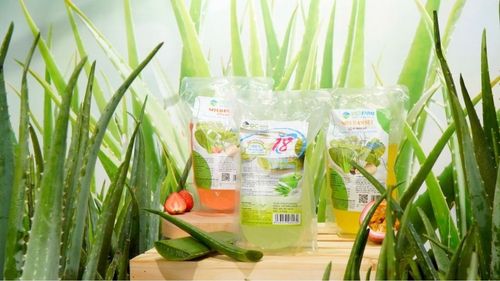
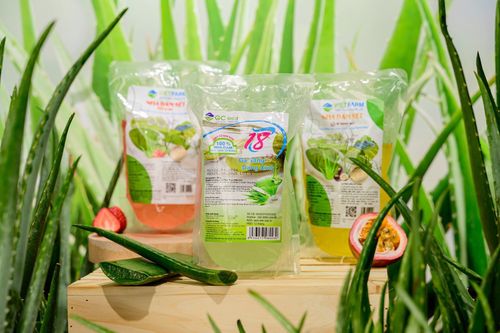
Aquatic aloe vera is not only a beautiful ornamental plant that adds a modern look to living spaces, but it also has amazing effects on purifying the air and supporting health. With these instructions, you can not only grow healthy aquatic aloe vera plants yourself but also learn more about the amazing value of this plant in everyday life. If you love aloe vera and want to enjoy its refreshing taste and nutritional benefits from this natural ingredient, GC Food's processed aloe vera products will be the perfect choice. Using carefully selected fresh aloe vera as the raw material and a modern production process that meets international standards, GC Food offers consumers a diverse range of fresh, safe, and convenient products - capturing the essence of nature.
This article was compiled by the GC Food Team - Experts in natural ingredients.