
 Ms. Lê Thị Ánh Trinh
Growing aloe vera from leaves is a simple method that requires minimal tools and no complicated techniques, yet the plant can still thrive and grow well. From a single leaf cutting, you can propagate multiple aloe plants for cooking and beauty care while maintaining full control over quality and ensuring safe, confident use at home.
1. Remarkable benefits of aloe vera
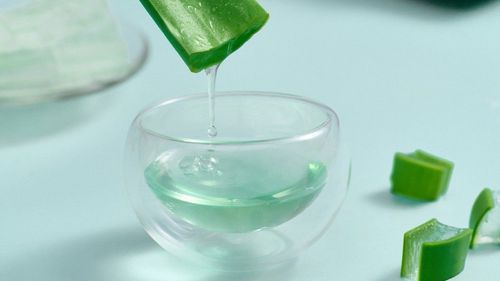
Aloe vera (also known simply as aloe or medicinal aloe) is a well-known succulent plant valued for both its nutritional and medicinal properties. It thrives in hot climates and well-drained soil, which is why it is widely cultivated in Ninh Thuan Province (now part of Khanh Hoa) in Vietnam.
Rich in beneficial nutrients, aloe vera has long been used as a valuable herbal ingredient in traditional Eastern medicine. In addition, it is commonly processed into food products and its extracts are widely used in cosmetic manufacturing. Here are some of the most notable health, culinary, and skincare benefits of Vietnamese aloe vera:
Supports healthy blood pressure: May help reduce both systolic and diastolic blood pressure, improve hypertension, and lower the risk of complications such as stroke and heart attack.
Helps stabilize blood sugar: Supports blood glucose control and improves insulin sensitivity, making it suitable for people managing diabetes.
Promotes digestive health: Helps ease symptoms of gastroesophageal reflux disease (GERD) and relieve discomfort associated with irritable bowel syndrome (IBS).
Relieves constipation: Helps hydrate the body, supports the excretory system, and promotes a balanced gut microbiome.
Improves oral health: Aloe vera extract can be used as a natural alternative to chemical mouthwash, helping maintain oral hygiene without unwanted side effects.
Antioxidant and antibacterial properties: Rich in polyphenols that help inhibit bacteria, with natural antibacterial, antiviral, and antiseptic benefits.
Soothes burns and skin irritation: Helps reduce pain, itching, and inflammation while moisturizing and supporting the healing of burned or irritated skin.
Anti-aging support: Stimulates collagen and elastin production, helping improve skin firmness and visibly reduce wrinkles.
Moisturizes and supports acne care: Hydrates the skin, reduces inflammation, helps heal acne marks, and supports clearer, healthier skin.
Because of these advantages, growing aloe vera at home has become increasingly popular among households worldwide.

2. Growing aloe vera from leaves at home: Step-by-step guide
2.1 Tools and materials needed
For anyone interested in growing aloe vera at home, start by preparing the following basic tools and materials:
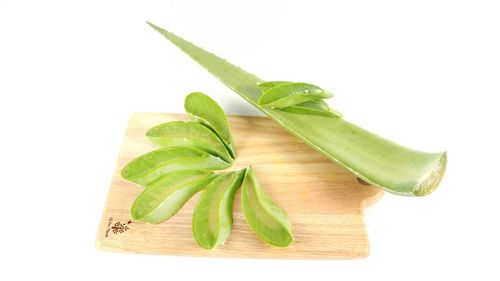
1 fresh aloe vera leaf
A pot with drainage holes at the bottom
A small piece of broken ceramic or pottery
Planting soil (preferably sandy, loose, and well-draining)
A small shovel, gloves, a knife, and a watering can
2.2 Steps for growing aloe vera from leaves
This is one of the simplest methods for growing aloe vera successfully at home.
Step 1: Prepare the pot
First, place the small piece of ceramic or pottery over the drainage hole at the bottom of the pot. Aloe vera does not tolerate waterlogging and can easily die if the soil remains too wet. Covering the drainage hole with a ceramic shard helps prevent soil from washing out while keeping the soil base well-drained and dry enough for healthy root development.
Step 2: Plant the aloe vera leaf
Fill the pot with prepared soil until the soil surface sits about 2 cm below the rim, leaving enough space for watering and proper drainage. Then place the aloe vera leaf cutting upright on the soil and gently press the soil around it, covering roughly half of the leaf base to help it stay stable. Finally, position the pot in a spot with plenty of natural sunlight so the plant can adapt easily and grow well.
Step 3: Care after planting
After placing the aloe vera leaf into the soil, fill a watering can and gently water around the base to keep the soil lightly moist. During the care process, check the soil daily. If it becomes too dry, add more water, but avoid overwatering or waterlogging the plant. With proper care, new shoots and leaves will begin to appear within the next few weeks. If you have basic gardening knowledge, you can also add suitable fertilizer to help the plant grow faster and produce higher-quality leaves.

3. GC Food - A trusted supplier of high-quality aloe vera
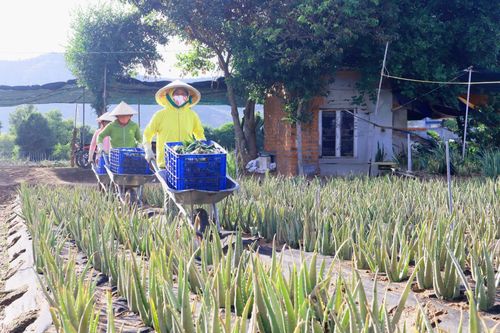
G.C Food Joint Stock Company (GC Food) is a pioneering enterprise in the production, processing, and export of aloe vera-based products. All GC Food aloe vera is carefully selected from the Sunny and Windy Farm in Ninh Thuan (now part of Khanh Hoa), a region well known for its ideal growing conditions.
After harvesting, the aloe vera is transported to VietFarm Food Joint Stock Company - where it is thoroughly cleaned, processed, and packaged. Every stage is carried out within a closed production system using modern automated technology.
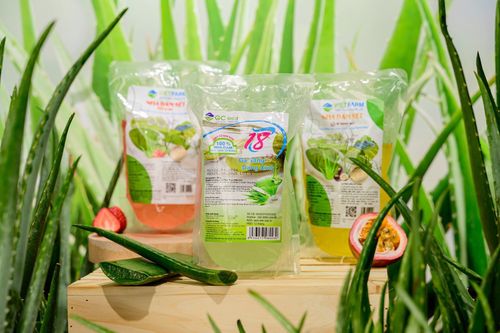
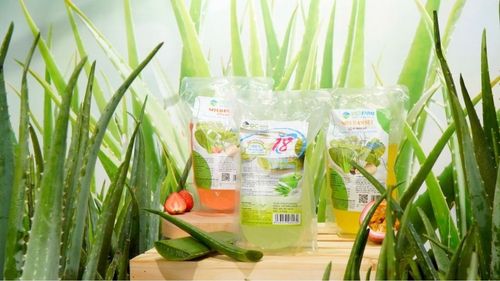
Thanks to this strict and consistent process, GC Food’s aloe vera products maintain uniform quality and are safe for consumers. The products also meet multiple international certifications, including HALAL, FDA, and Kosher standards. In addition, GC Food offers aloe vera in a wide variety of flavors, packaging formats, and product forms, allowing GC Food to deliver fresh and enjoyable culinary experiences to customers worldwide.
GC Food hopes that after exploring this simple guide to growing aloe vera from leaves, you can grow your own small, safe aloe plants at home for cooking and beverages. If you don’t have time to grow and care for aloe vera yourself, GC Food’s ready-to-use processed aloe vera is a convenient alternative. To learn more about GC Food’s ready-to-eat aloe vera products, visit the GC Food introduction page.
This article is produced by Le Thi Anh Trinh - Communications Department at GC Food, specializing in compiling and sharing in-depth knowledge about aloe vera and coconut jelly ingredients and production processes.