
EU Organic is considered one of the most stringent organic certifications in Europe today, established to protect consumer health. This standard is increasingly pursued by many brands as consumers become more concerned about organic food. Let’s take a closer look at this certification and the benefits it brings to businesses.
1. What is EU Organic certification?
This certification is a set of standards issued by the European Union (EU) that define strict principles and requirements for agricultural production and farming. To obtain this certification, businesses must comply with stringent regulations regarding soil conditions, production methods and environmental impact.
Specifically, these standards prohibit the use of genetically modified seeds and require clean soil that is free from radiation and salinity. During cultivation, businesses are not allowed to use pesticides, chemical fertilizers or harmful substances, and may only apply natural fertilizers.
2. Objectives of EU organic certification
EU Organic certification was developed by the European Union in response to the need for a more sustainable agricultural sector, with a strong focus on human health and environmental protection. This standard aims to produce safe products that meet increasingly strict consumer demands for quality and product traceability.
In addition, this organic certification encourages businesses to use natural resources more responsibly and to minimize negative impacts on soil, water and air. Improving soil fertility, conserving biodiversity, maintaining balanced ecosystems are all key objectives in building a stable and sustainable production system.

3. Benefits of achieving European organic standards
Achieving EU Organic certification directly demonstrates the organic production capabilities of the VietFarm factory. In addition, this certification delivers significant benefits to consumers, the environment and society as a whole, as outlined below:
For consumers: EU Organic - certified products provide peace of mind regarding quality and food safety, helping reduce potential health risks.
For the environment: Adhering to EU Organic standards helps minimize negative impacts on soil, water, air, thereby supporting balanced and sustainable ecosystems.
From a social perspective: EU Organic encourages businesses to adopt more responsible production models while raising community awareness of environmental protection and sustainable agriculture.
For businesses: The certification also strengthens brand competitiveness in both domestic and international markets.
4. GC Food’s VietFarm factory achieves EU organic certification
G.C Food Joint Stock Company (GC Food) is one of Vietnam’s leading and most reputable manufacturers of aloe vera and coconut jelly products. In 2015, the company established VietFarm Food Joint Stock Company (VietFarm), focusing on aloe vera production with an annual capacity of approximately 30,000 tons of finished products.
4.1. VietFarm’s EU organic - Certified aloe vera growing areas
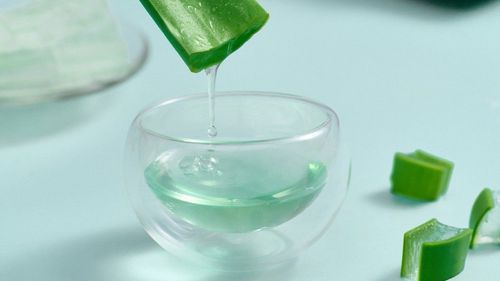
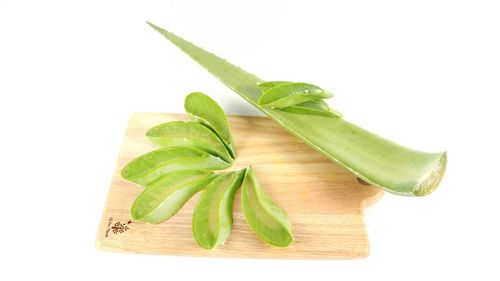
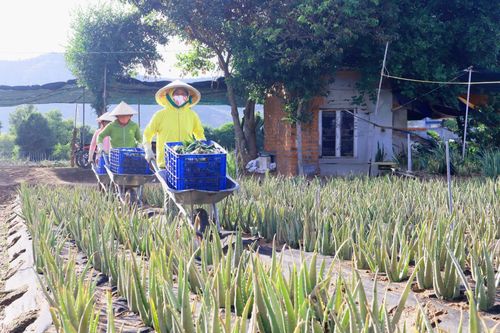
VietFarm has proactively developed and managed aloe vera growing areas that meet EU Organic standards. The aloe vera is cultivated using organic farming methods, with minimal use of chemicals and natural fertilizers made from aloe vera by-products generated during the production process. This approach not only supports stable plant growth but is also more environmentally friendly.
Upgrading from GlobalGAP standards to EU Organic certification is not a short-term move but part of a long-term development strategy. VietFarm has made substantial investments in sustainable production, covering everything from raw material zones to quality control processes. As a result, the company’s aloe vera products have greater opportunities to access demanding international markets while better meeting the needs of both domestic and global consumers.
4.2. GC Food aloe vera products meet European organic standards
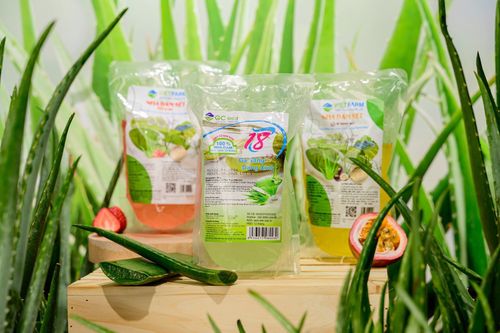
GC Food aloe vera products are made from organic raw materials that meet EU Organic standards and are processed through a closed production system to ensure consistent and stable quality. The products apply advanced aseptic technology, using high-temperature heat treatment followed by rapid cooling, which helps preserve the texture, color and nutritional content over the long term.

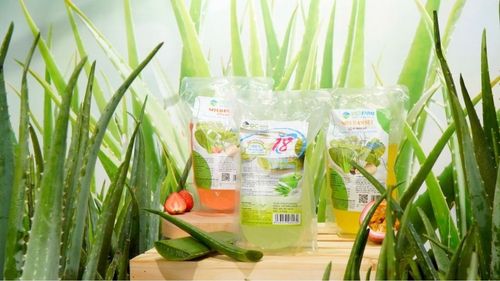
GC Food’s aloe vera jelly product lines are widely loved for their natural flavor, perfect crunchiness, and versatility in pairing with a variety of beverages and desserts. In particular, the brand offers a diverse range of aloe vera products in different flavors and sizes, catering to a wide range of consumer needs and preferences.
It is clear that EU Organic certification is not merely a production standard but also a reflection of the company’s commitment to quality and sustainable development. Intending to elevate Vietnamese agricultural products, GC Food’s VietFarm factory has gradually applied this standard throughout its aloe vera production process. Visit our about us page to learn more about the brand and find aloe vera products that best suit your needs.
This article was prepared by the GC Food Team - Experts in natural ingredients.