
 Ms. Lê Thị Ánh Trinh
Natural aloe vera drink is a beverage made from the gel of the aloe vera plant, known for its light, refreshing taste and easy drinkability. This drink contains various vitamins and minerals that may support digestion, contribute to skin care, and help cool the body effectively. Unlike a pure aloe vera drink that is fully blended, aloe vera juice typically contains lightly crunchy gel cubes and is commonly consumed as a daily refreshing beverage.
1. What is natural aloe vera juice?
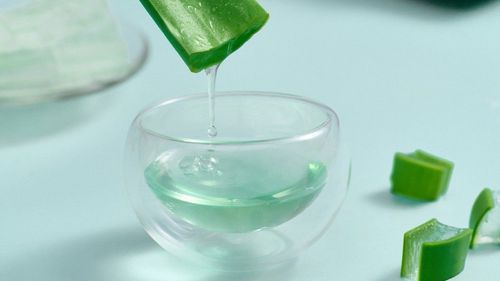
A natural aloe vera juice is made from the clear gel inside aloe vera leaves. After being processed to remove the yellow latex and reduce its natural sliminess, the gel is usually cut into small cubes and cooked with sugar water to create a refreshing beverage. This drink is widely appreciated for its lightly crunchy texture and cooling sensation when consumed.
2. Health benefits of aloe vera juice
Beyond being a refreshing drink, aloe vera juice offers several health benefits. Aloe vera gel contains vitamins, minerals, enzymes, and bioactive compounds that can support bodily functions when consumed in appropriate amounts.
2.1 Supporting the digestive system
Aloe vera gel contains compounds such as anthraquinones and natural polysaccharides, which may help stimulate bowel movements and support digestion. When used properly, aloe vera juice can help reduce bloating, support mild constipation relief, and promote a more stable digestive system. Some studies also suggest that aloe vera components may help soothe the stomach lining, potentially reducing discomfort or acid reflux.
2.2 Contributing to skin health
Vitamins A, C, and E, along with antioxidants found in aloe vera gel, may help protect skin cells from free radical damage. When included in the diet, aloe vera juice can contribute to hydration and support skin regeneration. Certain nutrients in natural aloe vera may also help the skin appear healthier and more radiant.
2.3 Supporting cardiovascular health
One of the recognized benefits of aloe vera is its potential to support heart health. Natural compounds such as glucomannan may help regulate blood sugar and cholesterol levels when combined with a balanced diet. However, aloe vera juice should be considered a supportive addition rather than a substitute for medical treatment.
2.4 Hydration and cooling effect
With its high water content and naturally refreshing taste, aloe vera juice is often chosen as a cooling beverage in hot weather. When chilled before consumption, it can help the body feel more refreshed and contribute to daily hydration needs.

3. Nutritional value of aloe vera juice
In addition to its light and refreshing taste, natural aloe vera juice contains various nutrients that are beneficial for the body. Below is a reference table of its nutritional value:
4. How to make aloe vera juice at home
You can easily prepare aloe vera juice at home using familiar ingredients. With proper preparation to remove the latex and bitterness of natural aloe vera, you can quickly make a refreshing and easy-to-drink beverage.
4.1 Ingredients
Before starting, prepare the following ingredients in the recommended quantities:
4.2 Step-by-step preparation guide
To make refreshing aloe vera juice at home, you need about 10 minutes for preparation and 30 minutes for cooking by following these steps:
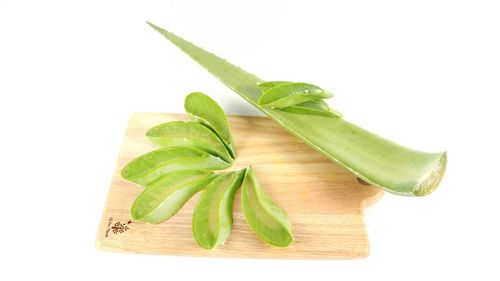
Step 1: Wash the aloe vera thoroughly, remove the green outer skin, and cut the gel into small cubes. To reduce sliminess and bitterness, soak the gel in diluted salt water with a little lime juice for 5 - 10 minutes, then rinse several times with clean water.
Step 2: Bring a pot of water to a boil, blanch the aloe vera for about 30 seconds, then remove and immediately soak it in ice water for around 10 minutes to maintain its crisp texture.
Step 3: Add 2.5 liters of water, pandan leaves (washed and tied), and sugar to a pot. Bring to a boil to release a light aroma. Once the sugar has dissolved, remove the pandan leaves, add the aloe vera, and gently stir for 1 - 2 minutes before turning off the heat.
Step 4: Let the aloe vera juice cool slightly, pour it into a glass, and add ice if desired. If not consumed immediately, store it in a clean bottle in the refrigerator for 5 - 6 days.

5. Difference between aloe vera drink and aloe vera juice
Although both are made from the same plant, aloe vera drink and aloe vera juice differ significantly in preparation methods and texture. The table below highlights the differences to help you choose the option that best suits your preference.
6. How to drink aloe vera juice
Aloe vera juice can be consumed at various times of the day, such as after physical activity, during hot weather, or about 20 - 30 minutes before meals to support digestion. Typically, 1 - 2 glasses per day is sufficient for hydration and nutrient intake without putting pressure on the digestive system.
To maximize the benefits of natural aloe vera, it should be combined with a balanced diet rich in vegetables and fruits, along with regular physical activity. This helps improve nutrient absorption, maintain overall health, and support smooth, healthy-looking skin.
7. Who should avoid aloe vera juice?
Although aloe vera juice is a natural beverage with health benefits, certain individuals should be cautious when consuming it:
Pregnant or breastfeeding women: Aloe vera may stimulate uterine contractions when consumed in large amounts.
People with allergies to plants in the lily family (such as onions, garlic, or lilies): May experience allergic reactions such as rashes, itching, abdominal pain, or diarrhea.
People with diabetes: Aloe vera may affect blood sugar levels; medical advice is recommended before use.
People taking diuretics: Some compounds in aloe vera may affect potassium levels in the body.
8. Frequently asked questions about natural aloe vera juice
Below are some common questions about aloe vera juice, along with answers to help you use it with confidence.
8.1 Is it good to drink aloe vera juice every day?
Aloe vera juice can be consumed daily in moderate amounts. About 1 - 2 glasses per day is sufficient for hydration and provides certain nutrients from natural aloe vera. However, individuals with sensitive digestive systems should avoid excessive intake.
Drinking aloe vera juice in appropriate amounts daily helps with hydration and nutrient intake.
8.2 Can it really help improve skin?
Yes, thanks to vitamins and antioxidants such as vitamin C and vitamin E, aloe vera gel may help improve skin condition. When combined with a balanced diet and proper skincare, aloe vera juice can help the skin appear fresher and healthier.
8.3 How many calories are in a typical glass?
Aloe vera juice is typically low in calories, averaging around 30 - 50 kcal per 100 ml, depending on the amount of sugar added during preparation. This makes it a suitable refreshing drink without significantly increasing daily calorie intake.
8.4 Is it suitable for dieting?
With its low-calorie content and refreshing taste, aloe vera juice is suitable for those managing weight or following a diet. For better results, limit added sugar or use sugar substitutes during preparation.
9. GC Food: A convenient solution for modern lifestyles
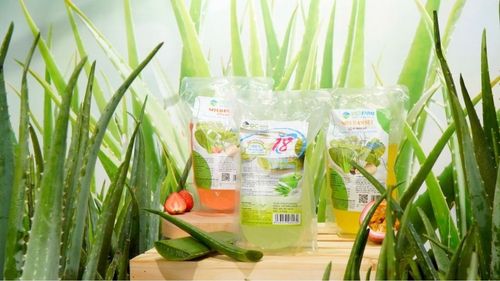
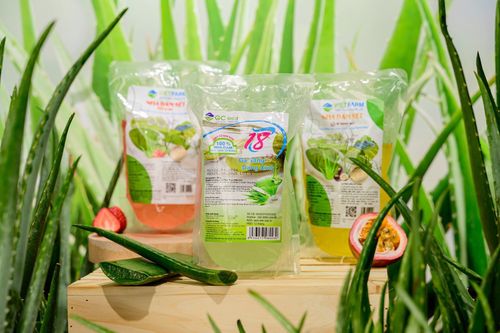
In addition to homemade preparation, many people choose ready-made aloe vera products to save time while still enjoying the characteristic taste of aloe vera. Among them, products from GC Food Joint Stock Company are widely preferred for meeting food safety standards.
GC Food aloe vera is produced under strict quality control processes, applying international food safety management systems such as FSSC 22000, HACCP, HALAL, and FDA standards. As a result, the product maintains its natural crisp texture and refreshing taste while being versatile for use in various beverages and desserts.
Visit the GC Food website to learn more about our products and convenient nutritional solutions.
This article is prepared by the GC Food Team - Natural ingredient specialists.