
 Ms. Lê Thị Ánh Trinh
Aloe vera enzyme is produced by fermenting aloe leaves in an oxygen-free environment to create a natural organic solution. This liquid helps plants reduce shock from fertilizers or chemicals and stimulates root development while supporting recovery after pest damage. In this article, GC Food reveals a method for making aloe vera enzymes for plants, especially orchids.
1. What is aloe vera enzyme? What are its benefits?
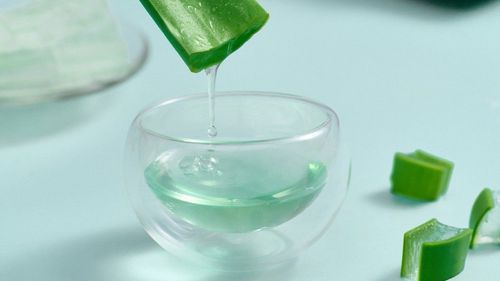
Aloe vera enzyme is an organic solution created through the fermentation of aloe vera leaves and stems. GE, which stands for Garbage Enzyme, refers to biological enzyme liquids obtained from fermenting organic materials under oxygen-limited conditions.
In practice, aloe garbage enzymes are produced by fermenting aloe leaves with natural microorganisms or by using a microbial product called Emzeo. This process transforms the active compounds in aloe into a bioactive solution that supports plant growth. The fermentation period usually lasts around 60 days, yet it can be shortened to about 20 days when microbial starters are applied.
By nature, aloe vera enzyme is a complex organic compound containing natural protein chains, mineral salts, biological enzymes, growth hormones and plant stimulants. Thanks to these components, the solution helps plants reduce fertilizer shock or chemical stress while promoting healthier development.
2. How to make an aloe vera enzyme for orchids
2.1 Ingredients for making aloe vera enzyme
You can easily ferment a batch of aloe garbage enzyme at home to water your orchid garden, beginning with the preparation of the following materials:
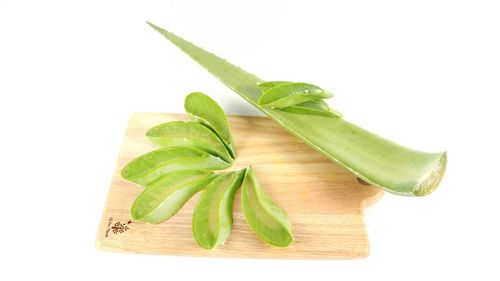
3 kilograms of fresh aloe vera leaves, washed thoroughly and sliced thinly
1 liter of molasses or 1 liter of sugarcane juice
10 liters of clean water
1 pack of Emzeo weighing 200 grams
1 plastic container with a tight lid for fermentation
Note that if you wish to produce a larger quantity, you may increase the ingredients while maintaining the standard ratio of 1 part sugar to 3 parts organic materials to 10 parts water.

2.2 How to make aloe vera enzyme at home
The process of making aloe garbage enzymes for orchids is quite simple, as you only need to follow these steps carefully.
First, pour 10 liters of clean water together with 1 liter of molasses into a container, then stir thoroughly until the liquid becomes fully dissolved.
Next, add all the sliced aloe vera along with 200 grams of Emzeo, after which the mixture should be stirred again to ensure even distribution.
Seal the lid tightly, label the container with the fermentation date, then place it in a cool location away from direct sunlight. The fermentation period for flower use usually lasts from 15 to 20 days, while during the first 10 days, you should release excess gas gently before sealing it again.
A properly fermented solution will have a mild aloe scent without any foul odor, while a thin white film may appear on the surface or may not appear at all.
If a dark layer forms together with an unpleasant smell, the batch has spoiled, yet you do not need to discard it because additional molasses plus Emzeo can restore the process. Simply stir well afterward and continue fermenting until the solution meets the required quality.
This method for orchid care is recommended by the GC Food team - A supplier of high-quality aloe vera in Vietnam.
3. How to use aloe vera enzyme for watering orchids
After 15 to 20 days of fermentation, strain out all aloe residues to obtain a clear aloe garbage enzyme solution of optimal quality. You may also divide the liquid into smaller bottles for convenient storage and gradual use.
3.1 How to dilute aloe vera enzyme for regular orchid care
Mix 3 milliliters of aloe vera enzyme with 1 liter of clean water to create a balanced solution suitable for orchids.
Apply the diluted mixture evenly onto the orchid growing medium, or pour it into a spray bottle before misting gently over the roots, stems, branches and leaves to enhance absorption.
For best results, aloe vera enzymes should be applied every 7 to 10 days to supply nutrients and reduce disease risks. It is advisable to spray in the early morning or late afternoon, as these periods allow the solution to work most effectively.
3.2 Using aloe vera enzyme for detoxification and shock recovery in orchids
If your orchid garden shows signs of toxicity caused by excessive fertilizers or pesticides, aloe garbage enzyme can be applied as an emergency treatment to help stabilize the plants.
Dilute 2 milliliters of aloe vera enzyme in 1 liter of clean water, optionally combining it with vitamin B1, vitamin B12 or other supportive solutions to enhance recovery capacity.
Spray or water the affected pots with the diluted solution three consecutive times, leaving an interval of three days between each application to allow gradual restoration.
When used correctly, aloe vera enzyme not only improves plant vitality and root growth but also accelerates recovery after chemical shock.
4. Circular agriculture model at GC Food
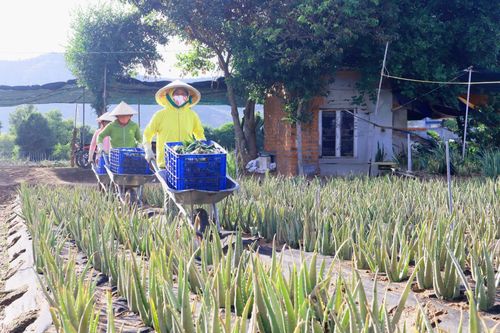
G.C Food Joint Stock Company (GC Food) develops its operations according to a circular agriculture model inspired by green farming principles and a long-term commitment to farmers. GC Food has established a closed production cycle in which aloe byproducts are reused to produce microbial organic fertilizer that returns nutrients to the soil.
Each year, VietFarm Food Joint Stock Company (VietFarm) - An affiliated unit of GC Food collects more than 1,000 cubic meters of substandard aloe after processing it together with peels and leaves. Instead of becoming waste, these materials are blended with manure and fermented with beneficial microorganisms to create high-quality organic fertilizer. This fertilizer is applied to aloe fields at Sun & Wind Farm as well as other crops such as grapes, apples, guava, and melons.

Beyond this stage, livestock byproducts are further utilized as feed for earthworms, producing nutrient-rich vermicompost that adds another link to the circular economy model. Through this closed-loop process, GC Food saves over one billion VND in organic fertilizer costs and more than one hundred million VND in microbial expenses each year.
5. Conclusion
Producing aloe vera enzymes represents a practical approach aligned with current trends in organic farming and circular agriculture. Preparing aloe vera enzyme at home allows you to maximize the value of aloe plants while providing a safe biological fertilizer that remains environmentally friendly.
You may explore more about the sustainable agriculture model of G.C Food Joint Stock Company by visiting the About us page.
This article is compiled by the GC Food team - Specialists in natural raw materials.