
 Ms. Lê Thị Ánh Trinh
Wine-soaked aloe vera is a beauty recipe that’s been passed down for generations. When done right, the wine helps release valuable nutrients that plain water can’t, making them easier for your body to absorb. In this article, GC Food will show you how to make wine-soaked aloe vera, explain its benefits, and share key tips for using it.
1. What is wine-soaked aloe vera?
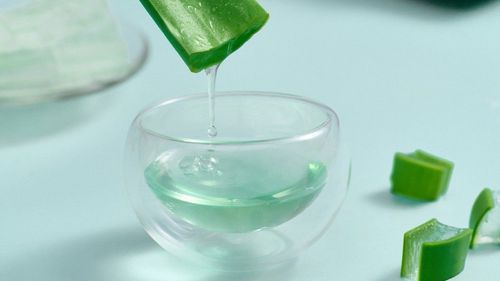
Wine-soaking aloe vera is a method that uses alcohol (usually rice wine or white wine with 35 - 40% alcohol content) to extract the beneficial compounds from aloe vera gel. The wine helps release and preserve the nutrients, and it also stops bacteria and mold from growing, so you can store the aloe vera longer without losing its benefits.
In traditional medicine, alcohol is seen as a carrier that helps the good stuff in herbs get absorbed more easily by the body or through the skin. When you combine it with aloe vera, you’ll get something that not only nourishes your skin but also supports your overall health.
2. Benefits of wine-soaked aloe vera
Wine-soaked aloe vera comes with plenty of benefits for your body:
Supports digestion: Enzymes and compounds like aloe emodin and barbaloin help keep things moving, easing constipation and improving gut function.
Rich in antioxidants: The alcohol helps release aloe’s antioxidants, protecting your cells, boosting immunity, and preventing chronic diseases.
Relieves muscle and joint pain: When applied to the skin, wine-soaked aloe vera has a cooling, anti-inflammatory effect that can ease muscle aches, sprains, or stiffness.
Reduces headaches and dizziness: Alcohol relaxes blood vessels and improves circulation, and together with aloe, it may help reduce headaches or dizziness, especially during seasonal changes.
Oral care: Diluted as a mouth rinse, it can fight bacteria, calm gum inflammation, and help prevent cavities.
3. How to do wine-soaked aloe vera at home
3.1 Ingredients and tools
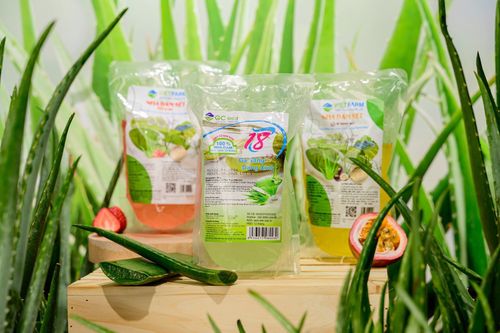
4 - 5 fresh aloe vera leaves with thick flesh (or you can use GC Food’s safely pre-processed pure aloe vera gel for convenience).
Rice wine or white wine with an alcohol content of 35 - 40%.
A clean glass jar with a tight-fitting lid.
2 slices of fresh lemon (optional).
3.2 Instructions
3.2.1 Step 1: Prepare the aloe vera
Rinse the aloe vera leaves thoroughly to remove any dirt or impurities.
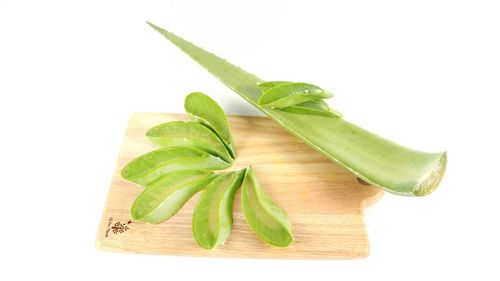
Trim off the spiky edges and peel away the green outer skin, keeping only the clear gel inside.
Cut the gel into small pieces or thin slices.

3.2.2 Step 2: Remove the yellow sap
Soak the cut aloe vera gel in clean water for about 30 - 60 minutes to completely remove the yellow sap. This sap can irritate and has mild toxicity.
After that, rinse the gel several times with clean water and let it drain well.
3.2.3 Step 3: Soak the aloe vera in wine
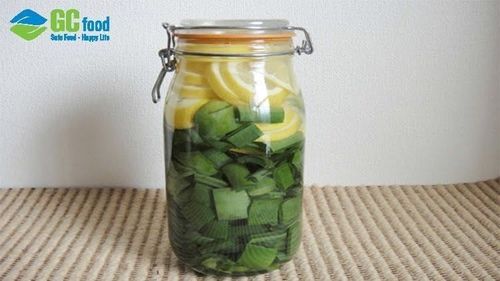
In a glass jar, add the well-drained aloe and a few lemon slices if you like.
Pour in enough wine to fully cover the aloe.
Seal the jar tightly and store it in a cool place, away from direct sunlight.
Give it a gentle shake occasionally to help the nutrients blend evenly into the wine.
Tip: This mixture needs about 2 - 3 weeks to fully infuse. Over time, the wine will change color slightly and develop a light aloe aroma.

This recipe is recommended by the GC Food team, a trusted aloe vera producer that meets international quality standards.
4. Is it safe to apply wine-soaked aloe vera to the skin?
You can use wine-soaked aloe vera on your face, but it’s best to keep a few things in mind:
Do a patch test on a small area of skin and wait 24 hours to check for any irritation.
Start with clean skin, then apply only a thin layer, about 1-2 times a week.
If your skin feels itchy, red, or uncomfortable, stop using it right away.
Avoid applying it to sensitive areas or skin that’s already irritated or damaged.
Rinse off after use, then follow up with a moisturizer to keep your skin balanced.
After reading this far, you’ll likely understand why wine-soaked aloe vera has become increasingly popular. It offers great benefits, but it’s best to use it wisely and make sure the yellow sap is fully removed to avoid any potential side effects.
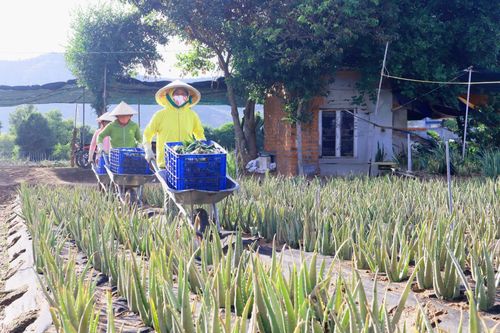
If preparing fresh aloe vera feels like too much work or you’re short on time, you can always go with GC Food’s aloe vera ingredients instead. Harvested from lush aloe fields under the sun and wind of Ninh Thuận, GC Food offers pre-processed, diced aloe vera that’s crystal clear, lightly crunchy, and tastes just like freshly picked aloe.
This article is written by the GC Food team - Experts in natural ingredients.