
 Ms. Lê Thị Ánh Trinh
Is it good to use natural aloe vera as a face mask every day? Many people wonder about this when they begin using natural ingredients on their skin. With its water-rich texture and deep moisturizing properties, women often use aloe vera as a face mask or a moisturizing toner. However, there are many things to know when using this. Therefore, this article will help you to understand the advantages and frequency of using fresh aloe vera masks.
1. Why is natural aloe vera popular in skin care?
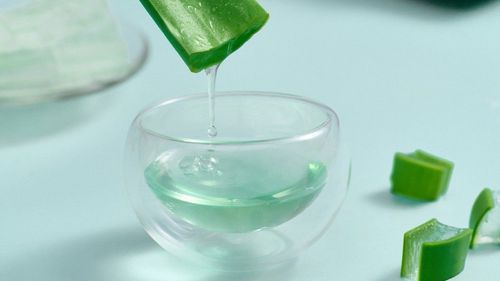
Aloe vera gel contains many nutrients such as vitamins A, B12, E and amino acids that are beneficial for the skin. To make the most of the benefits of natural aloe vera, people not only use it as food but also utilize it as a natural skin care ingredient. One of the simplest ways is to apply fresh aloe vera directly to the skin. The outstanding effects that this natural mask brings can be mentioned as:
1.1 Helps cool and soothe damaged skin
When skin is sunburned or red from an insect bite, just apply it directly to the skin, which can quickly cool and soothe the pain.
1.2 Moisturizing
When it comes to the benefits of natural aloe vera, it is impossible not to mention its moisturizing benefits for the skin. Moisturizers and serums on the beauty/ skincare market often contain aloe vera extract. With a high water content, aloe vera is arguably one of the best natural moisturizers.
Just apply a small amount of aloe vera gel or fresh aloe vera to the dry, rough skin area and wait a few minutes and you will see the skin become soft again.
1.3 Slows down the aging process of the skin
Dehydrated skin is one of the main causes of rapid aging. Therefore, thanks to the abundant amount of vitamin C and E in natural aloe vera, the aging process slows down, helping to maintain a plump, elastic, and vibrant appearance.
1.4 Increase wound healing ability
In addition to the above abilities, natural aloe vera can also help wounds heal quickly. Possessing antioxidant ingredients, aloe vera helps the regeneration of new cells to take place smoothly, thereby promoting wound healing. At the same time, aloe vera also helps reduce dark spots or scars left by wounds.
1.5 Helps treat acne
Acne is caused by bacteria on the skin's surface or by excess oil and dirt that accumulates in pores. Using aloe vera helps fight inflammation, reduce redness and mildly disinfect pimples, preventing bacteria from spreading to other areas of the skin.
Aloe vera gel also acts as a cleanser, removing dead skin cells, excess oil, and dirt from pores. Acne will improve significantly if aloe vera clears these clogging elements.

2. How many times should I use an aloe vera face mask per week?
Is it good to apply fresh aloe vera every day? This is the question of many women who want to use this plant as an ingredient to support their skin. To understand clearly whether applying fresh aloe vera every day is good or not and how to apply it properly, you need to know:
2.1 Should I apply natural aloe vera every day?
Although natural aloe vera offers many benefits for skin care, it should be used in moderation. Overusing fresh aloe vera on the face does not improve skin health and may instead cause irritation or damage. When pores are not clear, the skin is very likely to become clogged and infected, which weakens the skin, making blackheads and acne more likely to form.
Furthermore, there is always a layer on the face called the “skin barrier”. This layer will keep the skin moist and prevent other harmful irritants. When you apply fresh aloe vera every day, you also accidentally wash away this protective layer along with the aloe vera when washing your face. When the skin no longer has a protective barrier, it is very easy to dry out due to dehydration and is easily susceptible to external aggressors.
Therefore, you should consider applying fresh aloe vera with moderate frequency, to avoid overusing it and being counterproductive.
2.2 Frequency of using a fresh aloe vera mask
So how many times a week is it reasonable to apply a fresh aloe vera mask? The answer is you only need to apply it 3 times a week and use it on alternate days. With such frequency, the facial skin will have enough time to absorb all the nutrients in aloe vera, without being overloaded.
A fresh aloe vera mask is very suitable to apply at night. Cool aloe vera helps the skin relax after a day of exposure to dust and blue light. In addition, applying aloe vera mask before bed also limits skin exposure to harmful agents such as sunlight or dust immediately afterward, increasing the skin's ability to nourish.
3. How to make a fresh aloe vera mask
When using fresh aloe vera to apply to your face, you need to pay attention to the step of cleaning the aloe vera to minimize the risk of skin irritation or allergies after applying.
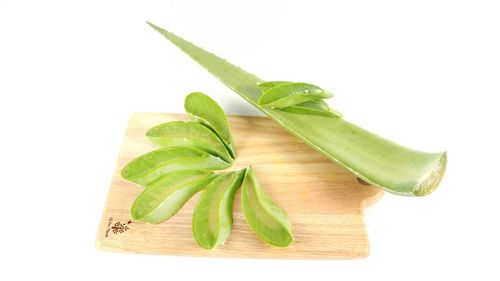
When choosing fresh aloe vera for a facial mask, you should choose leaves that are fresh and green. Peel off the green skin and use only the white flesh inside to apply to your face. Then, scrape the flesh to get the gel, and apply it evenly on the face.
After that, wait about 15 - 20 minutes for the skin to absorb all the nutrients and then rinse thoroughly with water. Finally, follow the remaining skincare steps that you normally do every day.
With natural beauty ingredients, you need to be patient and do it regularly to see changes.
4. Notes when using natural aloe vera for beauty
Although natural aloe vera is very good for skin care, you also need to pay attention to some of the notes below to achieve the best results.
- The most important requirement when applying this method is that the aloe vera must be thoroughly cleaned. When preparing natural aloe vera, you must wash it in the right way so that its slime and yellow sap are completely washed away. Otherwise, you will have a high risk of allergies due to the toxins in this resin.
- If your skin is sensitive or weak, or if you are using highly abrasive or treatment products, you should not apply this fresh aloe vera mask.
- During the process of peeling, microneedling, cosmetic surgery or acne removal, you should not apply a fresh aloe vera mask because at this time the skin is very weak and cannot absorb the essence in aloe vera.
- People with allergies or sensitive skin should not use natural aloe vera directly on their face. Instead, they can use aloe vera gel or cosmetics containing aloe vera extract.
- You should test on a small area of skin or on your wrist first to check if that zone has a reaction or not, if not then you should apply it to your whole face.
- Do not apply it on your skin for too long, just 15 - 20 minutes is enough to provide the necessary nutrients.

Now you know how to prepare a fresh aloe vera mask as well as how to use it properly after reading this article. Natural aloe vera has always been known as a nutritious plant, used not only in the beauty industry but also in cuisine. To learn more about how to make natural aloe vera products, you can follow GC Food today so you don’t miss any new articles.
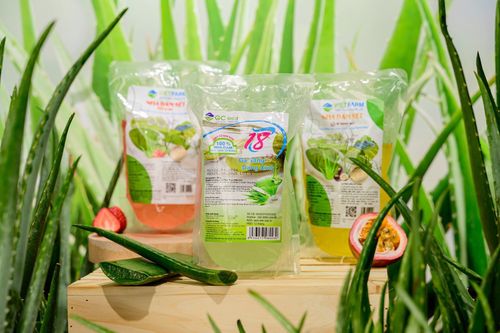
GC Food is a supplier of quality natural aloe vera products, with clean ingredients and diverse processing methods. We are proud to be one of the pioneering enterprises to bring aloe vera into industrial production, bringing the potential of aloe vera to the domestic and international markets. If you are interested in the products and achievements that GC Food has achieved over the years, please visit the About Us section to read interesting information.