
 Ms. Lê Thị Ánh Trinh
Natural aloe vera gel is famous for soothing skin, but can it actually help with acne? This juicy, nutrient-packed plant is widely used in medicine and skincare. In this article, GC Food will share how to fight breakouts with natural aloe vera and important tips you need to know.
1. Can Aloe Vera Help with Acne?
Natural aloe vera can help treat mild acne thanks to its antibacterial, anti-inflammatory, and skin-healing properties. A clinical study published by the Mayo Clinic found that combining aloe gel with a tretinoin cream works better than using the cream alone.
Acemannan in aloe gel helps fight acne-causing bacteria, while anthraquinones and flavonoids calm the skin and reduce redness. On top of that, the vitamins and minerals help strengthen your skin’s protective barrier, keep it hydrated, and fade post-acne marks.

2. How to Treat Acne with Pure Aloe Gel
Depending on your skin’s condition, you can try the acne-fighting recipes shared by GC Food below.
2.1 How to use aloe to fight acne
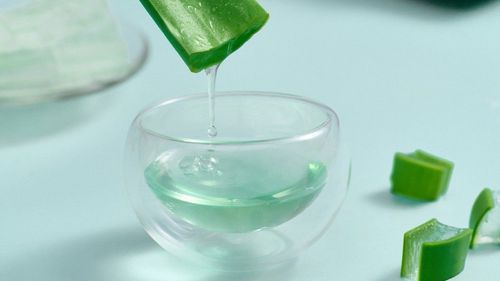
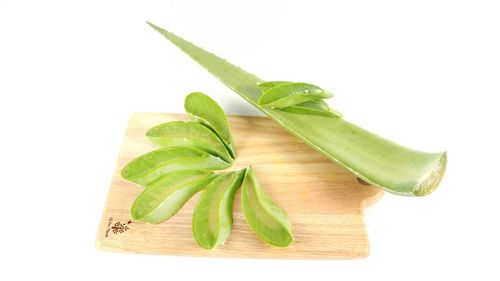
Cut an aloe leaf and let it stand to drain all the yellow sap (this part can irritate your skin). Peel off the green skin, scoop out the gel, and blend it until smooth.
As with any daily skincare routine, start by washing your face to remove dirt. Apply a thin layer of aloe gel to the acne spots and rinse off after about 15 minutes.
NoteQuick tip: Use 2-3 times a week for the best results.
2.2 DIY natural aloe vera acne mask
To speed up acne treatment, you can mix natural aloe gel with other antibacterial ingredients, such as:
The recipes are recommended by the GC Food team, a trusted provider of quality natural aloe vera products.
3. Tips for Using Aloe to Treat Acne Safely
Aloe can irritate your skin if used the wrong way, so keep these tips in mind:
Always do a patch test on a small area of skin (like under your neck) before applying it to your whole face. If you don’t notice any redness or itching, it’s safe to use on your entire face.
Be sure to prep it well by soaking it in salt water to remove the yellow sap, which can cause itching, dryness, and strong irritation.
Only leave it on for up to 20 minutes. If you leave it on overnight or for too long, aloe can draw moisture out of the skin, leaving it dry and more sensitive.
Use sunscreen and wear protective clothing to avoid dark spots, since aloe can make your skin more sensitive to the sun.
If you’re using prescription treatments like tretinoin or adapalene, consult your dermatologist before using aloe to ensure it doesn’t interfere with your medication.

4. FAQs
4.1 Can aloe gel help fade post-acne marks?
Yes! Thanks to its vitamins and ability to boost collagen production, aloe can speed up skin cell turnover, so red and dark spots gradually fade over time.
4.2 Can I rely on aloe for severe acne?
If your breakouts include cysts or pus-filled pimples, aloe is best used to soothe your skin and reduce redness. GC Food recommends consulting a dermatologist for proper treatment and skipping aloe on open wounds.
So, does aloe help with acne? Yes, but it’s more of a helper than a full cure. Aloe is an awesome natural gift, but healthy skin also comes from a solid skincare routine and healthy habits. Check out our website to learn more about GC Food and our products!
This article is written by the GC Food team – experts in natural ingredients.