
JAS Organic is a respected organic agricultural certification, and it is a key requirement for businesses targeting the Japanese market. The standard strictly governs cultivation, processing, traceability and assesses product quality. Achieving this certification helps companies enhance credibility and expand long-term export opportunities.
1. What is JAS Organic?
JAS Organic is an organic agricultural standard issued and managed by Japan’s Ministry of Agriculture, Forestry and Fisheries (MAFF). This certification applies to organic agricultural products and processed foods and is regarded as an essential “passport” for entering the Japanese market.
What sets JAS Organic apart is its strictness. The standard not only requires products to be free from synthetic chemicals but also tightly controls every stage of production - from soil conditions, water sources and plant varieties to cultivation methods, processing, packaging and storage. As a result, it is often considered more rigorous than many conventional organic certifications.
As consumers increasingly focus on health and environmental protection, this certificate has become a benchmark for quality and transparency among businesses operating in the agricultural sector.

2. JAS Organic standards
To obtain this organic certification, businesses must meet multiple stringent requirements. Below are the core criteria:
2.1 Soil and cultivation environment
Farmland must be managed using organic farming methods for a minimum period as specified by regulations (typically 2 - 3 years) to ensure there are no residues of pesticides, chemical fertilizers or heavy metals exceeding permitted limits. Irrigation water must also be clean and free from contamination.
2.2 Plant varieties and livestock
Plant varieties and input materials must not be genetically modified organisms (GMOs) at any stage of production. In addition, businesses are required to clearly demonstrate the origin and usage history of seeds and planting materials.
Livestock and poultry raised under JAS Organic standards must not be treated with growth hormones or synthetic antibiotics. At the same time, animal feed is required to be organic and free from GMOs. In addition, livestock farming must follow natural practices that provide healthy living conditions to enhance product quality.
2.3 Care and cultivation practices
Throughout the cultivation process, only organic fertilizers, biological preparations and natural pest control methods are permitted. The use of synthetic chemicals is strictly prohibited under these standards.
2.4 Processing and storage
For processed products, this organic certificate requires manufacturing facilities to meet food safety and hygiene standards. Products must not contain artificial additives or synthetic preservatives and must clearly display the percentage of organic ingredients as well as the JAS Organic logo on the packaging.
3. Benefits of achieving JAS Organic certification
The JAS Organic standard delivers practical benefits for farmers, businesses and consumers:
3.1 For farmers and raw material regions
This organic certificate helps increase the value of agricultural products and create stable market outlets, thereby improving farmers’ incomes. In addition, adopting this standard supports soil restoration and reduces reliance on chemical fertilizers and synthetic pesticides.
3.2 For certified businesses
Achieving JAS Organic certification enhances brand credibility and creates a clear competitive advantage when exporting to Japan. Products bearing this certification often have higher commercial value, gain easier access to new partners and expand export opportunities.
3.3 For partners and consumers
Partners in the F&B and OEM sectors gain greater confidence when working with businesses that have achieved JAS Organic certification. This is because certified products can be seamlessly integrated into supply chains without concerns over legal compliance or product quality.
For consumers, this organic certificate represents a strong commitment to food safety, natural integrity and a company’s environmental responsibility. Buyers can be confident that the products they use are strictly controlled from raw materials to finished goods.
4. GC Food’s journey to achieving JAS Organic certification
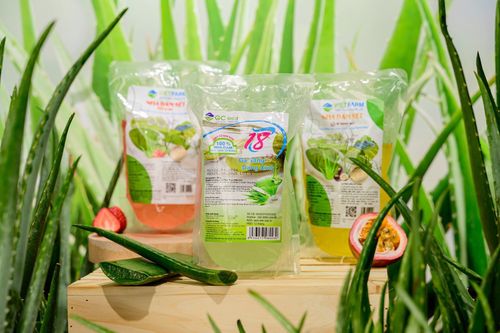
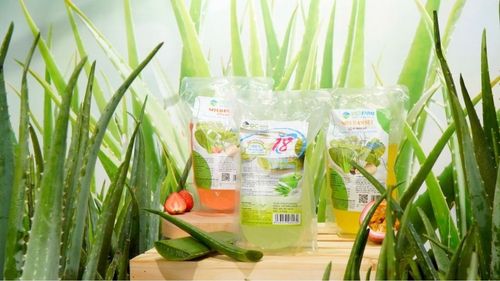
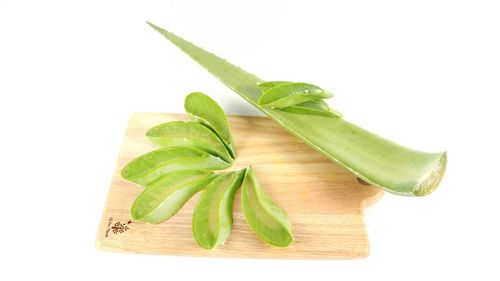
VietFarm Food Joint Stock Company (VietFarm) - the aloe vera manufacturing plant under G.C Food Joint Stock Company (GC Food) - has officially obtained JAS Organic certification for its aloe vera production and processing operations.

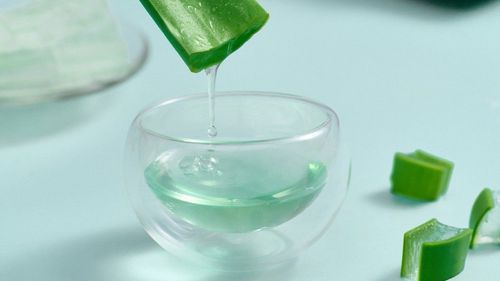
The aloe vera preprocessing and processing procedures at VietFarm fully meet JAS Organic requirements for raw material control, hygiene, product segregation and technical documentation. After harvesting, aloe vera is handled and processed using advanced Aseptic technology, helping preserve its natural properties and high nutritional value.
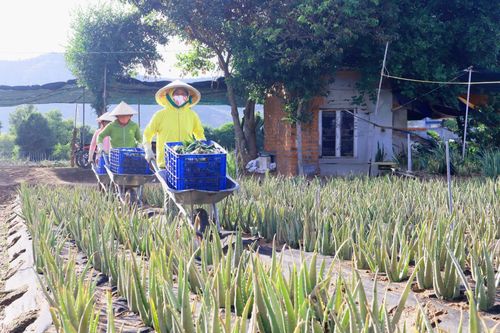
In addition, VietFarm uses aloe vera raw materials invested and developed by GC Food in Ninh Thuan (now part of Khanh Hoa Province). This area features distinctive soil conditions, abundant sunlight and fast-draining soil, allowing aloe vera plants to grow well. At the same time, the aloe vera is free from pesticide residues and heavy metals, and meets traceability requirements before being transferred to VietFarm for processing.
5. Conclusion
In summary, JAS Organic is not only an organic certification but also a strong commitment to product quality, environmental protection, and social responsibility. GC Food’s journey to achieving this certification demonstrates the company’s seriousness and long-term vision in developing a sustainable and responsible food supply chain.
To learn more about GC Food’s high-quality aloe vera products and development orientation, you can visit the GC Food introduction page.
This article was prepared by the GC Food Team - Natural Ingredient Specialists.