
 Ms. Lê Thị Ánh Trinh
Aloe vera gel offers multiple benefits for facial skin, including hydration, soothing effects and support for repairing mildly irritated or sunburned skin. With its high water content and nourishing compounds, it helps keep skin soft and refreshed. However, proper preparation is needed to avoid irritation.
1. What are the benefits of aloe vera gel for facial skin?
Aloe vera (also known as aloe) has long been widely used in skincare thanks to its ability to hydrate, soothe, and support the recovery of irritated skin. The clear gel inside aloe vera leaves contains many natural nutrients that help retain moisture, soften the skin and promote the regeneration of new skin cells.
1.1 Key components in aloe vera for skin care
The skincare effectiveness of aloe vera gel comes from various natural compounds found in its gel, including:
Water: Provides natural hydration, helping maintain smoothness and prevent dryness.
Vitamins A, C, E, and B complex: Offer antioxidant properties that support skin renewal and improve elasticity.
Polysaccharides: Help retain moisture on the skin’s surface, maintaining hydration and soothing irritated areas.
Salicylic acid: Has antibacterial properties and helps cleanse pores, which may reduce mild inflammation.
Amino acids and minerals (zinc, magnesium, calcium, etc.): Nourish the skin and support the repair and regeneration of skin cells.
1.2 Quick summary table of aloe vera gel benefits for facial skin
2. How does aloe vera help hydrate the skin?
One of the most well-known benefits of natural aloe vera for facial skin is its natural moisturizing ability. Aloe vera gel contains a high water content, combined with moisture-retaining compounds like polysaccharides that help maintain hydration on the skin’s surface and reduce dryness.
When applied to the skin, aloe vera gel creates a cooling and soothing sensation while helping to soften the outer layer of the skin. As a result, the skin can retain moisture more effectively, becoming softer and less tight after exposure to dry environments or prolonged air conditioning.

3. Can aloe vera gel help soothe acne-prone skin?
Aloe vera can help soothe acne-prone skin thanks to compounds with natural anti-inflammatory and cooling properties. Aloe vera gel contains salicylic acid, zinc and bioactive enzymes that help calm inflamed areas, reduce redness, swelling and support pore cleansing.
However, it’s important to note that natural aloe vera is not a specialized acne treatment. For severe or persistent acne, you should combine it with appropriate skincare products and consult a dermatologist for more effective treatment options.
4. Can aloe vera help repair sunburned skin?
Aloe vera is commonly used to soothe and support the recovery of mildly sunburned skin. Its gel has natural cooling properties that help relieve the burning sensation and discomfort after prolonged sun exposure.
Aloe vera gel is rich in water, vitamins A, C, and E, as well as antioxidants that provide hydration and help calm irritated skin. As a result, it can reduce dryness, redness, and peeling often associated with sunburn.
5. Can aloe vera help brighten the skin?
Aloe vera may help improve skin brightness thanks to its rich content of vitamins, minerals, and skin-nourishing compounds. The gel contains high water content along with nutrients such as vitamins A, C, E, and amino acids, which help hydrate and make the skin appear softer and more refreshed.
Some studies and dermatological sources also suggest that compounds in natural aloe vera may help improve dull or uneven skin tone. Additionally, it can support skin cell regeneration, making the skin appear brighter and smoother over time.
6. How to use aloe vera for facial skincare
To maximize the benefits of aloe vera for facial skin, proper preparation is essential. You should also use it at the right frequency to minimize the risk of irritation.
6.1 How to prepare fresh aloe vera
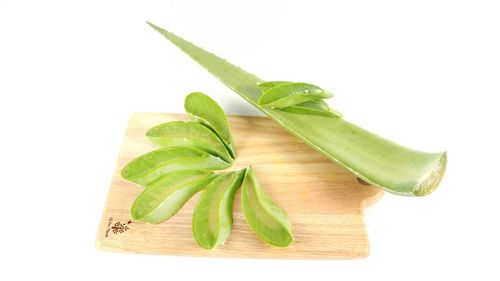
Step 1: Use a sharp knife to cut a fresh aloe vera leaf, wash it thoroughly, and pat it dry.
Step 2: Place the cut side of the leaf facing down in a bowl and let it sit for about 15 minutes to drain the yellow latex.
Step 3: Rinse the leaf again, then peel off the green outer skin.
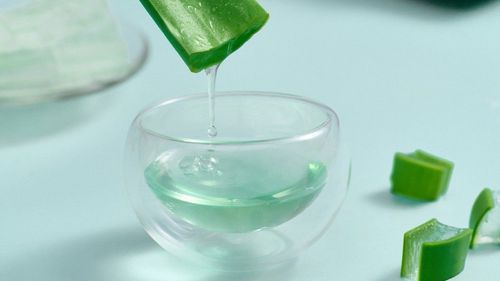
Step 4: Use a spoon or knife to gently extract the clear gel inside the leaf.
Step 5: Rinse the gel thoroughly to remove any remaining yellow latex to avoid skin irritation.
Step 6: Store the aloe vera gel in an airtight container in the refrigerator and use it within 2 weeks for best results.

6.2 How to use aloe vera for skincare
You can apply aloe vera gel evenly to your face, then gently massage for about 10 minutes to help the nutrients absorb better. Finally, rinse your face with clean water to remove any remaining gel. This method helps hydrate, soothe, and support the recovery of dry or mildly irritated skin. Gentle massage during application also helps relax the skin and improve absorption.
6.3 Notes when using aloe vera for skincare
To ensure safe use of aloe vera for skincare, keep the following in mind:
Do not use aloe vera too frequently; it’s best to apply it only 1 - 2 times per week to avoid irritation or increased sensitivity.
When applying aloe vera gel, leave it on the skin for only 10 - 15 minutes. Leaving it too long or overnight may clog pores and cause discomfort.
Always rinse your face with clean water after use to remove any leftover gel and keep the skin clear.
If you experience itching, redness, or tingling, stop using it immediately and wash your skin thoroughly.
Use proper sun protection daily, as your skin may become more sensitive to sunlight.
7. Can aloe vera cause skin irritation?
Although aloe vera is generally considered safe for skincare, it can still irritate in some cases, depending on individual skin type and usage. Some people may experience itching, tingling, or mild rashes after applying aloe vera gel.
In addition, prolonged use or application on sensitive areas may lead to dryness, redness, or breakouts. Avoid applying aloe vera to infected skin, large open wounds, or severe burns, as it may interfere with the healing process.
To minimize the risk of irritation, test a small amount on a small area of skin before applying it more broadly. If any unusual reactions such as itching, burning, or rashes occur, discontinue use and rinse thoroughly.
8. Who should not apply aloe vera gel directly to the face?
While aloe vera offers many skincare benefits, it may not be suitable for everyone. The following individuals should limit or avoid using fresh aloe vera to reduce the risk of irritation:
People with sensitive or allergy-prone skin: May experience itching, redness, or tingling.
People with open wounds or skin infections: Should not apply aloe vera to infected or severely burned areas.
People with a history of aloe vera allergy: Should test on a small area before use.
People with severely irritated skin: Using fresh aloe vera may worsen inflammation or irritation.
9. Frequently asked questions about aloe vera for facial skin
Below are some common questions about using aloe vera for skincare, helping you better understand its benefits and proper usage.
9.1 Is aloe vera gel good for oily skin?
Aloe vera can be suitable for oily skin thanks to its lightweight, water-rich gel texture. When applied, it provides light hydration without a greasy feel, while helping to soothe and soften the skin.

9.2 Can aloe vera treat acne?
Aloe vera is not a specialized acne treatment, but it can help soothe acne-prone areas and reduce mild irritation. Some compounds in aloe vera have anti-inflammatory and calming properties, which may support better skin recovery.
9.3 How many times per week should you use aloe vera?
To keep your skin safe, you should use aloe vera about 2 - 3 times per week. Overuse may make the skin more sensitive or prone to irritation.
9.4 Should you leave aloe vera overnight?
It’s not recommended to leave aloe vera on your skin for too long or overnight, as the gel can form a layer on the surface and potentially clog pores. Ideally, leave it on for about 10 - 15 minutes, then rinse with clean water.
9.5 Can aloe vera gel whiten the skin?
Aloe vera may help improve skin brightness by providing hydration and making the skin look fresher. However, it is not a quick skin-whitening solution; it mainly helps the skin become softer and more even-toned when used properly.
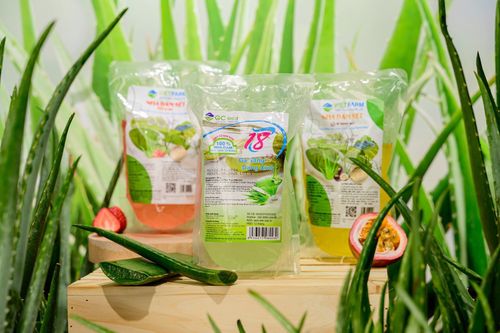
In addition to applying aloe vera directly to benefit from its hydrating and soothing effects on facial skin, you can also nourish your body from within through aloe vera products from GC Food Joint Stock Company (GC Food). GC Food uses aloe vera sourced from Ninh Thuan (now part of Khanh Hoa), known for its thick leaves, low latex content, and rich nutrients.
The production process is strictly controlled from raw material selection to packaging, complying with food safety standards such as FDA, HALAL, and FSSC 22000. As a result, GC Food’s aloe vera products are not only convenient for daily use but also ensure quality, safety, and natural flavor. To learn more about their high-quality products and standardized production process, you can visit introducing GC Food’s official page.
This article is compiled by the GC Food Team - Experts in natural ingredients.