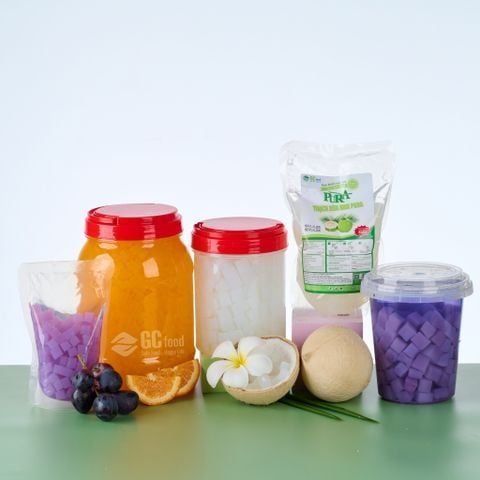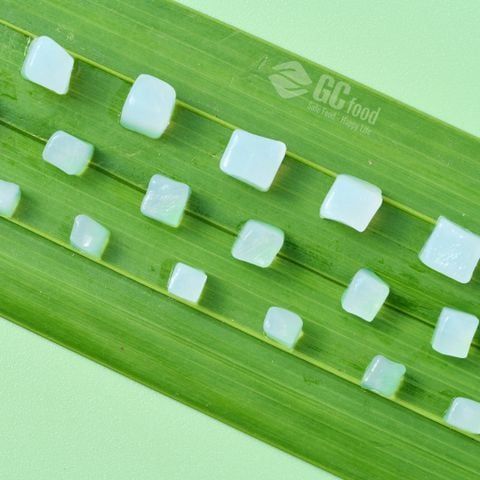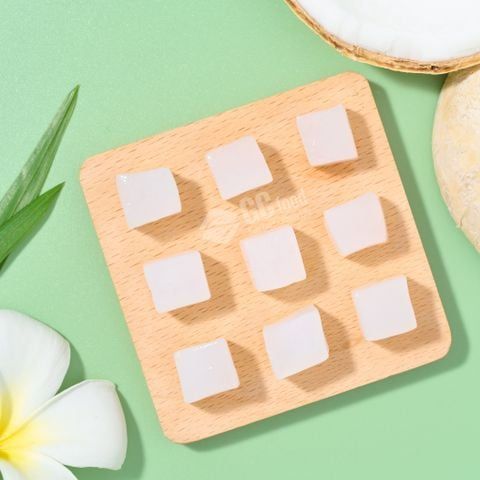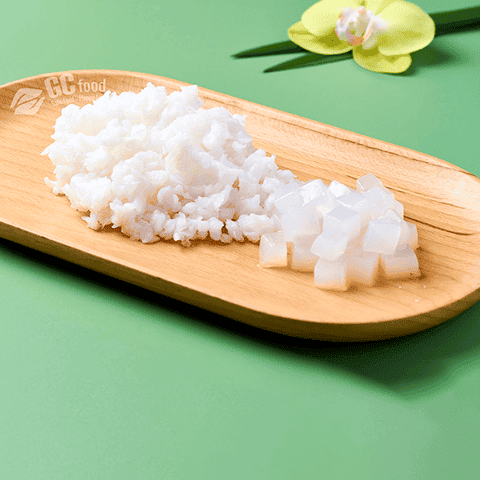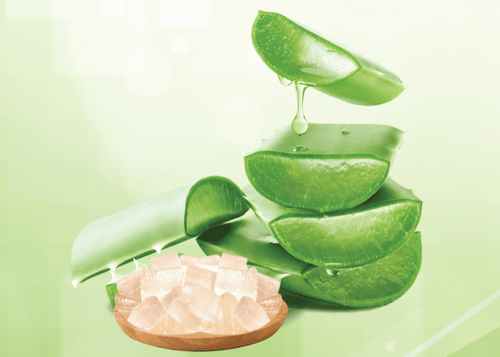

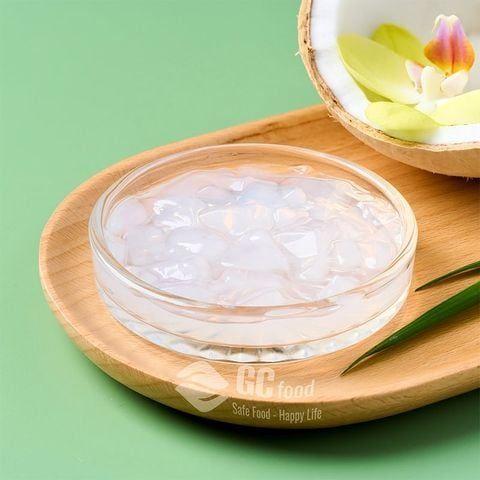
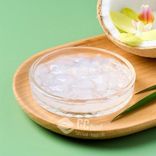

GC Food’s mixed nata de coco (coconut jelly) is famous for its international quality, making it a great option for the F&B industry. Made in a fully closed-loop process, the jelly offers a natural chewy and crisp and fresh coconut flavor. Let’s look at the main benefits of GC Food’s mixed coconut jelly below.
1. Key strengths of GC Food mixed nata de coco
1.1 Certified international quality
GC Food’s mixed coconut jelly is made to meet top global standards, holding respected certificates (FSSC 22000, HALAL, FDA, GLOBAL G.A.P). From growing coconuts to the end product, the production is fully closed so that all batches are always of high quality.
1.2 Modern factory, large-scale production
GC Food runs a modern 11,000 square meter factory with two advanced production lines and about 200 skilled workers. Thanks to its flexible operations, the company meets many needs, from retail production to OEM customization and exports, making sure its nata de coco products are delivered worldwide with the best quality.
1.3 A trusted brand recognized locally and globally
Vinacoco, a brand of GC Food, has been honored with prestige awards (National Quality Award 2022, Vietnam Gold Star Award 2024), showing its ongoing effort to bring GC Food coconut jelly to the world.
2. How GC Food coconut jelly helps the F&B industry
The F&B industry is growing quickly, with more topping choices available. These colorful, high-quality, ready-to-use sweet snacks make drinks look more appealing and taste better.
Seeing this demand, GC Food, through its Vinacoco factory, launched its mixed coconut jelly line. With its high quality and convenience, this product is perfect for drink recipes, adding visual appeal and natural taste.
3. How GC Food makes mixed nata de coco
3.1 Fermentation
After harvesting, fresh coconut water is pasteurized to remove natural microbes, then mixed with the Acetobacter xylinum bacteria to begin fermentation.
By keeping the temperature and pH just right, the bacteria react with the sugar in coconut water, causing a thick smooth jelly to form on the surface.
After 8 to 10 days, the jelly layer is fully formed, then it is rinsed well to remove impurities and any sour taste. Every step is closely monitored to ensure GC Food’s mixed coconut jelly meets top quality standards.
3.2 Shaping
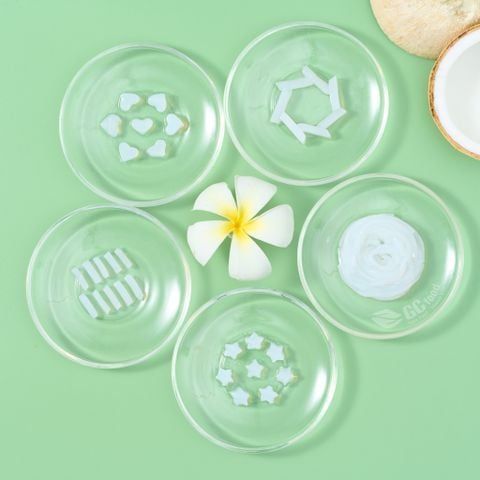
After harvesting, the jelly is soaked in clean water to swell evenly and change to a bright white color. It is then transferred to an automated slicing and cutting system to form various shapes like thin slices, strands or basic cubes.
After cutting, the jelly is washed several times to neutralize its pH and remove any sourness. Next, the jelly is cooked in a high-pressure pot to kill all bacteria while keeping its natural crunch.
3.3 Packaging
After processing, the coconut jelly is packed with syrup in bags, jars, or cans. It is then heated to the right temperature to stay crunchy, taste fresh, and last longer for consumers.

4. Types of GC Food mixed nata de coco
GC Food’s mixed coconut jelly can be blended with various beverage recipes. With two main versions, the product is suitable for a wide range of business models, from cafés to large-scale production facilities.
Unsweetened nata de coco cubes: Neutral-flavored and unsweetened, ideal for creative drinks. The natural flavor complements drinks that are not too sweet, easy to match any recipe.
Syrup-soaked nata de coco cubes: A convenient version with a mild sweetness ready to use straight from the package. This product is especially suitable for Horeca chains, saving time in preparation as well as daily operations.
5. Packaging formats
GC Food understands that different business models have their own needs. Therefore, mixed nata de coco is offered in diverse packaging formats to meet the needs of industrial production, Horeca, and export markets.
Industrial/export solutions: GC Food’s mixed coconut jelly is packed in aseptic bags or 200kg drums, suitable for large-scale production plants. This keeps the product safe while preserving its quality during transport and distribution to international markets.
Horeca / Distribution solutions: The jelly is available in PAPE bags/cartons (200g, 500g, 1kg, 3kg, 5kg, 10kg), cans (850g, 3kg, 18kg), plastic jars (1kg, 2.5kg, 3.8kg). These packaging options are designed for high-frequency use and limited storage space at preparation stations.

6. Storage/Shelf life
GC Food’s mixed nata de coco has a 12-month shelf life when stored at room temperature, giving businesses confidence in warehousing or long-distance transportation while maintaining consistent quality. This will lower storage costs while keeping the jelly’s natural taste.
With standardized sizes and natural taste, GC Food’s mixed coconut jelly makes it easy for F&B partners to try out different drinks. The product is an ideal choice for refreshing menus as well as attracting customers.
GC Food’s R&D skills and adaptability let the company meet strict market requirements while supporting partners with suitable product solutions. For more details on the company’s future development direction, partners are invited to visit GC Food’s official introduction page.
This article is compiled by the GC Food Team – Experts in natural ingredients.