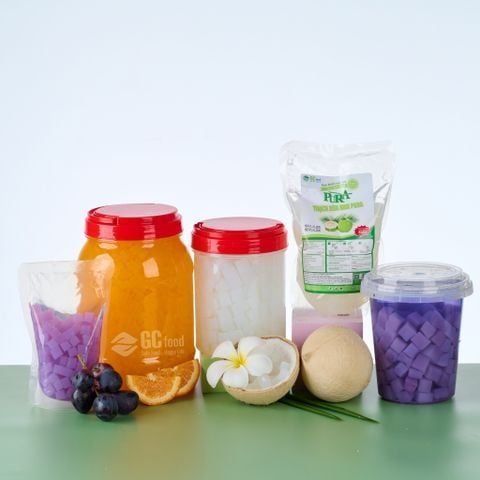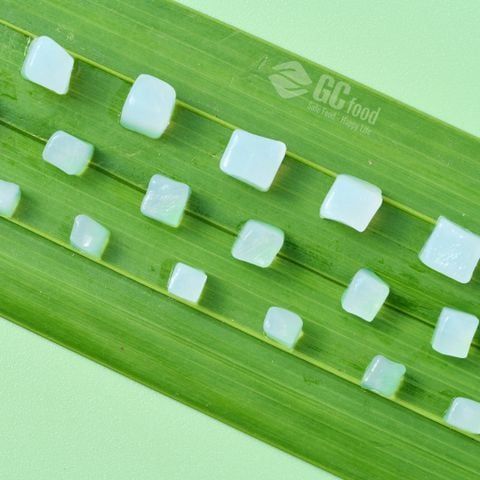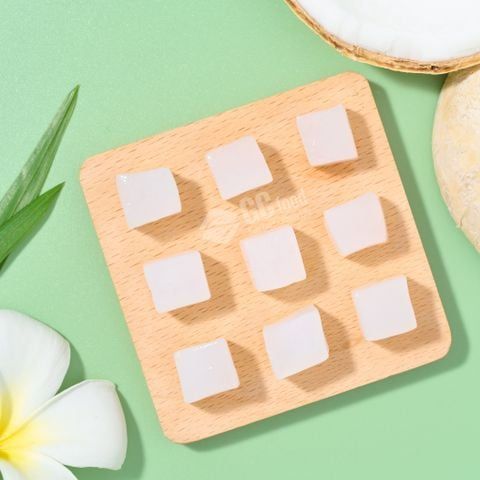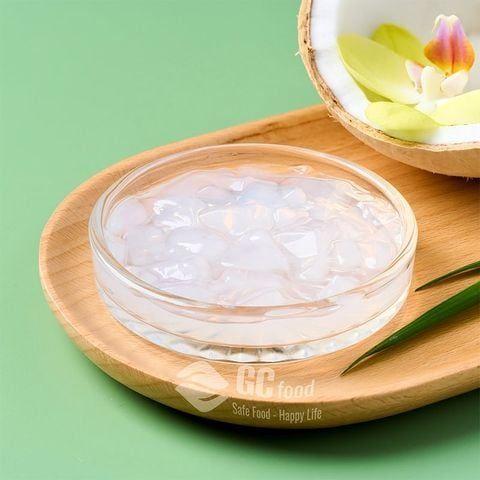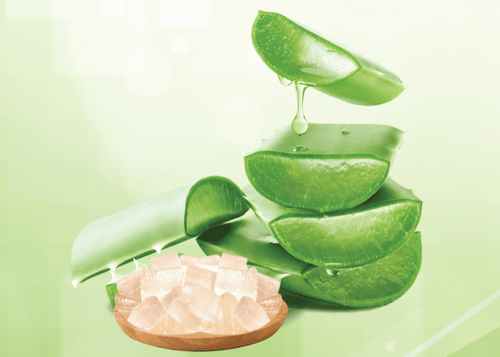

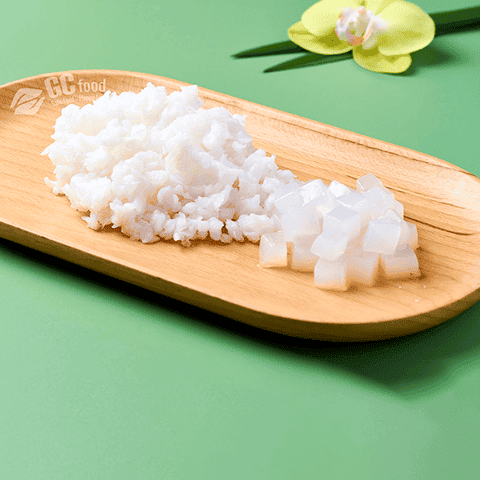
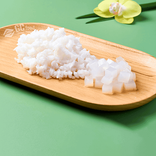

GC Food’s pressed nata de coco is produced through a fully controlled process using modern pressing technology, preserving the natural flavor and signature crunch. Meeting international standards, the coconut jelly is a perfect choice for desserts, milk teas, and refreshing drinks. With the special pressing method, GC Food’s flavorful pressed coconut jelly is always safe and convenient to use. Let’s explore what made this product so amazing right below.
1. GC Food Pressed nata de coco: The ideal solution for the F&B industry
The food and beverage (F&B) industry is growing fast, and as the variety of products grows, popular toppings have become increasingly important. Sometimes, just a few visually appealing cubes can instantly make any dish more attractive.
Recognizing this, Vinacoco JSC - a member of GC Food - developed the line of nata de coco (coconut jelly) products. The coconut jelly is evenly cut at a consistent size. With a Brix level of 0 to 22, high stability in acidic conditions (pH 3.0 to 4.0), and a solid content of 50 to 80%, these cubes are ideal for combining into a wide range of beverage recipes and desserts.
Therefore, GC Food’s pressed nata de coco is an ideal pick for restaurants, eateries, coffee shops and large-scale food businesses.
2. Production process of GC Food pressed coconut jelly
At GC Food, every batch of pressed coconut jelly is produced through a modern, fully controlled process, with strict supervision at all times. This helps the product keep its natural crunch while still meeting high-quality standards and is completely safe for consumers.
The production process includes:
For shaped cubes: Fresh coconut water → Fermentation → Harvest → Soaking & Washing → Cutting into shape → Pressing → Bagging → Boxing
For direct pressing: Fresh coconut water → Fermentation → Harvest → Soaking & Washing → Pressing → Bagging → Boxing

2.1 Fermentation Stage from Fresh Coconut Water
After harvesting, fresh coconut water is pasteurized to remove natural microorganisms, then inoculated with Acetobacter xylinum to begin fermentation.
Under carefully controlled acidity and temperature, the bacteria added to the coconut water will convert the natural sugars into cellulose, forming a thick and smooth jelly layer on the surface of the liquid.
After about 8 to 10 days of fermentation, the jelly is fully formed and then washed thoroughly to remove impurities and any residues.
2.2 Shaping, pH Adjustment, and Sterilization
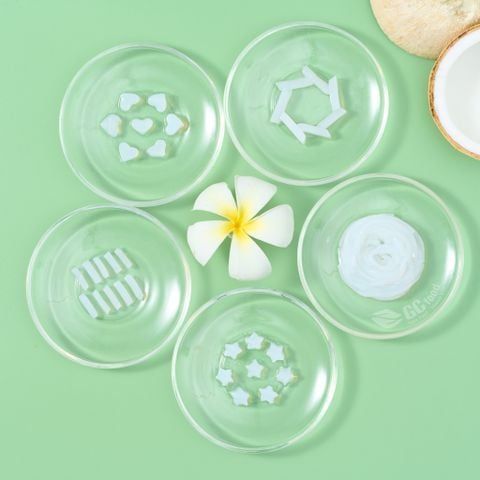
Soaking, peeling, and cutting: The harvested jelly is soaked in water, and waits until it expands and brightens in color, then is passed through an automatic peeling and cutting system to make fun, exciting shapes such as strands, noodles, thin slices or cubes.
to make different shapes like cubes, strands, or thin slices.
pH adjustment: The jelly is washed several times to neutralize its pH, removing all sour taste.
Sterilization cooking: The jelly is cooked in high-pressure boilers at high temperatures to complete the sterilization.
2.3 Pressing and Final Packaging
After processing, the coconut jelly is packed together with syrup in pouches, jars, or cans. The final sterilization step is done at a carefully controlled heating stage to keep its signature crunchy texture, natural flavor, and long-lasting quality in the syrup.
3. Pressed nata de coco products
GC Food’s pressed nata de coco is available in various pressing ratios such as 1:5, 1:6, 1:8, and 1:10. Each ratio produces a different size, so you can easily choose which size you want according to usage needs.
With a stable pH below 4.5, the jelly goes well with lightly sweet or slightly tangy drinks like fruit tea, smoothies, yogurt, or fruit juice. Thanks to its chewy and crunchy texture, pressed nata de coco is also widely used in desserts, elevating the drinks to look better and taste more enjoyable.
4. Packaging Options
GC Food offers a variety of packaging solutions for pressed coconut jelly to meet the needs of small and medium enterprises as well as large-scale factories:
PAPE Bags/Cartons: Available in 10kg or 20kg, ideal for distributors or medium-sized production facilities.
PAPE Bags / PP Sacks: Pre-measured at 20kg or 25kg, designed for durability, convenient for storage and long-distance transport, suitable for large orders or export.

With standardized packaging and strict quality control, the jelly stays fresh and remains safe to eat throughout the supply chain.
5. Storage/Shelf Life
GC Food pressed nata de coco can be stored at room temperature in a dry, well-ventilated room, without any direct sunlight. This helps keep the coconut jelly at its best quality throughout the supply chain.
The product lasts 12 months from the production date, which helps save storage costs and lower inventory risks and is suitable for export businesses, OEM factories, and large distribution networks.
The product maintains high quality while staying naturally crunchy and fresh-tasting, which are key factors that keep desserts and beverages appealing to consumers.
GC Food’s R&D skills and adaptability let the company meet strict market requirements while supporting partners with suitable product solutions. For more details on the company’s future development direction, partners are invited to visit GC Food’s official introduction page.
Article compiled by the GC Food Team – Natural ingredients experts.