
 Ms. Lê Thị Ánh Trinh
Does aloe vera contain collagen? This is a common question among people seeking natural skincare solutions. In fact, aloe vera does not contain collagen, but it can stimulate natural collagen production and support skin health. The article below will help you understand the scientific basis, the real benefits of aloe vera and important considerations when using it.
1. Does aloe vera contain collagen?
Aloe vera is a familiar ingredient in both cuisine and skincare thanks to its rich nutritional profile. However, when it comes to skin-beautifying benefits, many people wonder whether aloe vera contains collagen and whether using this plant can help supplement collagen for the body.
In reality, aloe vera does not contain collagen, as many people mistakenly believe. Instead, it has the ability to stimulate collagen production in the skin. A study published in the Journal of Dermatology in 2020 reported that low-dose aloe vera use increased collagen levels in the dermal layer, while also improving skin hydration and elasticity.
2. Remarkable benefits of aloe vera for the skin
Thanks to its rich content of vitamins, minerals and beneficial bioactive compounds, aloe vera provides positive effects on the skin when used properly. These benefits not only improve the skin’s surface but also help maintain healthy skin structure from within.
Improves elasticity and skin firmness: Aloe vera supplies nutrients and hydration that help stabilize skin structure, making the skin appear firmer and more youthful over time.
Hydrates and maintains the skin barrier: With its high water content, aloe vera effectively moisturizes the skin, supporting the skin’s protective barrier and helping prevent dryness, flaking and moisture loss.
Soothes the skin and reduces irritation: Aloe vera has long been used to calm the skin and support the recovery of mildly irritated areas, making it suitable for sensitive skin that is frequently exposed to environmental stressors such as heat, dust and pollution.

3. Some ways to use aloe vera for skincare
To fully maximize the benefits of aloe vera for the skin, choosing appropriate and safe methods of use is essential. Below are some common applications that are widely used in skincare routines.
3.1 Aloe vera face mask
This is a familiar method due to its direct effect on the skin’s surface, helping to hydrate, soothe and effectively support skin recovery. When using fresh aloe vera, it is important to follow proper preparation steps to minimize the risk of skin irritation:
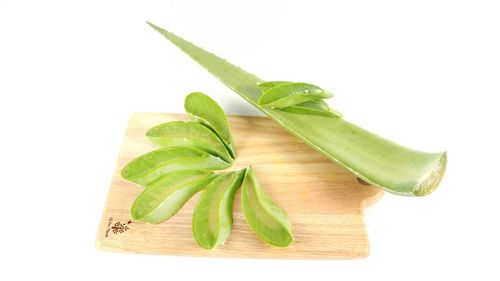
Completely remove the outer green rind.
Soak the gel in diluted salt water to reduce irritating sap.
Rinse thoroughly before applying to the skin. Leave the aloe vera gel on the face for about 15 - 20 minutes, then rinse off with clean water.
3.2 Drinking pure aloe vera juice
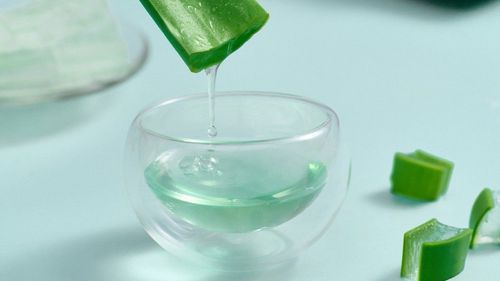
In addition to topical use, many people choose to drink pure aloe vera juice so the body can absorb its nutrients from within. This may help improve skin hydration and elasticity by supporting skin cell regeneration and activity. However, it is important to thoroughly remove the aloe vera latex and consume only a moderate amount to avoid causing digestive discomfort.
3.3 Using processed aloe vera products
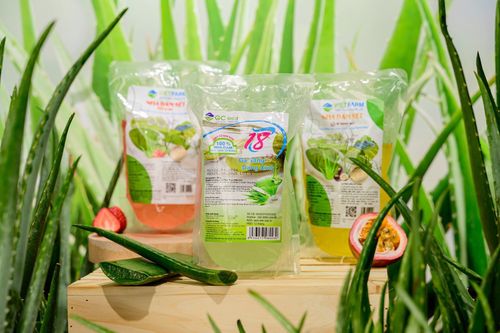
In today’s modern lifestyle, many people choose ready-to-use aloe vera products from G.C Food Joint Stock Company (GC Food) as a convenient and safe solution. With more than 14 years of experience, GC Food has become a reputable supplier of aloe vera and nata de coco in the market, offering products that meet international quality standards.
GC Food’s aloe vera is carefully selected from GlobalGAP - certified organic growing areas and produced on modern, closed production lines to ensure safety and consistent quality. GC Food products can be consumed directly or combined with beverages and desserts, helping diversify usage while maintaining food safety standards.

4. Important precautions when using aloe vera
Although aloe vera is generally considered gentle and offers many benefits, overuse or improper use can still lead to unwanted reactions. Therefore, it is important to keep the following precautions in mind to ensure safety:
Completely remove the green outer rind and irritating latex, using only the cleaned, transparent gel.
Apply a small amount of aloe vera to a sensitive area of skin (such as the wrist) to perform a patch test before using it on larger areas.
Use aloe vera face masks only about 2 - 3 times per week; excessive use may make the skin more sensitive.
People with sensitive digestive systems should consume aloe vera juice in moderation, as excessive intake may cause discomfort.
In conclusion, this article has provided a detailed answer to the question “Does aloe vera contain collagen?” along with the remarkable benefits of this plant. You can use aloe vera leaves as face masks, consume them as a beverage, or incorporate aloe vera products from GC Food to nourish your skin from within. For more related information and to choose products that suit your needs, please visit our about us section.
Article prepared by the GC Food Team - Experts in natural ingredients.