
 Ms. Lê Thị Ánh Trinh
Is drinking natural aloe vera with rock sugar daily good? It depends on how much and how often you consume it. You should limit intake to about 250 - 500ml per day and avoid drinking it continuously for many days to prevent digestive irritation. Pregnant women and those with heart or digestive issues should consult a doctor before use.
1. Is drinking natural aloe vera with rock sugar daily good?
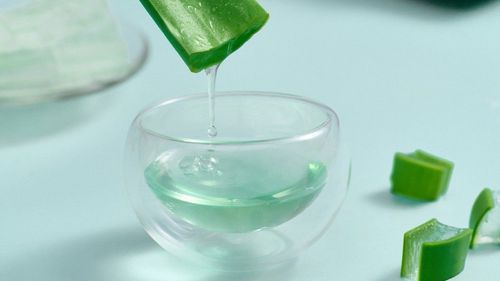
Aloe vera, also known as aloe, contains various vitamins and minerals that can help support a stable digestive system when consumed in moderate amounts. The clear gel of aloe vera contains bioactive compounds such as anthraquinones and amino acids, which can stimulate bowel movements and may help relieve mild constipation.
From a traditional medicine perspective, aloe vera is considered cooling and may help reduce internal heat while soothing related discomfort. However, it is not recommended to drink it daily, as compounds that stimulate the intestines may cause congestion in organs if consumed too frequently. In addition, the yellow latex layer near the rind contains aloin, which can cause abdominal pain or diarrhea if not properly removed.
Quick summary of drinking natural aloe vera with rock sugar:
2. How much natural aloe vera with rock sugar should you drink daily?
Many people believe that natural aloe vera with rock sugar is a cooling drink that can replace water daily; however, this is not entirely correct. You should only consume about 250 - 500ml per day, equivalent to 1 - 2 small glasses, and avoid drinking it continuously for many days.
In addition, nutrition experts often recommend consuming aloe vera drinks only 2 - 3 times per week. This frequency allows the body to absorb its nutrients without putting pressure on the digestive system.

3. When is the best time to drink natural aloe vera with rock sugar?
The timing of drinking natural aloe vera with rock sugar can affect how well your body absorbs its nutrients. To maximize its benefits, you should prioritize these two times:
In the morning: Drinking a glass at this time may help detoxify the body, flush out toxins, and provide fresh energy, helping you start the day feeling alert and refreshed.
About 30 minutes before meals: If you aim to manage your weight, drinking it before meals can help stimulate digestion, improve nutrient absorption, and support natural weight control.
Note: Avoid drinking it on an empty stomach, as the active compounds in aloe vera gel may overstimulate the digestive system and cause stomach discomfort.
4. Who should not drink natural aloe vera with rock sugar daily?
Although natural aloe vera with rock sugar offers various health and beauty benefits, it is not suitable for everyone. The following groups should be cautious and limit regular use to avoid unwanted side effects:
Pregnant women: Natural compounds in aloe vera may stimulate uterine contractions and affect pregnancy health.
People with cardiovascular conditions: Excessive consumption may lower potassium levels in the blood, potentially leading to irregular heart rhythms.
Children under 12 years old: Their digestive systems are still developing, so consuming too much aloe vera may cause stomach pain or diarrhea.
People with weak digestion: Those with sensitive stomachs or frequent diarrhea should limit intake to avoid worsening digestive issues.
5. Possible side effects of drinking too much natural aloe vera with rock sugar
Overusing or consuming natural aloe vera with rock sugar too frequently may negatively affect your health. Below are some potential risks to be aware of:
Dehydration and electrolyte imbalance: Excessive intake may lead to dehydration, changes in urine color, and electrolyte imbalance.
Irregular heartbeat and fatigue: When the body cannot fully process aloe compounds, they may accumulate and reduce potassium levels, leading to irregular heart rhythms and weakness.
Reduced kidney function: Long-term use in high amounts may cause aloe compounds to build up, potentially impairing kidney function.
Diarrhea and intestinal irritation: Aloe vera contains anthraquinones with laxative effects, so overconsumption may cause diarrhea. People with irritable bowel syndrome or sensitive digestion should be especially cautious.
Sudden drop in blood sugar: Aloe latex may help reduce insulin resistance, but excessive use can lower blood sugar levels. For people with diabetes, this may cause symptoms such as rapid heartbeat, sweating, and trembling.
Risk of miscarriage and birth defects: Pregnant or breastfeeding women should be extremely cautious, as aloe vera contains compounds that may stimulate uterine contractions, increasing the risk of miscarriage or birth defects.
6. How to safely drink natural aloe vera with rock sugar
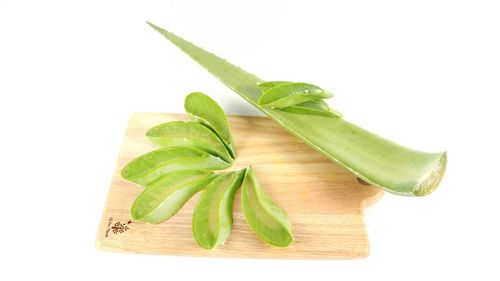
To enjoy the benefits of aloe vera while staying safe, it’s important to pay attention to both preparation and dosage. First, peel off the green outer skin completely to remove the yellow latex that may irritate. Then, cut the aloe flesh into small pieces and rinse several times with diluted salt water to reduce sliminess before cooking it with rock sugar.
After preparation, store the drink in the refrigerator and consume it within 2 - 3 days to reduce the risk of bacterial contamination. In particular, avoid combining aloe vera drinks with laxatives, as this combination may be harmful to the liver and kidneys.

7. FAQs - Common questions about drinking natural aloe vera with rock sugar
7.1 Should you drink it before or after meals?
You should drink natural aloe vera with rock sugar about 30 minutes before meals to help stimulate the digestive system. This can improve nutrient absorption and support weight management.
7.2 How many mL should you drink per serving?
Nutrition experts recommend consuming a moderate amount, around 250 ml per serving. Drinking it after exercise may also help replenish lost fluids and electrolytes.
7.3 Is long-term use harmful?
Long-term use may lead to a buildup of aloe latex in the body, potentially affecting kidney function. Drinking it too frequently may also increase the risk of irregular heart rhythms and electrolyte imbalance.
7.4 Can people with diabetes drink it?
People with diabetes should avoid this drink, as aloe latex may cause a sudden drop in blood sugar levels. This can lead to symptoms such as rapid heartbeat, excessive sweating, and trembling.
7.5 Should pregnant women drink it?
Pregnant and breastfeeding women should avoid it, as aloe vera contains compounds that may stimulate uterine contractions, increasing the risk of miscarriage or birth defects.
Overall, the answer to whether drinking natural aloe vera with rock sugar daily is good is yes - but only when consumed in moderation. This drink provides benefits when used properly and in the right amount, while overuse may negatively affect your health.
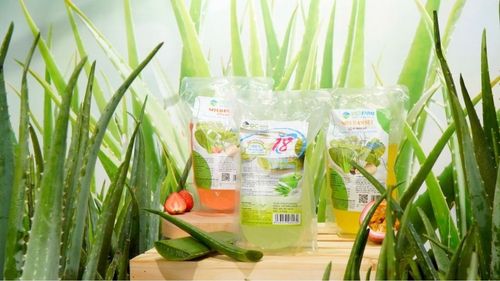
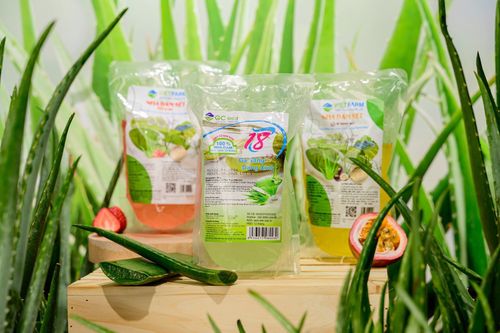
Instead of spending time preparing aloe vera manually, you can choose pre-processed aloe vera products from reputable brands such as GC Food Joint Stock Company (GC Food). This convenient option not only saves time in the kitchen but also helps preserve nutrients thanks to strict quality control from raw materials to finished products. To learn more about the production process and quality commitments, you can visit the introducing GC Food page.
This article is compiled by Le Thi Anh Trinh - Communications Department at GC Food, specializing in sharing in-depth knowledge about aloe vera and nata de coco ingredients and production processes.