
Organic certification is a key requirement for businesses operating in agriculture and food production. These standards help ensure product safety and quality, thereby strengthening market competitiveness. This article explores the concept of organic certification and GC Food’s journey toward achieving it.
1. What is organic certification?
Organic certification is a form of verification that confirms products are cultivated using environmentally friendly fertilizers and contain no residues of chemical pesticides. This standard is designed to ensure cleanliness, safety, as well as environmental sustainability in food and cosmetic products. Each certification scheme has its own specific criteria, allowing for a comprehensive evaluation of product quality.
Some of the most well-recognized, reputable certifications include USDA Organic (United States), EU Organic (Europe), JAS (Japan), and the Soil Association (United Kingdom). In addition, Organic Vietnam is also a trusted standard that helps validate product origin and quality.
2. Benefits of obtaining organic certification
Achieving organic certification offers numerous advantages for both businesses and consumers, including the following:
2.1 Enhanced product quality
Organic certification serves as clear evidence that products are free from harmful chemicals, pesticides, growth stimulants, and other substances that may pose health risks. As a result, product quality is assured, ensuring greater safety for all end consumers.
2.2 Increased competitiveness
As more consumers become health-conscious and choose organic products, items with organic certification are more likely to be preferred. This growing preference helps enhance overall brand competitiveness in the global market.
2.3 Cost optimization
To produce organic products, manufacturers must adopt farming practices that comply with organic standards. This approach helps create a circular economy, thereby optimizing operational and production costs.
2.4 Expanded export opportunities
Products with organic certification gain greater access to demanding international markets. Exporting abroad not only increases economic value but also helps promote domestic products to consumers worldwide.

3. Principles of organic certification
When cultivating or producing organic products, farmers and businesses need to adhere to the following principles.
3.1 The principle of health
This model must meet strict standards regarding fertilizers and farming practices while minimizing negative impacts on soil, water, and air. As a result, people are less exposed to pollution-related risks. At the same time, this approach emphasizes employees' health and safety, contributing to sustainable agricultural development.
3.2 The principle of precaution
Organic agriculture must be carefully managed, as well as strictly controlled to protect consumer’s health and ensure product quality. In addition, this approach helps safeguard the natural environment, maintain ecosystems, and support long-term agricultural development.
3.3 The principle of ecology
Organic farming should be developed in harmony with ecosystems, as well as the natural life cycles of plants and animals. This production model needs to remain balanced with natural ecological systems, contributing to resource conservation and sustainable growth.
3.4 The principle of fairness
Organic agriculture is based on fair relationships among people, as well as between humans and living organisms. All stakeholders involved should benefit equally, including farmers, workers, producers, distributors, as well as consumers, plants, animals, and environmental resources.
4. Organic certifications achieved by GC Food
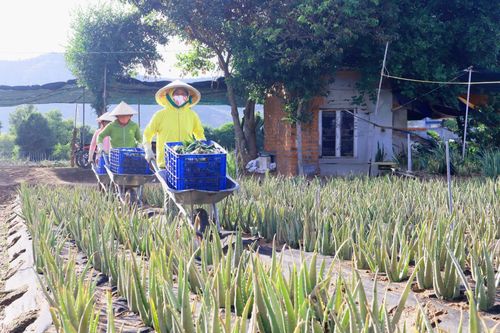
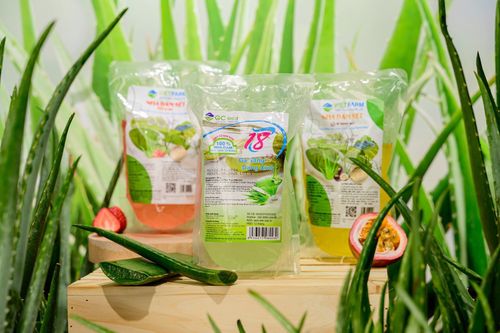
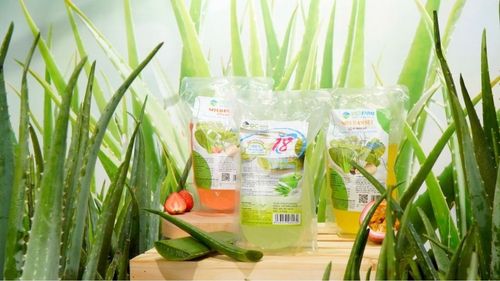
G.C Food Joint Stock Company (GC Food) is a manufacturer of coconut jelly and aloe vera products that has obtained multiple organic certifications, successfully passing stringent inspections to enter many demanding international markets.
VietFarm Food Joint Stock Company, a subsidiary of GC Food Group, is proud to be a pioneering enterprise in achieving three of the world’s leading organic certifications: USDA Organic, EU Organic, and JAS Organic. Upgrading from GlobalGAP to internationally recognized organic standards demonstrates VietFarm’s commitment to sustainable development, expands export opportunities, strengthens the Vietnamese brand, while delivering high quality, great-tasting coconut jelly products to consumers.

Organic certifications enhance the competitiveness of GC Food’s products in the domestic market while enabling them to meet the requirements for export to many demanding countries. At the same time, these certifications serve as a foundation for building brand credibility and gradually achieving the goal of sustainable business development.
For consumers, choosing organic products helps ensure safety and deliver health benefits. As healthy and sustainable lifestyles continue to gain greater attention, GC Food products represent a suitable choice that aligns well with evolving consumer preferences.
With strong growth potential, GC Food has been making continuous efforts to deliver increasingly high-quality products, expand organic farming models, and bring Vietnamese agricultural products to the global market. Visit GC Food’s introduction page to discover more valuable information and select products that best suit your needs.
This article was prepared by the GC Food Team - Natural Ingredient Experts.