
 Ms. Lê Thị Ánh Trinh
What is pasteurization, and why does it matter in food production? At GC Food, pasteur technology is applied to preserve coconut jelly’s flavor, texture, and nutritional value. Learn more about how pasteurization works in this article.
1. What is pasteurization?
It’s a heat-treatment method widely used in the food industry to reduce harmful microorganisms while keeping the product’s sensory quality. In this process, the food is heated to a temperature of around 60 - 90°C for a set time, then quickly cooled to prevent bacterial growth.

2. Common methods of pasteurization
In the food industry, two main groups of pasteurization methods are widely used, each designed to suit different types of products.
2.1 Pasteurization
This method uses steam to heat food to approximately 75 - 100°C for a brief period. It helps eliminate most harmful microorganisms while preserving the food’s natural flavor and texture. However, some heat-resistant bacteria may still survive after the process.
2.2 Sterilization
This method uses hot steam at temperatures between 110 - 130°C to remove more of the remaining microorganisms. While it’s more effective than pasteurization, it can significantly affect the sensory quality of certain heat-sensitive foods.
3. Benefits of using pasteur technology in coconut jelly production
By using Pasteur technology throughout the entire production process, GC Food can deliver clear benefits in both food safety and product quality.
3.1 Ensuring food safety
Pasteurization helps eliminate harmful microorganisms, including E. coli, Salmonella, yeast, and mold. Thanks to a consistent pasteurization process, coconut jelly can be stored longer and is less likely to spoil during storage or transportation.
3.2 Preserving natural flavor
GC Food’s pasteurization method is carefully set at just the right temperature to eliminate microorganisms without affecting the coconut jelly’s natural flavor. In addition, the entire process, from heat treatment and cooling to packaging, is carried out in a closed system, helping prevent outside odors from affecting the product. As a result, the coconut jelly keeps its original, pure taste.

3.3 Keeping the jelly’s natural texture
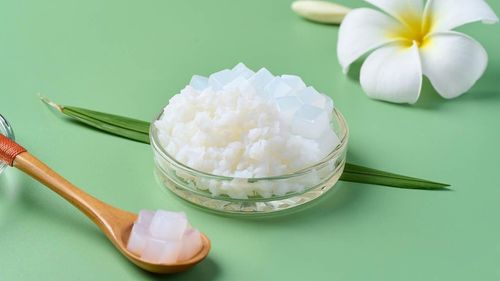
Thanks to precise control of processing parameters, GC Food maintains the natural fiber structure of its coconut jelly, helping it stay chewy, firm, and well-shaped.
By using advanced Pasteur technology in its coconut jelly production, GC Food ensures food safety while preserving the jelly’s natural flavor. This helps the product maintain its chewiness and freshness, meet consumer expectations, and strengthen long-term brand trust.
4. GC Food’s coconut jelly production process
Knowing the importance of pasteurization, GC Food has invested in modern pasteurization technology and applies it throughout their its coconut jelly production to ensure product quality.
4.1 Inoculation and fermentation stage
After harvesting, coconut water is treated and pasteurized to remove harmful microorganisms before the Acetobacter xylinum culture is added.
Under carefully controlled temperature and pH conditions, the bacteria convert sugars in coconut water into cellulose, forming a thick layer of coconut jelly.
After fermenting for about 8 - 10 days, the jelly layer is collected and washed clean, ready for the next processing step.
4.2 Shaping and processing
After the jelly is washed, it’s soaked in clean water to rehydrate fully. Once ready, GC Food shapes the jelly into different forms (cubes, hearts, stars, or strands, depending on the product).
Next, the jelly is soaked again in clean water to balance the pH and remove any remaining impurities, then cooked in a pressure cooker.

4.3. Packaging and Quality Control
The coconut jelly is packed together with syrup, then pasteurized to keep the quality stable and help it last longer.
This step clearly shows the role of heat treatment and explains what pasteurization is and why GC Food uses it to produce coconut jelly.
What is pasteurization? Understanding this information helps consumers recognize safe products and assists businesses in creating food that meets quality standards. At GC Food, applying Pasteur technology is more than a technical step, it’s our commitment to preserving the natural nutritional value of Ben Tre coconut jelly from Vietnam. Visit the GC Food website to learn more about us.
This article is written by the GC Food team - Experts in natural ingredients.