
 Ms. Lê Thị Ánh Trinh
The answer to the question “Is raw nata de coco good for your health?” is yes when it is consumed in moderation at about 50 to 100 grams per serving. It suits people who want more dietary fiber and those who prefer a low-fat topping. However, young children and people who must control their blood sugar should limit this dessert because it may affect their health.
1. Is eating raw nata de coco good for your health?
Raw nata de coco (raw coconut jelly) is a light food that can provide gentle nutrition because the fermentation process creates a certain amount of dietary fiber that supports digestion. Adding coconut jelly to a daily diet can supply dietary fiber plus a small amount of essential minerals such as potassium and calcium, which may help maintain a balanced intestinal microbiota.
In addition, nata de coco has a relatively low- calorie content at about 94 kcal per 100 grams, making it suitable for people who follow a diet plan and those who prefer a healthier eating pattern. However, the nutritional value of raw nata de coco is not as high as foods that are rich in protein or vitamins, so it should not be used as a substitute for a main meal.
Another point to consider is that many products on the market are soaked in sugar water or syrup, so consuming large amounts may increase daily sugar intake. To help answer the question of whether raw coconut jelly is beneficial, the summary table below highlights several key aspects and practical considerations.
2. Health benefits of raw coconut jelly
When it is produced through a proper fermentation process and consumed in reasonable amounts, raw coconut jelly can offer several practical benefits that support overall health.
Digestive support: Raw coconut jelly contains biological cellulose that functions similarly to soluble dietary fiber, and this component can stimulate intestinal movement while helping the digestive system maintain more stable activity.
Appetite control: Nata de coco provides light nutritional value and creates a lasting feeling of fullness, which can help reduce frequent snacking or the consumption of high-energy foods.
A low-fat dessert option: With an almost negligible fat content, coconut jelly serves as a suitable alternative to toppings that contain large amounts of sugar or starch, and it can replace creamy ingredients in many dessert dishes.
Natural mineral supply: Nata de coco retains several essential minerals originally found in coconut water, such as potassium and calcium, which contribute to a more diverse intake of micronutrients for the body.

3. Who should avoid eating raw nata de coco?
Although it is generally considered a relatively safe food, the question of whether raw coconut jelly is beneficial also depends on how it is consumed because this topping still has certain limitations. In particular, this type of topping should not be eaten frequently or in large quantities by several specific groups of people.
3.1 Children under five years old
Because nata de coco usually has a chewy and slippery texture that dissolves slowly, young children may easily choke while eating it. This situation can lead to breathing difficulty or loss of consciousness if immediate assistance is not provided.
Health specialists often note that choking incidents related to jelly products usually result from adult negligence. Therefore, parents should avoid giving coconut jelly or similar jelly foods to children under the age of five.
3.2 People who have a risk of gestational diabetes
Industrial nata de coco products often contain a high level of sugar and various food additives, which may increase blood glucose levels and negatively affect maternal health for pregnant women who are already at risk of gestational diabetes.
3.3 People with allergic tendencies or sensitive digestive systems
Some individuals who are allergic to coconut proteins may experience symptoms such as itching or skin rashes after consuming coconut jelly. Besides, people who often suffer from bloating or diarrhea should avoid eating very cold jelly desserts.
4. How much raw nata de coco should you eat?
Although coconut jelly can support digestive activity and assist the body in eliminating certain toxins, daily consumption should not exceed about 50 grams per day. Eating excessive amounts of it may lead to bloating or indigestion, and it may also reduce the body’s ability to absorb essential minerals and trace nutrients. It is also advisable to avoid eating coconut jelly shortly before going to bed because it may cause abdominal discomfort as well as place additional pressure on the digestive system.
Most nata de coco products currently available on the market are commonly soaked in sugar water or syrup. Therefore, you should limit adding extra sugar when consuming or preparing them at home. This precaution helps prevent excessive intake of empty calories, and it also supports a more balanced dietary habit.

5. Signs of unsafe raw nata de coco
Nata de coco is often considered a refreshing dessert that can support hydration and light nutrition. However, careless selection may lead consumers to purchase low-quality products that fail to meet proper hygiene standards.
Below are four common signs that may help you recognize poor-quality coconut jelly.
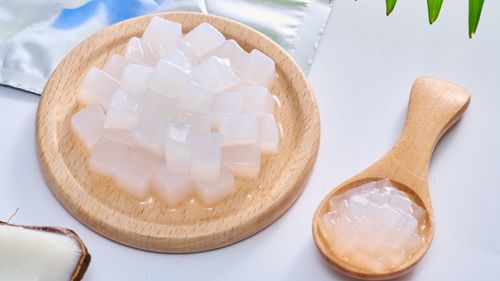
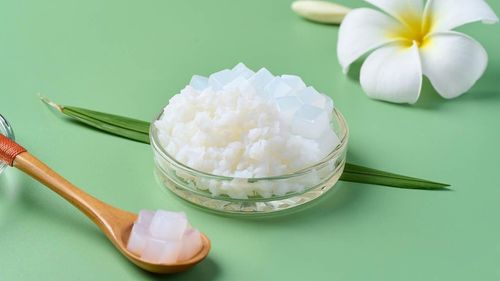
Unusual color: Instead of the natural translucent white or slightly cloudy white appearance, low-quality coconut jelly may show dark brown patches or a dull surface that indicates possible spoilage.
Texture deformation: The coconut jelly pieces may lose their typical chewy as well as crisp texture, and they may become excessively soft or misshapen even when the printed expiration date has not yet passed.
Excessively bright color: You should be cautious when nata de coco displays overly vivid colors because some producers may use artificial colorants to disguise inferior raw materials.
Chemical odor: If the product releases a strong or unusual smell that does not resemble the natural aroma of coconut, it may have been treated with bleaching agents or unsafe food additives.
To protect your health, it is advisable to purchase coconut jelly that has a clearly labeled origin and packaging that is professionally printed by reputable manufacturers. At the same time, consumers should avoid buying unbranded coconut jelly products that are sold without proper labels at unreliable retail locations.
6. Where can you buy high-quality raw nata de coco?
Pressed coconut jelly produced by GC Food Joint Stock Company (GC Food) is manufactured through a closed and automated production process that ensures consistent quality as well as strict hygiene control. GC Food uses mature coconut water for fermentation with the bacterial strain Acetobacter xylinum, which gradually forms a thick cellulose layer that becomes coconut jelly after harvesting. After the fermentation stage is completed, the coconut jelly sheets are processed into various shapes, such as cubes or strands, and decorative forms like stars to suit different food applications.
GC Food nata de coco is treated with advanced Pasteurization technology, which helps eliminate harmful bacteria such as E. coli or Salmonella without using chemical preservatives. For export products, GC Food also applies an Aseptic UHT processing system that extends product shelf life and maintains product safety without the need for artificial preservatives.
Thanks to strong technological control and stable raw material sources, GC Food coconut jelly maintains its fresh flavor and crisp texture while meeting strict international export standards. As a result, consumers can confidently choose these products for consumption, and they do not need to worry about hygiene issues related to low-quality products.

7. FAQs about raw nata de coco
To help you feel more confident when enjoying this refreshing dessert, the following section summarizes essential information about raw coconut jelly that many consumers often want to understand. In addition, several common questions related to the topic “Is raw coconut jelly good for your health?” are explained clearly in the answers below.
7.1 Is raw nata de coco good for digestion?
This dessert contains cellulose that is similar to the fiber found in vegetables, and this component helps stabilize digestive activity while stimulating intestinal movement. However, it should only be consumed in moderate portions because excessive fiber intake may interfere with the body’s ability to absorb certain minerals.
7.2 Does eating raw nata de coco cause weight gain?
In essence, nata de coco is a naturally fermented product that contains relatively few calories, and it is often considered a light dessert ingredient. However, many commercial products are mixed with concentrated sugar syrup, and this added sweetness may contribute to weight gain if consumed frequently. To better control body weight, it is advisable to choose nata de coco produced with modern processing methods that contain less sugar.
7.3 Can people who follow a diet eat coconut jelly?
People who follow a diet plan can still enjoy coconut jelly as a snack if they carefully manage the amount of added ingredients that accompany the product. For more effective weight control, preparing coconut jelly at home is often recommended because this approach allows you to reduce unnecessary sugar or sweet syrup.
7.4 Can children or older adults eat nata de coco?
Children under five years old should avoid eating this dessert because its slippery and chewy structure may cause choking. Older adults should also avoid consuming very cold nata de coco because it may lead to abdominal discomfort or digestive irritation.
7.5 How much raw coconut jelly should be eaten at one time?
The recommended portion is no more than 50 grams per day because excessive consumption may cause bloating or digestive discomfort. You should also avoid eating coconut jelly shortly before bedtime because it may create abdominal chill and negatively affect sleep quality.
Overall, whether raw nata de coco is beneficial depends on its origin, the amount consumed, and the group of consumers who use it. To avoid purchasing low-quality products that may affect both taste and safety, consumers should select products from reputable brands such as GC Food. To learn more about our products and place an order for raw nata de coco, you can visit the Introducing GC Food page for detailed information.
This article was compiled by Le Thi Anh Trinh from the GC Food Communications Department, which focuses on collecting and sharing in-depth knowledge about aloe vera ingredients and coconut jelly production processes.