
 Ms. Lê Thị Ánh Trinh
Learning how to peel aloe vera quickly helps save preparation time while keeping the flesh clear, crisp, and free from bitterness. In this article, GC Food guides you through a fast and easy method for peeling aloe vera leaves at home while also sharing tips on how to properly prepare aloe vera without bitterness for dessert soups, tea, yogurt, and other desserts.
1. The secrets of how to peel aloe vera quickly at home
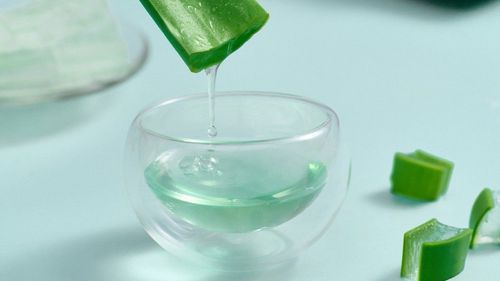
Many of us have stood in the kitchen staring at a giant, prickly aloe leaf and wondered, how to peel aloe vera quickly without making a giant mess? It is a common dilemma because the gel is naturally viscous and the skin can be quite tough. However, with the right tools and a bit of "culinary rhythm," you can transform that leaf into beautiful cubes in just a few minutes. We have tested several methods at our test kitchen, and these three techniques stand out for their efficiency and ease.
1.1 Using a spoon for maximum yield
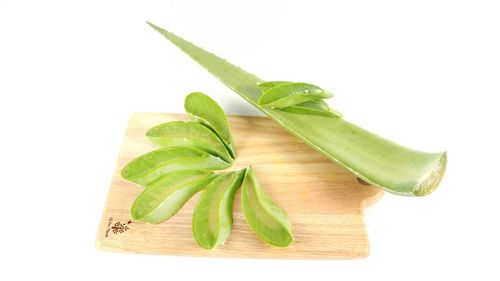
This is perhaps the most beginner-friendly method. After purchasing fresh leaves, you should first wash them under cold running water to remove any dust or debris. Start by cutting off the narrow tip and the thick base of the leaf. Then, use a small knife or a vegetable peeler to trim away the thorny edges on both sides. Once the "armor" is gone, you can slice off the top layer of green skin. Now, here comes the magic part of how to peel aloe vera quickly: take a large spoon, press it firmly against the bottom skin, and glide it smoothly from top to bottom. The spoon acts as a perfect scoop, separating the gel from the skin in one clean motion while leaving almost no waste behind.
1.2 The spatula technique for large leaves
If you are working with larger leaves from our Vietfarm, a spoon might feel a bit small. In this case, a flat cooking spatula, or a "turner" is your best friend. After removing the thorns and the top layer of skin as mentioned before, place the leaf flat on your cutting board. Hold the leaf firmly at one end and push the spatula between the gel and the bottom skin. Because the spatula has a wider surface area, it allows you to peel aloe vera quickly by applying even pressure across the entire width of the leaf. This method is highly favored by professional chefs who need to prepare large quantities for "farm-to-table" salads or drinks.
1.3 The dicing method for perfect cubes
If your end goal is to make aloe vera yogurt or tea, why not try dicing the gel while it is still attached to the skin? After you peel the aloe vera skin from just one side, use a sharp knife to draw a grid pattern (horizontal and vertical lines) directly into the gel. Be careful not to cut through the bottom skin. Once you have created your "emerald cubes," you can simply slide your knife or a flat spatula underneath them to release the pieces. This is often the fastest way to get uniform shapes without the gel sliding all over your workstation. It turns a slippery task into a structured and satisfying process.

2. How to remove bitterness and slime after you peel aloe vera
Getting the gel out is only half the battle. If you have ever tasted home-prepped aloe and found it unpleasantly bitter or "gooey," you likely missed a few crucial steps. The bitterness comes from a yellow sap called aloin, which is found just under the skin. Even when you know how to peel aloe vera quickly, you must still treat the gel with care to ensure a "clean and refreshing" taste.
2.1 Deep inspection of the green skin
The first rule of thumb is to ensure that every single speck of green skin is gone. The skin contains the highest concentration of bitterness. If you see any green remnants after you peel aloe vera, use a small paring knife to carefully scrape them away. At GC Food, we emphasize that "purity is the soul of quality," and this starts with a meticulous eye during the peeling process.
2.2 The lemon and salt soak
Once your aloe cubes are ready, place them in a bowl of filtered water. Add a pinch of sea salt and a generous squeeze of fresh lemon juice. Gently massage the cubes with your hands for about 30 seconds. The acidity of the lemon helps break down the thick slime, while the salt draws out any remaining bitterness. You will see the water become cloudy and thick, which is exactly what we want to happen.
2.3 Multiple rinses for a "squeaky clean" finish
After the salt and lemon soak, rinse the aloe cubes under cold water at least three to four times. You should continue rinsing until the water runs clear and the cubes no longer feel overly slippery to the touch. This step is vital if you want to enjoy the "natural crunch" of the aloe without any distracting aftertaste.
2.4 The blanching and ice bath secret
To achieve that professional "aseptic" quality at home, we recommend a quick blanching process. Bring a pot of water to a rolling boil and drop the aloe cubes in for exactly 2 to 3 minutes. This flash-cooking removes the last traces of bitterness. Immediately after, use a slotted spoon to transfer the cubes into a bowl filled with ice and cold water. This sudden temperature shift "shocks" the aloe, locking in its translucent color and creating a crisp texture that pops in your mouth.
3. Why do many people choose ready-to-use aloe vera products
Even when you know how to peel aloe vera quickly, the process can be labor-intensive and messy. For busy families or businesses, prepping fresh aloe every day isn't always practical. Fresh aloe is also quite delicate and can spoil quickly if not handled with the right "preservation technology." This is why many consumers are turning to high-quality, pre-processed aloe vera that offers both convenience and safety.

3.1 The challenge of consistency
At home, it is hard to maintain the same level of crispness and bitterness removal every time. Sometimes the leaves are too old, or the salt soak wasn't long enough. When you choose a trusted brand, you are guaranteed a product that has been "crafted to perfection" in a controlled environment.
3.2 Time-saving and waste reduction
When you peel aloe vera yourself, you often lose a significant portion of the gel during the scraping process. Factory-scale processing uses precision technology to maximize yield and minimize waste, which is better for the environment and your wallet in the long run.
4. GC Food: the national brand of quality and innovation
At GC Food, we take great pride in being the leading expert in aloe vera and coconut products in Vietnam. Our journey began with a simple mission: to bring the "essence of the sun and wind" from our farms to your table. We don't just produce food; we create a "sustainable lifestyle" through every product we offer.
4.1 Our Vietfarm and global standards
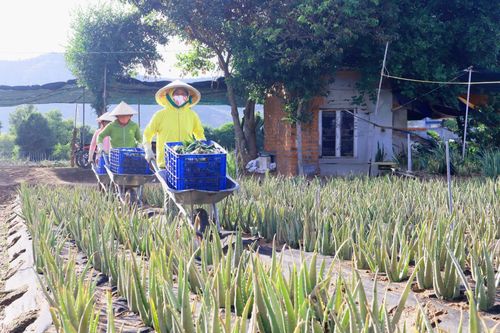
Our raw materials are carefully selected from the farm in Ninh Thuan, which now belongs to the Khanh Hoa region. We cultivate our aloe vera according to Global GAP standards, ensuring that every leaf is free from harmful chemicals. This dedication to excellence is why GC Food was honored as a "national brand 2024," a title that reflects our reputation and the trust of our customers across 27 countries.
4.2 Advanced aseptic and pasteurization technology
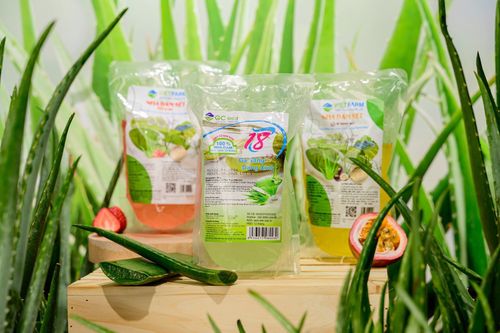
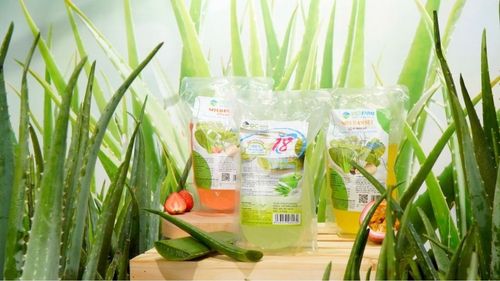
What sets our products apart is the use of aseptic packaging and pasteurization. These technologies allow our aloe vera cubes to stay fresh and crispy for 1 to 2 years at room temperature without the need for harsh preservatives. Our factory is a "beacon of green energy," utilizing solar power to run our operations, which aligns with our commitment to environmental responsibility.
4.3 Introducing Vinacoco and our diverse offerings
Besides aloe vera, we are also pioneers in the coconut industry. The Vietnam Coco Food Joint Stock Company (Vinacoco) is a vital part of our family, producing high-quality coconut jelly (nata de coco) in various creative shapes like stars and hearts. Whether it is raw jelly for industrial use or packaged products for retail, Vinacoco follows the same strict international certifications, including FSSC 22000, HALAL and FDA. We believe that whether it is the jelly-like texture of aloe or the chewy delight of coconut, our customers deserve only the best.
5. Conclusion
Learning how to peel aloe vera quickly is a fantastic way to enjoy this nutritious plant at its freshest. By following our spoon or dicing methods and remembering the ice bath secret, you can elevate your home cooking to a professional level. However, for those days when life gets too busy, GC Food is always here to provide you with the same high-quality, crispy aloe vera in a convenient, ready-to-eat format. We invite you to explore our world of healthy products and join us on a journey toward a more vibrant and sustainable future. For more detailed information, please visit our "about us" section on the official GC Food website.
This article was prepared by Le Thi Anh Trinh from the GC Food communication department, who specializes in sharing deep knowledge about aloe vera and coconut jelly production processes.