
 Mr. Lê Trí Thông
Food processing services are becoming a popular choice for many F&B businesses in a highly competitive market. Instead of investing in manufacturing plants, companies can accelerate the process of bringing new products to market through OEM services. In this article, GC Food will introduce OEM services and explain how to choose a reputable contract manufacturer.
1. What is food processing?
Food processing through OEM is a business model in which a company works with a third-party manufacturer to produce products based on the client’s formulas and brand requirements.
This service provides several advantages for businesses, including:
No need to invest in factories, production lines, or specialized staff
Faster product launches are especially beneficial for startups and new brands
Consistent product quality through standardized manufacturing processes
Scalable production to meet growing market demand
More focus on marketing, sales, and brand development
Food processing is currently a popular trend in many segments, such as beverage ingredients, packaged drinks, toppings, and fruit products.

2. Criteria for selecting a food processing plant
Your outsourcing partners directly impact product quality, brand reputation, and the success of the business, so you need to choose carefully. A reliable outsourcing partner needs to meet the following criteria:
2.1. Production capacity and international certifications
The factory must have all the necessary certifications, such as FSSC 22000, Halal, FDA, Kosher, GACC, and KFDA. These certifications show that the production process meets safety requirements for retail systems and export markets.
2.2. A clean and safe supply chain
Raw materials need to be strictly controlled from the outset. Factories should either source their own growing areas or work with stable suppliers to ensure product consistency and safety, especially for agricultural products like aloe vera, coconut jelly, or fruit.

2.3. R&D team and formula development capabilities
The R&D department is responsible for researching raw materials, creating prototypes, optimizing costs, and adjusting flavors to market demands. A factory with a capable R&D team can help shorten product development and launch time.
2.4. Transparency and commitment to partnership
Food processing partners providing OEM services must provide clear contracts, specific price quotations, and written commitments to production schedules. Beyond manufacturing, the contract manufacturer also needs to demonstrate a commitment to a long-term partnership with the brand.
2.5. Flexible product packaging options
The factory should have a variety of packaging equipment and be ready to assist with label design. The minimum order quantity (MOQ) should be reasonable, for example, 1 ton or more. In addition, the factory needs to ensure a stable supply of goods to businesses during peak seasons.
3. Food processing services (OEM) at GC Food
GC Food provides professional OEM services for food businesses, beverage brands, chain stores, and distributors.
3.1. Why should you use GC Food's OEM service?
You should choose GC Food as your food processing partner because:
3.1.1. Closed production process
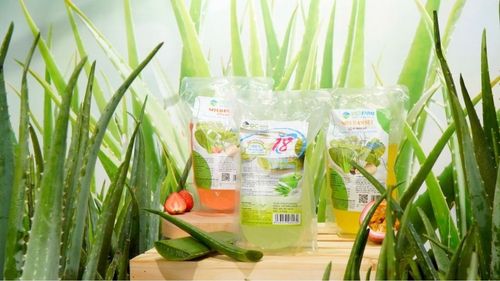
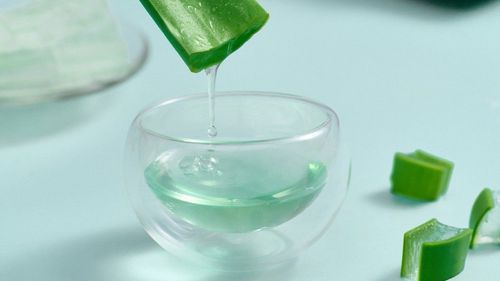
GC Food directly manages the cultivation of aloe vera, coconut jelly, and other natural ingredients. Through its Farm - Factory - Food - Fresh - Fast operating model, we can control the entire process from farm to finished product.
The company operates two factories:
VietFarm - aloe vera processing
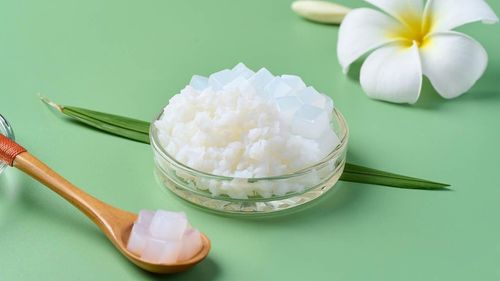
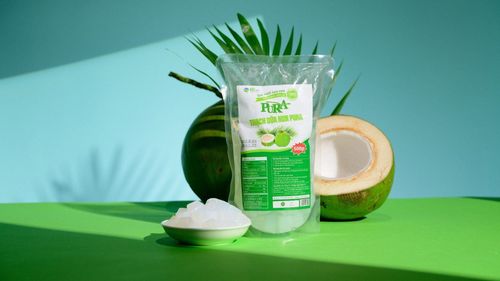
Vinacoco - coconut jelly processing
Both food processing plants implement strict quality control procedures from raw materials to finished products.
3.1.2. The factory meets international standards
Both VietFarm and Vinacoco factories meet international standards and ensure their products are eligible for distribution domestically and for export.
FSSC 22000 for food safety
Halal for Muslim markets
Kosher for Jewish markets
FDA for export to the US
GACC (China) and KFDA (Korea)
With two large-scale factories, GC Food can flexibly meet high-volume orders, even during peak seasons.
3.1.3. Strong R&D capabilities
GC Food's dedicated R&D team not only produces but also develops complete formulas, creates prototypes, optimizes ingredient costs, and adjusts flavors to target markets. As a result, many beverage brands, chain stores, and major distributors have trusted and collaborated with GC Food to develop exclusive products based on high-quality aloe vera and coconut jelly ingredients.
3.1.4. S.A.F.E. Collaborative Thinking
GC Food builds long-term partnerships based on four core principles:
Share: Knowledge and opportunities
Available: Ongoing partner support
Fun: Positive and flexible working culture
Empathy: Understanding partner needs and goals
This approach ensures consistent support throughout product development and optimization.
3.1.5. Flexibility in production and packaging
GC Food meets diverse production requirements:
MOQ from 1 ton.
Standardized packaging system using PA bags.
Ready to invest in additional equipment if the project is large enough.
Thanks to its two large-scale factories, GC Food, a producer of coconut jelly and aloe vera, is able to fulfill large orders and deliver on time to F&B businesses in Vietnam.

3.2. Food Processing Procedures at GC Food
The OEM process at GC Food is standardized through the following 6 steps:
Step 1 - Consultation: The business provides information about the desired product, existing formula, packaging format, budget, and target market. GC Food analyzes this information and advises on a suitable service package.
Step 2 - Formula Development: The R&D team conducts research on ingredients, refines the flavor according to market demands, and sends samples to customers.
Step 3 - Quotation and Contract Signing: Both parties agree on the MOQ, packaging specifications, production quota, and implementation plan based on actual needs.
Step 4 - Production: GC Food proceeds with product processing according to the plan. GC Food controls the input materials and monitors the production process to ensure that the finished product meets FSSC 22000 standards.
Step 5 - Publication: GC Food assists in preparing product declaration documents, testing, and obtaining necessary certifications, such as Halal or FDA.
Step 6 - Delivery: Products are packaged according to quantity and delivered on schedule, and support is provided for continuous improvements throughout the collaboration process.
OEM food processing helps F&B businesses reduce costs, shorten time to market, and focus on brand growth. With modern factories, stable raw material sources, and strong R&D capabilities, GC Food is a reliable OEM partner for brands seeking scalable, high-quality food processing solutions.
This article was compiled by the GC Food Team - Expert in natural ingredients.