
 Ms. Lê Thị Ánh Trinh
Nata de coco in cups is made from fermented mature coconut water, then packed in small cups for direct consumption or beverage topping. The product offers a pleasantly crunchy texture and a light, refreshing taste, which makes it suitable for milk tea shops, dessert stores, restaurants, or consumers who want a quick dessert option.
1. What is nata de coco in cups?
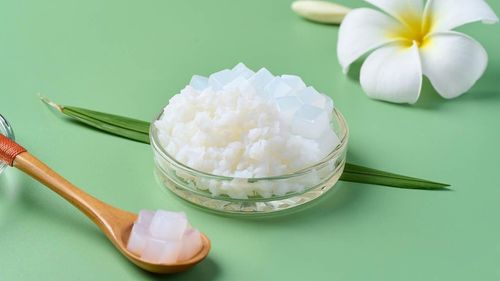
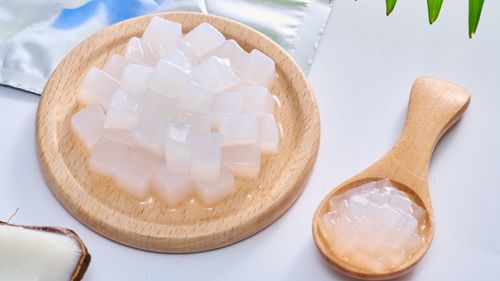
Nata de coco (coconut jelly) in cups is a product created through the fermentation of mature coconut water with the bacterium Acetobacter xylinum, a process that gradually forms a thick translucent layer made of natural cellulose fibers. During fermentation, the bacteria convert sugars and nutrients present in coconut water into a dense jelly-like sheet, which later becomes the raw nata de coco material after harvesting from the fermentation container. The jelly is then cleaned and cut into small cubes, after which it is packed into convenient cups that allow consumers to enjoy the product easily in daily snacks or desserts.
In its natural state, coconut jelly has a slightly sour taste due to the fermentation process, yet manufacturers usually soak the cubes in refined sugar syrup to create a mild sweetness that feels pleasant rather than overwhelming. To enhance sensory appeal, the coconut jelly pieces are often immersed in flavored syrup such as lychee or pandan, which releases a fragrant aroma immediately after the seal of the cup is opened.
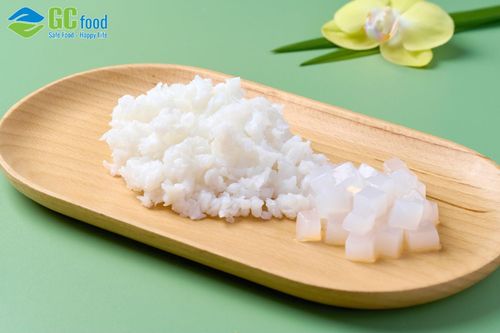
Similar to other jelly products, this version also has a signature chewy and crunchy texture, allowing consumers to feel a gentle resistance. When biting into the nata de coco, which creates a satisfying crisp sound while eating.

2. Who is coconut jelly in cups suitable for?
Thanks to the balanced combination of gentle sweetness, a pleasantly chewy texture, and convenient cup packaging, coconut jelly in cups is suitable for many groups of consumers across different age ranges. The product can be enjoyed by children, students, office workers, and elderly people, while it is also widely used by cafes, milk tea shops, dessert stalls, restaurants, and casual dining outlets.
With a moderate calorie level and a mild sweet flavor, nata de coco is often considered a light dessert after a main meal or a refreshing snack during the day. This treat can help people feel more refreshed during working or studying hours, while its light texture allows consumers to enjoy it without feeling overly full.
Because the product is pre-portioned in convenient cups with consistent quality, the jelly is commonly used by beverage shops as a topping for fruit tea, milk tea, or mixed sweet soup desserts. In addition, restaurants and food outlets often serve jelly as a simple dessert option for guests who want something light after finishing their main course.
3. Applications of nata de coco in cups
Thanks to its signature chewy texture and mild sweetness, coconut jelly in cups can be used in a wide variety of foods or beverages in everyday consumption.
As a convenient snack, the compact cup design makes this product an ideal dessert for families, picnics, or afternoon breaks at the office. Consumers only need to chill the cup in the refrigerator before serving, which quickly creates a refreshing treat that helps relieve fatigue on hot days.
Nata de coco can also be used as a topping for milk tea, fruit tea, fresh juice or blended drinks. The chewy cubes provide a pleasant biting sensation and help enhance the refreshing flavor of the beverage.
In many sweet dishes, coconut jelly is commonly mixed with yogurt, fresh fruit, khuc bach sweet soup, Thai dessert soup or coconut dessert thanks to its firm texture that remains stable even after soaking in liquid.
For some desserts, nata de coco can be combined with fresh fruit or yogurt as well as traditional sweet soups to create richer flavor experiences for diners. Because of this versatility, it is not only a convenient snack but also a widely used ingredient in many beverage recipes or dessert creations.
4. Where can you buy nata de coco in cups?
At present, coconut jelly in cups is widely distributed on the market, which makes it easy for consumers to find this product in many different retail channels. This coconut jelly product is available in supermarkets, food stores, convenience stores and food distribution agents across many regions.
Individual consumers can purchase coconut jelly through reputable retail systems such as supermarkets, convenience stores or clean food shops that operate nationwide. Besides direct shopping at physical stores, customers can also order nata de coco through online sales channels such as electronic commerce platforms, including Shopee, Lazada or TikTok Shop as well as the official website of the brand. It is commonly displayed at supermarkets, convenience stores, grocery shops and food distributors in many local markets.

Instead of purchasing small quantities, business owners such as milk tea shops, cafes or restaurants are encouraged to place bulk orders through distributors or contact manufacturers directly. This purchasing approach allows businesses to receive better wholesale pricing and ensures consistent product quality with safe transportation supported by specialized packaging formats such as 10 kg or 18 kg cartons.
Regardless of whether customers buy retail quantities or wholesale volumes, it is still important to remain cautious about nata de coco products with unclear origins that appear on the market. To protect consumer health and maintain business credibility, buyers should prioritize products from established brands that provide proper food safety certifications such as ISO, FSSC or Halal.
5. GC Food nata de coco in cups - A convenient snack
5.1 General information about GC Food nata de coco in cups
If you are looking for a reliable place to buy clean coconut jelly in cups that meet international standards for consumption, you can consider products developed by GC Food. GC Food operates a closed coconut jelly production process that includes seventeen strict stages, while the manufacturing system uses modern machinery imported from Europe. Through the application of Pasteur pasteurization and UHT Aseptic sterilization technology, each cube of coconut jelly maintains a fresh flavor and a pleasantly chewy texture without the need for harmful chemical preservatives.
Summary table of information about GC Food nata de coco in cups:
In addition to supplying ready-made products, GC Food also provides professional OEM nata de coco services that support F&B businesses in developing customized solutions for their brands.
Businesses can request customized formulas that allow the development of exclusive flavors designed specifically for each brand identity.
Companies also receive support in packaging or label design, which helps strengthen brand positioning in a competitive market.
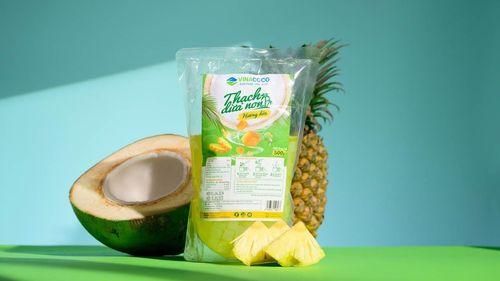
With the production facility of Vinacoco, a subsidiary within the GC Food Group, the supply of coconut jelly materials remains stable throughout the year. This production capacity allows partner businesses to shorten the time required to launch new products and reduce the investment cost needed for manufacturing infrastructure.

5.2 Packaging formats of GC Food nata de coco in cups
For direct enjoyment or household consumption, GC Food offers coconut jelly in cups with several net weight options, including 180g, 200g, 215g and 275g. The compact plastic cup design with a tightly sealed film helps preserve the refreshing flavor of the product and makes it convenient to carry when going to work, attending school or joining outdoor picnics.
In addition, GC Food also provides large carton packaging with weights of 10kg, 12kg and 18kg in order to serve milk tea shop owners, restaurants and dessert stores. This packaging format allows businesses to reduce packaging costs and also makes storage or transportation more efficient when handling large quantities of products.
6. Comparing GC Food nata de coco cups with other jelly products available on the market
6.1 Comparing GC Food nata de coco cups and nata de coco consumer pouches
6.2 Comparison table between nata de coco cups and several other topping types
6.3 When should nata de coco in cups be used?
The product is suitable in situations where people need a convenient snack or dessert that can be enjoyed immediately without additional preparation. With a pre-packed cup design in a compact size, the product is easy to carry when going to school or work and it can also be served during light snack gatherings at home.
In addition, nata de coco in cups is appropriate when clear portion control is needed, which allows quick serving at small events or simple dessert presentation after a meal. Thanks to its crunchy texture and mild sweetness derived from fermented coconut water, the product offers an easy-to-enjoy flavor that suits many different groups of consumers.
7. FAQs - Common questions about coconut jelly in cups
7.1 Can nata de coco in cups be consumed directly?
The product is pre-packed in individual containers, which allows consumers to enjoy the product immediately after opening the lid without any additional preparation. To enhance the flavor and create a more refreshing experience, many people prefer to chill the product in the refrigerator before consumption.
7.2 How long can coconut jelly in cups be stored?
Coconut jelly in cups can be stored for a relatively long period when kept in a dry place at room temperature and protected from direct sunlight. After opening the lid, the product should be consumed within a short time, while refrigeration is recommended to maintain its flavor as well as overall quality.
7.3 Which types of shops are suitable for nata de coco in cups?
This product is suitable for many beverage business models, such as milk tea shops, cafes or dessert stores that serve sweet soups. Thanks to its crunchy texture and mild sweetness, nata de coco in cups can be used as a topping for various drinks or dessert dishes.
To learn more about our company and explore additional coconut jelly products such as diced jelly or fruit-flavored coconut jelly, please visit the information GC Food page.
This article was prepared by the GC Food Team - A group of specialists who focus on natural ingredient development.