
 Ms. Lê Thị Ánh Trinh
Making pandan jelly sweet soup with young coconut and nata de coco is actually much simpler than it sounds. With just a few easy-to-find ingredients plus a bit of free time, you can make a refreshing dessert with soft-crunchy jelly, with the gentle aroma of pandan leaves and a naturally sweet coconut flavor. It’s the perfect treat to cool down on a hot day, so let’s get cooking!
1. Ingredients for pandan jelly sweet soup with young coconut mixed with nata de coco
To make this flavorful pandan jelly sweet soup with young coconut at home, you only need a few familiar ingredients:
400g young coconut meat (choose soft, slightly chewy flesh for a light crunch without being tough)
1 bunch of fresh pandan leaves
Some shredded coconut (for topping)
Agar powder or jelly powder (soft or firm type, depending on your preference)
300g white sugar (adjust to taste)
100g tapioca pearls
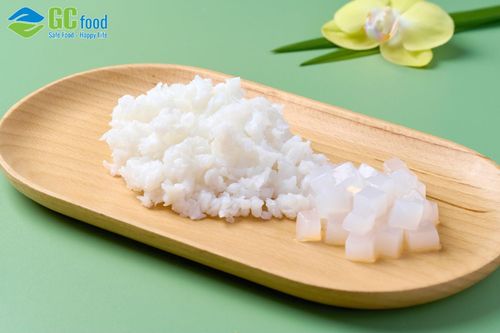
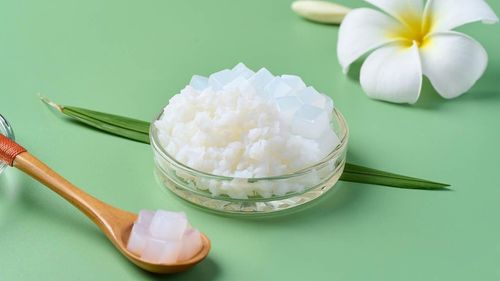
Coconut jelly (nata de coco)

With just a handful of easy-to-find ingredients, you’re ready to get into the kitchen to make some magic. Let’s move on to the cooking steps!
2. How to make pandan jelly, coconut and nata de coco mixed dessert
This dessert is light & tasty, perfect for hot sunny days. The mild richness of coconut milk, the tender bite of young coconut along with the fragrant green pandan jelly, all together make you want to start cooking right away!
Here’s a step-by-step guide to help you easily make this delicious dessert at home:
2.1. Step 1: Make the pandan jelly
First, rinse the pandan leaves, cut them into small pieces, then put them in a blender. Add a bit of water to make blending easier. Once done, strain the mixture through a fine sieve or cloth to get the pandan juice, then discard the pulp.
Next, mix agar powder with about 100 grams of sugar. This step helps prevent clumping when you pour it into hot water.
Boil around 600ml of water in a pot. Once it starts to boil, slowly add the sugar-agar mixture while stirring continuously until fully dissolved. Then pour in the pandan juice, stir gently, then turn off the heat.
Pour the mixture into molds (round or heart-shaped if you like). Let it cool, wait for it to set completely, then cut the jelly into long, thin strips resembling young coconut for a nice look.
2.2. Step 2: Boil the tapioca pearls
Soak 100g of tapioca pearls in water for about 15 minutes until they soften and expand. Then bring a pot of water to a boil, add the soaked pearls, then cook over medium heat until they turn translucent. Once done, remove them from the pot then rinse under cold water to prevent sticking.
2.3. Step 3: Prepare the young coconut
Rinse the young coconut meat, then cut it into thin strips. Remember to choose soft, tender young coconut for a slightly crunchy texture that’s pleasant to eat.
2.4. Step 4: Cook the coconut with pandan jelly
Place some grated coconut into a bowl, add warm water to the coconut, then squeeze to extract fresh coconut milk. If you don’t have time, you can use canned coconut milk instead.
Boil a pot of water, then add the cooked tapioca pearls. Next, stir in 200g of sugar, coconut milk, plus a pinch of salt for a richer taste. Keep stirring gently.
When the mixture begins to simmer, add the coconut strips then continue cooking for about 5 more minutes so everything absorbs the flavor. Don’t overcook, or the coconut will lose its pleasant chewiness.
2.5. Step 5: Finish the dessert
Once done, let the mixture cool slightly. Then add the pandan jelly strips with coconut jelly, stirring gently to mix well. You can enjoy the dessert warm or add some ice cubes for a chilled version. For an even cooler treat, refrigerate it for a while before serving.
Tips:
If you prefer a sweeter taste, adjust the sugar to your liking.
You can add mashed mung beans or tapioca pearls for more variety.
When slicing the pandan jelly, keep the strips thin, even in form for a more appealing look.
3. Useful tips to make your dessert even better
To make your pandan jelly, the young coconut with nata de coco dessert matches your taste perfectly. Here are a few small tips to keep in mind:
Pandan leaves may have different names depending on the region. This type of leaf gives off a distinct aroma and is often used to add natural green color as well as enhance the flavor of sweet dishes.
When choosing a young coconut, look for one that’s moderately tender, not too soft like overripe flesh, nor too hard. The ideal young coconut has a light crunch that makes each bite pleasantly chewy.
You can always adjust the sugar amount based on your preference. If you like your dessert sweeter, just add a bit more; if you prefer a lighter flavor, then reduce it.
For a richer, more aromatic version, sprinkle some crushed roasted peanuts or toasted sesame seeds on top before serving. You can even add nata de coco is fine.
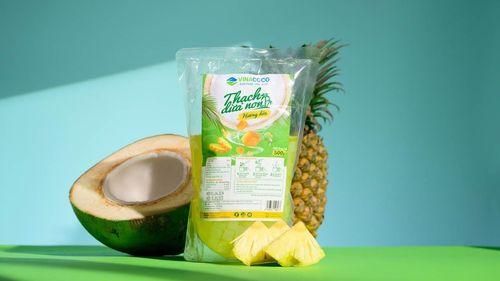
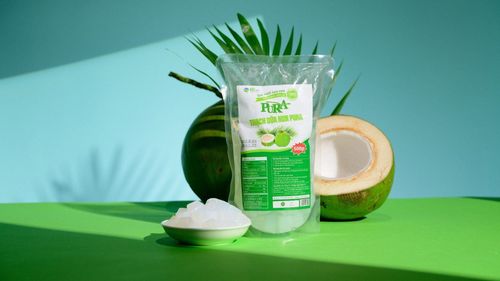
Besides the original flavor, you can also try different types of coconut jelly to make your dessert more flavorful. GC Food’s nata de coco is made from fresh coconut water and comes in various flavors like caramel or pineapple. Using modern Pasteur sterilization technology, the product ensures food safety while preserving its natural sweetness as well as nutrients.
GC Food’s nata de coco is an ideal ingredient for desserts & beverages such as pandan jelly coconut sweet soup or tropical-style drinks. With its versatility for both domestic use and export, this product has become a trusted choice among F&B businesses and international partners.

Now that you know all the essential tips, it’s time to make your pandan jelly with young coconut dessert as beautiful and flavorful as possible. Enjoy this sweet, refreshing treat with your loved ones.