
 Mr. Nguyễn Đình Huy
Nata de coco is made by fermenting coconut water with Acetobacter xylinum, which creates a layer of plant-based cellulose with a naturally crisp and chewy texture. Compared to regular coconut jelly, it is softer and more pleasantly crunchy, making it a popular topping in modern beverages and desserts.
1. What is nata de coco?
Origin: Fermented from coconut water
Texture: Lightly crisp and chewy, translucent white
Flavor: Refreshing with a mild sweetness
Common uses: Topping for milk tea, sweet soups, yogurt, and fruit juices
Storage: Should be refrigerated after opening
Buying tip: Choose products with clear origins and food-safety–certified production processes
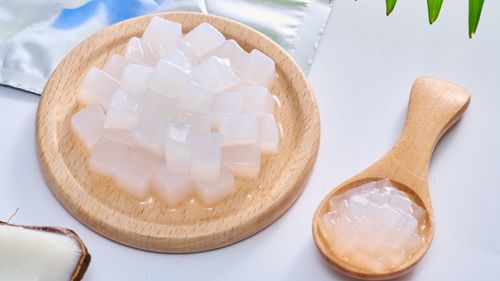
Originating from the Philippines, nata de coco (coconut jelly) is made from coconut water through a natural fermentation process using the bacterium Acetobacter xylinum. After fermentation is complete, the coconut jelly layer is harvested and washed multiple times to remove its natural sour taste. It is then cut into small cubes and may be soaked in syrup before packaging.
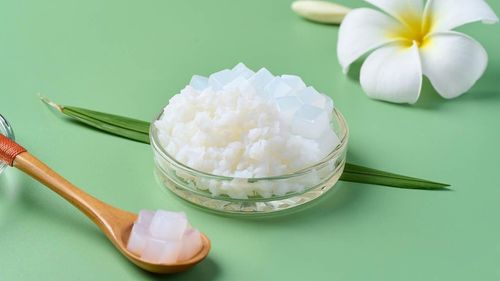
The final product has a translucent white color, a lightly crisp texture, and a mild sweetness with a subtle natural coconut aroma, creating a refreshing taste. Thanks to these qualities, coconut jelly is commonly used as a topping for desserts such as sweet soups, yogurt, milk tea, fruit tea, and fruit juices.

2. What is nata de coco made from?
Nata de coco is produced through the natural fermentation of coconut water, which forms a layer of plant-based cellulose with a crisp and chewy texture. After fermentation, the jelly is processed with several additional ingredients to create a finished product with a refreshing flavor that can be easily used in many foods and beverages.
Main ingredients used to produce nata de coco:
Note: This ingredient list is for reference only and may vary depending on the production formula used by different nata de coco manufacturers.
3. How is nata de coco different from regular coconut jelly?
Basically, nata de coco and regular coconut jelly are quite similar in terms of ingredients and production processes. Both are made from the natural fermentation of mature coconut water using Acetobacter xylinum. During this process, the sugars in coconut water are converted into microbial cellulose, forming the jelly with its characteristic chewy structure.
The main difference lies in the texture and flavor of the final product. Nata de coco usually has a softer structure and a lighter crispness, creating a pleasantly crunchy bite that is easy to eat. Because of this, it is often used as a topping for beverages and desserts.
Regular coconut jelly, on the other hand, typically has a thicker and firmer texture. It is often cut into larger cubes or strips and served with traditional desserts or sweet soups. Thanks to these differences in softness and taste, each type of coconut jelly is suited to different culinary uses.
Quick comparison:
4. How many calories are in coconut jelly? Does it cause weight gain?
On average, 100g of coconut jelly contains about 92 kcal, making it a relatively low-calorie topping compared to many other desserts. Since its main component is plant-based cellulose, the product contains almost no fat, so it is less likely to cause weight gain when consumed in reasonable amounts.
However, the calorie content can increase significantly if the jelly is soaked in sugary syrup or combined with high-sugar dishes such as milk tea or sweet soups. Therefore, it is best to eat coconut jelly in moderation and choose lower-sugar options to better control calorie intake.
5. Applications of nata de coco in global cuisine
5.1 Asian cuisine
In Asian cuisine, coconut jelly is considered a familiar topping thanks to its lightly crisp texture and refreshing flavor that pairs well with many desserts. In Vietnam, people often add this jelly to traditional sweet soups such as che ba mau (three-color dessert), Thai-style sweet soup, or yogurt with pearls to balance the rich sweetness of coconut milk.
At the same time, coconut jelly is also commonly used as a topping for milk tea, fruit tea, and fresh juices to enhance the drinking experience, creating a fun texture where you can both drink and chew.
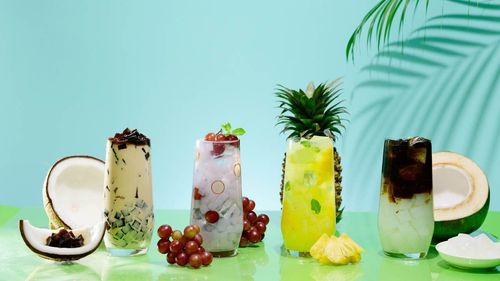
In the Philippines, coconut jelly is an essential ingredient in the famous dessert Halo-halo, while in Indonesia, it is commonly combined with the fruit salad dessert Es buah. Meanwhile, in Thailand and Malaysia, people often enjoy coconut jelly with coconut milk desserts, coconut ice cream, or popular street snacks.
5.2 Other international cuisines
Although it was once considered unhealthy, nata de coco actually contains a high amount of dietary fiber, very few calories, and almost no fat. Thanks to these characteristics, it is increasingly popular in diet-friendly menus, weight-management diets, and natural detox meals.
Beyond the Asian market, coconut jelly is gradually gaining popularity in many other parts of the world, particularly in Europe and the United States. As global interest in unique textures and plant-based ingredients grows, more restaurants and cafés in these regions are beginning to incorporate coconut jelly into their menus. In many cases, chefs and beverage makers combine coconut jelly with fresh fruit salads, smoothies, or juices to enhance both the texture and visual appeal of the dish. Its translucent appearance and pleasant chewiness bite help create a more engaging eating and drinking experience, making it an attractive addition to modern desserts and beverages.
6. How to choose and store nata de coco safely
6.1 How to identify safe and quality nata de coco
To ensure product quality, you should pay attention to several factors related to the product’s origin, packaging, and sensory characteristics when purchasing nata de coco:
Clear origin: Choose products with complete information about the manufacturer, production location, and transparent ingredient lists.
Packaging and expiration date: The product should be tightly sealed, the packaging intact, and the expiration date clearly labeled.
Natural color: High-quality coconut jelly typically has a naturally translucent white color and should not appear cloudy or discolored.
Texture and flavor: The jelly pieces should be uniform, lightly crisp, and free from unusual odors.
Safety certification: It is best to select products produced according to food safety standards or those with quality certifications to ensure strict production control.
6.2 How to store nata de coco properly
In addition to choosing high-quality products, proper storage helps maintain the jelly’s refreshing flavor and chewy texture.
Before opening: Store the product in a cool, dry place and avoid direct sunlight or humid environments.
After opening: Keep the jelly in the refrigerator to maintain its crisp texture and prevent quality deterioration.
7. Nata de coco: a promising ingredient in the F&B industry
Once found mainly in small dessert shops or street snacks, nata de coco has now become a sought-after ingredient in the global F&B industry. Beyond its role as a popular topping, it is increasingly used in beverages, premium confectionery products, and even foods designed for healthy or diet-focused consumers.
Thanks to the abundant supply of fresh coconuts year-round, Ben Tre - often called the “coconut capital” (now part of Vinh Long) - is known as a major hub for coconut jelly production in Vietnam. Among the notable producers is GC Food, a company that focuses on investing in modern processing technology and diversifying coconut-based products. This contributes to increasing the value of coconut farming and expanding opportunities for Vietnamese coconut jelly to reach international markets.
From mature coconuts grown in Ben Tre, GC Food has developed coconut jelly product lines that meet international standards while ensuring safety and nutritional value. The production process is strictly controlled using modern technology, helping preserve the natural, refreshing flavor and the signature crisp, chewy texture of coconut jelly.

Currently, GC Food offers a variety of nata de coco product lines with diverse flavors, suitable for both dessert preparation and beverage mixing:
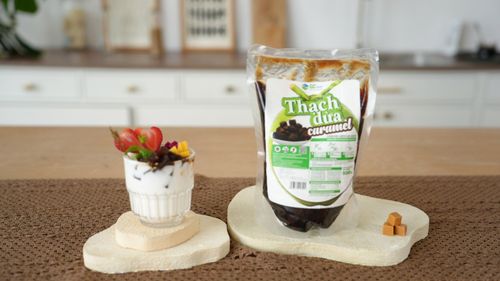
Caramel nata de coco: Rich caramel flavor, ideal for milk tea and modern beverages.
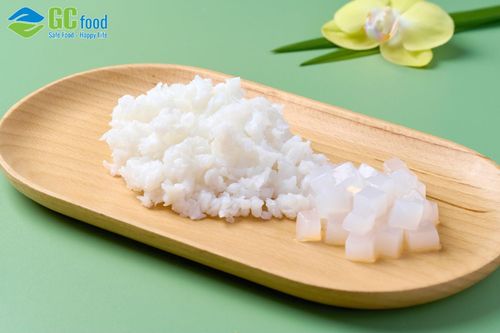
Coconut-flavored nata de coco: Preserves the natural coconut aroma, making it easy to combine with many sweet soups and desserts.
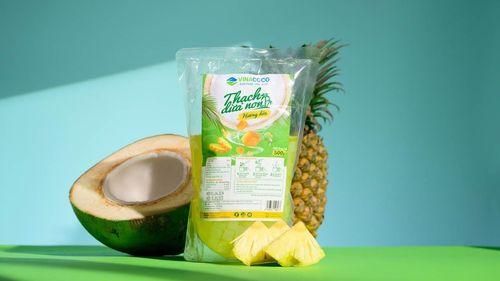
Pineapple-flavored nata de coco: A distinctive tropical pineapple aroma that adds freshness to smoothies, juices, or fruit salads.
Grape-flavored nata de coco: Mild sweetness with a light grape fragrance, creating a unique culinary experience in both food and drinks.
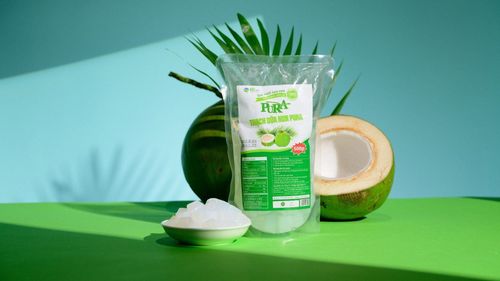
Pura Young nata de coco: A pure product that retains the natural taste of coconut, suitable for eat-clean menus and healthy diets.
To ensure product quality, GC Food applies modern processing technologies such as Pasteurization and Ultra‑High Temperature Processing (UHT Aseptic) during production. These technologies help eliminate harmful microorganisms and extend shelf life while maintaining the signature crisp texture and natural flavor of coconut jelly.
8. Frequently asked questions about young nata de coco
8.1 What is the difference between young nata de coco and nata de coco?
Nata de coco is the international name for coconut jelly produced through the natural fermentation of coconut water, so essentially, they refer to the same product. However, young nata de coco is usually carefully selected to achieve a softer and more pleasantly chewy texture, giving it a more refreshing taste.
8.2 Does eating coconut jelly cause weight gain?
Young coconut jelly contains relatively low calories (about 92 kcal per 100g) and almost no fat, making it a lighter topping compared to many desserts. However, the calorie content can increase if it is soaked in sugary syrup or served with high-sugar foods and drinks, so it should be enjoyed in moderation.
8.3 How long does coconut jelly last?
For sealed packaged products, coconut jelly can typically maintain stable quality for about 12 months from the production date. However, you should always check the expiration date printed on the packaging to ensure the best taste and freshness.
8.4 How should coconut jelly be stored?
After opening the package, store the jelly in an airtight container and keep it in the refrigerator to maintain its crisp and chewy texture while preventing bacterial contamination. Refrigeration also enhances the refreshing taste when served.
8.5 Who should limit consuming coconut jelly?
People who need to control their sugar intake, such as those with diabetes, should limit their consumption of coconut jelly that is soaked in sugary syrup, as it may increase overall sugar consumption. In addition, young children and individuals with sensitive digestive systems should enjoy it in moderate amounts to avoid discomfort such as bloating or indigestion.
In summary, coconut jelly is a unique ingredient produced through the natural fermentation of coconut water. It is well known for its lightly crisp and chewy texture, refreshing taste, and relatively low calorie content, making it a popular addition to many beverages and desserts. Thanks to these qualities, coconut jelly is widely used in modern cuisine as well as in healthy and balanced diets.
If you are looking for high-quality coconut jelly, you can explore the product lines from GC Food on the introducing GC Food page to find options that best suit your culinary or beverage needs.
Article compiled by the GC Food Team - Expert in natural ingredients.