
 Ms. Lê Thị Ánh Trinh
Nata de coco topping is made by fermenting mature coconut water with Acetobacter xylinum. Its natural cellulose structure gives Vietnamese coconut jelly a distinctive chewy and slightly crunchy texture. It is widely used in milk tea, fruit drinks, yogurt, desserts and is favored for its light sweetness and refreshing taste.
1. What is nata de coco topping?
Nata de coco topping is produced through the fermentation of mature coconut water using the bacterium Acetobacter xylinum, which forms a natural, chewy cellulose layer. After fermentation is complete, the jelly is harvested and washed several times to remove any sour smell.
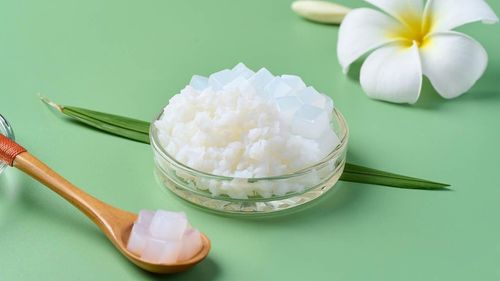
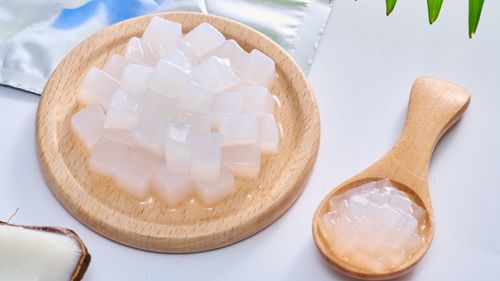
It is then cut into small cubes and soaked in sugar syrup to add a light sweetness before packaging. Thanks to its distinctive chewy and slightly crunchy texture, coconut jelly is commonly used as a topping for beverages and desserts, adding an enjoyable bite to the dish.
2. What is nata de coco topping made from?
Most Vietnamese coconut jelly toppings are made from three basic ingredients: mature coconut water, sugar syrup, and the bacterium Acetobacter xylinum. During production, harvested coconut water is processed and inoculated with Acetobacter xylinum to begin fermentation under controlled temperature and pH conditions.
After about 7 - 10 days, a thick layer of coconut jelly forms on the surface of the fermentation liquid. This layer is harvested and washed several times to remove impurities and fermentation odors. Once cleaned, the Vietnamese coconut jelly is sliced and cut into cubes, strips, or other shapes depending on the intended use. Finally, the product is soaked in sugar syrup before packaging to give it a mild sweetness and help maintain its crunchy texture.
3. Popular types of nata de coco topping
To meet increasingly diverse consumer preferences, Vietnamese coconut jelly topping is now available in many different varieties. These products are typically classified based on shape, flavor, and packaging format, as follows:
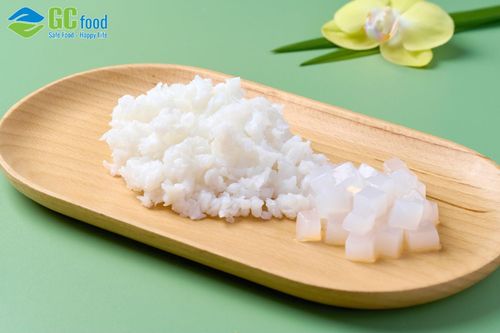
By shape: nata de coco cubes, shredded nata de coco, nata de coco balls, and shaped nata de coco (stars, hearts, etc.).
By flavor: pineapple, orange, grape, coconut, caramel, and more.
By packaging: small bags, large bags, boxes, or bulk cartons designed for beverage shops and F&B businesses.
4. What dishes can Vietnamese coconut jelly topping be used for?
Thanks to its crunchy, chewy texture and naturally light sweetness, Vietnamese coconut jelly is commonly used as a topping for many desserts and beverages. Below are some popular combinations that enhance both flavor and texture.
4.1 Nata de coco topping for milk tea
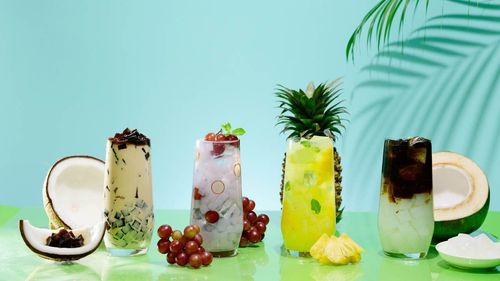
In milk tea shops, coconut jelly is often paired with black pearls or pudding as a topping for drinks. The contrast between the smooth texture of pudding and the chewy crunch of Vietnamese coconut jelly creates an enjoyable drinking experience. In addition, the refreshing taste of coconut jelly helps balance the richness of milk tea and reduce the sweetness from fruit syrups.
4.2 Coconut jelly topping for sweet soups and desserts
For desserts, coconut jelly is not only an additional topping but also enhances the visual appeal of the dish. Its light sweetness and gentle crunch provide a refreshing sensation, especially when combined with desserts such as yogurt, panna cotta, or ice cream.

4.3 Coconut jelly topping for fruit drinks
If you want to refresh familiar beverages such as juices or fruit teas, adding coconut jelly topping can make them more appealing. Its chewy, slightly crunchy texture and light sweetness pair especially well with mildly sour drinks like lemon tea, peach tea, or strawberry tea, helping create a more balanced flavor.
5. Comparing nata de coco topping with other toppings
Each type of topping has its own characteristics in terms of texture, flavor, and application in beverages and desserts. The table below compares Vietnamese coconut jelly with several popular toppings based on sensory qualities and common uses.
6. How to choose high-quality Vietnamese coconut jelly topping
To identify high-quality Vietnamese coconut jelly topping, consumers should evaluate several criteria. A good product should have a clearly crunchy and chewy texture when bitten, a naturally translucent color, and a light sweetness. Most importantly, Vietnamese coconut jelly should not have any unusual odor and must be produced under strict food safety standards to ensure consumer health.
7. FAQs - Frequently asked questions about nata de coco topping
When using or preparing drinks and desserts, many people still have questions about the characteristics of this topping. To help you better understand coconut jelly, here are answers to some frequently asked questions.
7.1 Is nata de coco topping different from regular coconut jelly?
Nata de coco topping and regular coconut jelly are essentially the same food; the difference mainly lies in how they are referred to. In the F&B industry, Vietnamese coconut jelly is typically pre-cut into small cubes and soaked in syrup so it can be used directly as a topping for drinks or desserts without further preparation.
7.2 What dishes taste good with Vietnamese coconut jelly topping?
Vietnamese coconut jelly is considered a highly versatile topping that pairs well with a wide variety of beverages and sweet dishes. Thanks to its refreshing taste and distinctive chewy-crunchy texture, it can easily complement different flavors without overpowering the main ingredients. It is commonly added to milk tea, traditional sweet soups, yogurt, and fruit tea to create a more enjoyable drinking and eating experience.
7.3 Does Vietnamese coconut jelly need to be processed again before use?
No additional preparation is required. Most Vietnamese coconut jelly products on the market are already processed and packaged, so users simply need to open the package and add it directly to beverages or desserts.
7.4 How long can nata de coco topping be stored?
Retail-packaged nata de coco typically has a shelf life of up to 12 months when stored under proper conditions. For the exact shelf life and storage instructions, you should check the information printed on the product packaging.
7.5 Can coconut jelly topping be eaten directly?
Yes, it can be enjoyed directly as a light snack after meals or during an afternoon break. Thanks to its hygienic production process and the sweet syrup it is soaked in, coconut jelly can also be consumed on its own as a simple dessert.
8. GC Food - A reputable nata de coco manufacturer
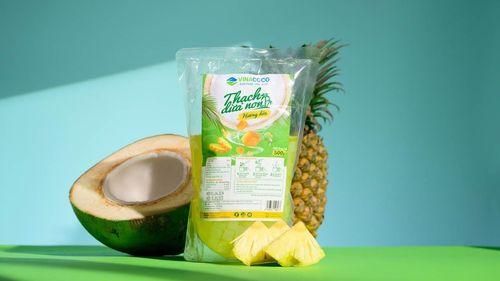
GC Food Joint Stock Company (GC Food) is one of the leading nata de coco manufacturers in Vietnam, operating factory systems that meet international standards. In 2016, GC Food established Coco Vietnam Food Joint Stock Company (VINACOCO) in Dong Nai, with a production capacity of approximately 25,000 tons of nata de coco per year.
At the facility, the entire production process is strictly monitored and utilizes modern Pasteurization technology to eliminate harmful microorganisms. For export products, GC Food also applies Aseptic UHT systems to extend shelf life without the use of preservatives. Thanks to its rigorous quality control, GC Food’s coconut jelly has achieved globally recognized certifications such as FSSC 22000, HALAL, FDA, HACCP, and GACC.

Currently, GC Food produces and distributes a wide range of nata de coco products for the F&B industry. These include diced nata de coco with sizes ranging from 3 - 15 mm, shredded or stick-shaped coconut jelly, shaped coconut jelly such as hearts and stars, and pressed nata de coco (raw nata de coco). All products are packaged flexibly, from 10 kg pasteurized bags to 200 kg aseptic bags, to best support the supply chains of OEM partners and F&B businesses.
With a modern production process that meets international standards and a diverse product portfolio, GC Food has become a trusted supplier of safe, high-quality coconut jelly in Vietnam. Visit the GC Food introduction page now to choose suitable topping products and receive a detailed quotation.
This article was compiled by the GC Food Team - Experts in natural ingredients.