
 Ms. Lê Thị Ánh Trinh
Nata de coco manufacturing companies play an important role in the F&B supply chain. Coconut jelly is a popular topping widely used in bubble tea, sweet soups, juices, and desserts. The product is made through a five-step process: collecting coconut water, fermenting to create cellulose, harvesting and neutralizing acidity, shaping, then pasteurizing and packaging.
1. Raw nata de coco production process today
The current raw nata de coco production process combines traditional fermentation techniques with modern processing technology. Products supplied to both domestic and export markets must go through five key processing stages outlined below.
1.1 Step 1: Collecting coconut water
The production of high-quality coconut jelly begins with a carefully controlled fermentation preparation stage. After harvesting, pure mature coconut water is pasteurized to remove impurities. It is then inoculated with the bacterial culture Acetobacter xylinum, which initiates the fermentation process.
1.2 Step 2: Cellulose fermentation
In a strictly controlled environment of temperature and pH, Acetobacter xylinum converts the natural sugars in coconut water into strong cellulose fibers. After approximately 7 - 10 days of fermentation, a thick jelly-like layer gradually forms on the surface.
1.3 Step 3: Harvesting and de-acidifying raw jelly
Once fermentation is complete and the jelly layer reaches the required thickness, it is harvested. The white jelly sheets are then washed multiple times with clean water to completely remove residual acids and reduce the natural sour smell.
1.4 Step 4: Shaping the jelly
The nata de coco is soaked in clean water until it fully expands and develops its signature chewy and crunchy texture. It is then processed through modern slicing and cutting machines to create different shapes, such as small cubes or strips, depending on market demand.
1.5 Step 5: Pasteurization and packaging
After shaping, the coconut jelly is soaked in clean water once again to balance the pH level and ensure thorough cleaning. It is then cooked in high-pressure kettles to guarantee purity and safety before entering the final stage.
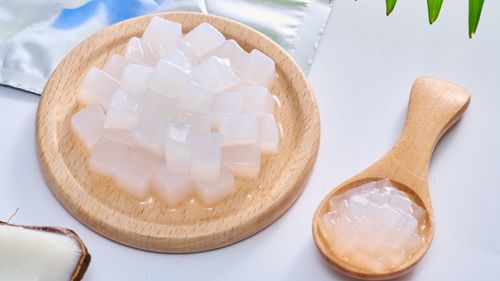
Next, the translucent white coconut jelly pieces are packaged in bags together with lightly sweet sugar syrup. Finally, the packaged products undergo a last pasteurization step under ideal temperature conditions to preserve flavor and extend shelf life. This process is widely applied in raw nata de coco manufacturing to produce standardized ingredients for the beverage industry.
2. Technologies used in modern nata de coco production and processing
Today, nata de coco manufacturing companies in Vietnam combine various methods and technologies, from fermentation to processing and packaging, to ensure consistent quality and product safety.
Traditional fermentation: This method focuses on producing raw nata de coco from mature coconut water and the bacteria Acetobacter xylinum under static fermentation conditions. The coconut water is first pasteurized, then inoculated with the bacterial culture and fermented naturally in an ideal environment.
Pasteurization method: Pasteurization is applied to treat jelly before packaging in order to improve hygiene standards. This process helps eliminate harmful bacteria such as E. coli and Salmonella while preserving the cellulose fiber structure, allowing the jelly to maintain its characteristic chewy and crunchy texture without becoming soft or deformed.
Aseptic UHT system: This technology sterilizes jelly at ultra-high temperatures for a very short time, followed by filling in a completely sterile environment. As a result, the product achieves a longer shelf life while maintaining its nutritional value and fresh flavor.
3. Processing capacity and technology of nata de coco manufacturers
Nata de coco manufacturing companies in Vietnam have gradually shifted from traditional manual production to industrial-scale operations with closed-loop processes. Today, production activities are largely supported by advanced technology, along with modern machinery and processing equipment.
3.1 Raw material management and input processing capacity
Coconut jelly manufacturers are heavily investing in raw material regions in Ben Tre, the coconut capital of Vietnam, while also building large-scale procurement networks to collect mature coconut water from processing plants. This coconut water is gathered and transported to production facilities within a short time to ensure maximum freshness.
Today, most companies use large-capacity storage tanks combined with pressure filtration systems to completely remove coarse impurities such as coconut fibers or small coconut meat fragments. As a result, the coconut water achieves a high level of purity and reduces the risk of contamination during the fermentation process.
3.2 Nata de coco fermentation methods
Below are two common techniques used by domestic coconut jelly processing companies:
Optimizing the fermentation environment: Raw materials are mixed according to standardized ratios to create ideal conditions for the growth of Acetobacter xylinum bacteria.
Continuous parameter control: Advanced technology is used to adjust pH to the appropriate acidic level and maintain a stable temperature. This ensures the cellulose synthesis process reaches optimal efficiency, producing thick nata de coco layers with a firm, chewy, and uniform structure.
3.3 Processing lines and product finishing
A company’s processing capability is also reflected in its ability to transform raw nata de coco into ready-to-use coconut jelly toppings through physical and chemical treatment.
Automated cutting systems: Integrated cutting machines are used to create standardized cube shapes, meeting the demand for high-volume production within a short period.
Advanced cleaning technology: Manufacturers implement modern cleaning systems along with various pasteurization and sterilization technologies to ensure consistent product quality and safety.
4. Standards of nata de coco manufacturing facilities
To expand the presence of Vietnamese coconut jelly products in international markets, manufacturing facilities must comply with local regulations and standardize their production lines according to global quality management systems. Most leading manufacturers today have obtained several of the following certifications:
ISO 22000
HACCP
VSATTP

5. Applications and consumption partners of nata de coco
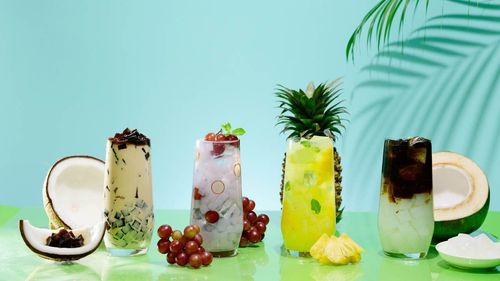
Coconut jelly is a versatile ingredient widely used in many beverages and desserts, such as:
Bubble tea toppings
Fruit juice toppings
Ingredients for sweet soups and desserts
Add-ins for drinkable yogurt
Toppings in the bakery industry
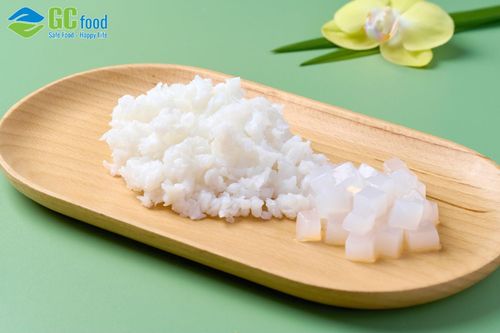
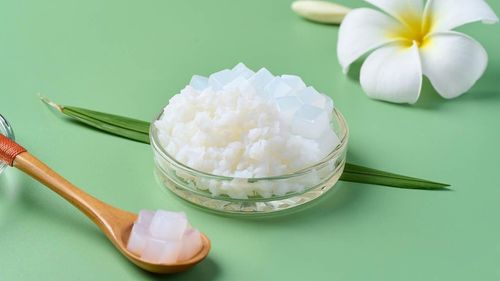
Thanks to its signature crunchy and chewy texture along with a refreshing taste, this jelly provides a satisfying chewing experience. In addition, the translucent white cubes enhance the visual appeal of dishes and drinks while helping balance the richness of ingredients like cream or milk tea.
6. What is the difference between raw nata de coco and finished nata de coco?
Although both are fermented from mature coconut water using Acetobacter xylinum bacteria, raw nata de coco and the finished product differ significantly in terms of purity, flavor, and usability. The transformation from “raw” to “finished” product reflects a manufacturer’s processing capability as well as its food safety standards.
Below is a detailed comparison between two products:
7. GC Food - A trusted nata de coco manufacturer in Ben Tre
With strong investment in technology and a strict quality control system, G.C Food Joint Stock Company (GC Food) has built solid trust with many partners. As a result, the company has become one of the most reputable nata de coco manufacturers in Vietnam.
7.1 Company background
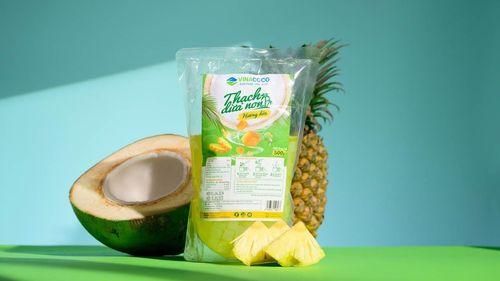
In 2016, GC Food officially established Vinacoco Food Joint Stock Company (VINACOCO) to focus on coconut jelly processing. With three specialized production lines, GC Food is able to meet a wide range of market demands.
Pasteurized nata de coco production line: This line produces various types of pasteurized jelly packed in different bag sizes. The main product format is 10 kg bags designed for industrial customers, along with smaller packaging options suitable for F&B chains and retail businesses.
Aseptic UHT filling system: This system specializes in producing large-volume coconut jelly bags of up to 200 kg. These products are designed for large beverage and food manufacturing corporations, as well as export markets.
Powder production line: The facility also includes a powder production line equipped with precise heating-roasting technology and high-capacity grinding machines. This system converts rice into fine powder while preserving its natural aroma and original nutritional value.
GC Food production capacity overview:
7.2 GC Food nata de coco products
GC Food’s coconut jelly is produced from mature coconut water sourced from Ben Tre, known as Vietnam’s coconut capital. By applying advanced Pasteurization technology, GC Food ensures that its production process maintains high safety standards while preserving the natural flavor and nutrients. GC Food nata de coco features a signature crunchy and chewy texture combined with lightly sweet sugar syrup, delivering a refreshing and enjoyable taste experience.

In addition to supplying raw ingredients, GC Food also provides OEM services for businesses in the food industry. GC Food’s R&D team supports product formula research, develops coconut jelly sizes tailored to specific beverage applications, and advises on packaging design for customers’ private labels. This OEM service allows businesses to bring products to market quickly without investing in their own production facilities.
If you are wondering where to buy nata de coco, you can explore the products manufactured by GC Food. With a modern factory that meets international standards, GC Food is committed to providing a stable supply of coconut jelly for businesses, wholesale buyers, and individual consumers. To request a quotation, product samples, or OEM consultation, please visit the GC Food introduction page or contact our consulting team directly.
This article was prepared by the GC Food Team - Natural ingredient specialists.