
 Ms. Lê Thị Ánh Trinh
Green production is becoming an essential direction for the food processing industry as businesses balance growth with environmental responsibility. This approach helps optimize resources, reduce environmental impact and build a foundation for long-term sustainable development. In Vietnam, GC Food is among the early adopters of green manufacturing across its value chain.
1. Green production trends in the food industry
Amid climate change and the increasing depletion of natural resources, the food production industry is facing growing pressure. Traditional production models, which consume large amounts of energy and generate significant waste, are revealing their limitations, prompting businesses to shift toward more sustainable solutions.
Green production in the food industry refers to manufacturing practices that aim to minimize negative environmental impacts throughout the entire product life cycle - from raw materials and processing to packaging and distribution.
The core focus of this model lies in optimizing resource use and reducing CO₂ emissions. When combined with circular economy principles, green production not only lays the foundation for sustainable development but also meets the increasingly stringent requirements of consumers and the international community.
Numerous studies indicate that consumers are willing to prioritize products from companies committed to sustainable development. At the same time, major markets such as the EU, the United States and Japan require imported food products to comply with specific environmental certifications.
As a result, green manufacturing is no longer a voluntary option but has become a strategic direction for many businesses. By adopting this approach, companies can enhance their competitiveness, expand into new markets and achieve stable long-term growth.
2. GC Food - A pioneer in green production in Vietnam
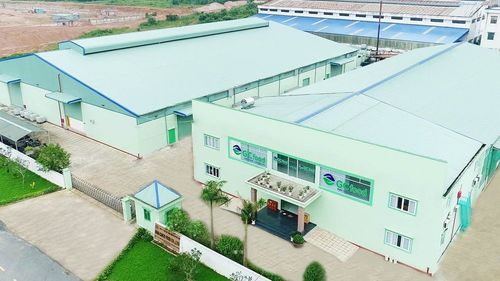
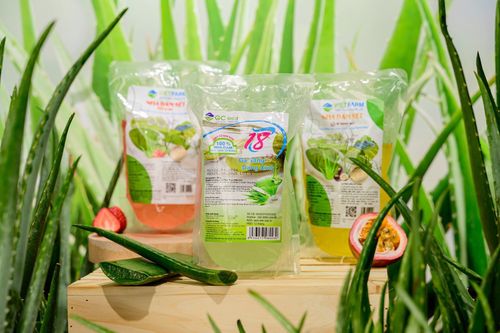
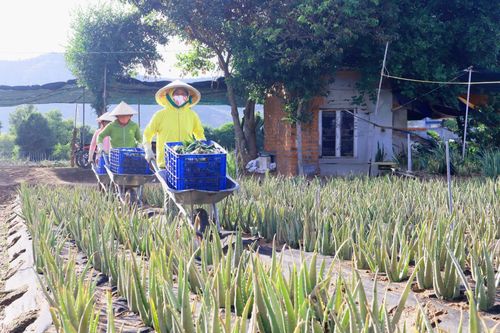
G.C Food Joint Stock Company (GC Food) is a pioneering enterprise in the production of nata de coco and aloe vera in Vietnam. With the vision of “Creating a happy world by providing a happy food supply chain,” GC Food has proactively implemented a green production model since its early days of establishment.

Implementing a green production model delivers practical value to various stakeholders within GC Food’s supply chain, including:
For society: This production model helps reduce negative environmental impacts such as soil, water and air pollution, contributes to lower greenhouse gas emissions and supports ecosystem protection.
For customers: It provides products that are safer for health, offer consistent quality and ensure transparent traceability, giving consumers greater confidence in their use.
3. Green production combined with a circular economy model at GC Food
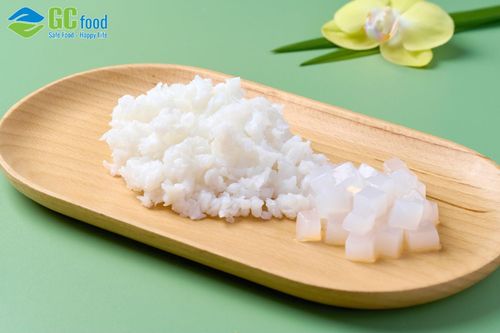
Alongside green manufacturing, G.C Food Joint Stock Company (GC Food) also applies a circular economy model in its actual production processes. In the past, mature coconut water was considered a by-product of the coconut processing industry, but GC Food has utilized it to create refreshing, fiber-rich nata de coco products.

Thanks to the application of this model, GC Food has reduced resource waste and increased the economic value of agricultural by-products. In particular, the implementation of a closed-loop, automated nata de coco production process helps minimize waste generation, aligning with the brand’s green production and sustainable development goals.
In addition, GC Food has invested in advanced Pasteurization technology. This technology eliminates bacteria, extends shelf life without the use of chemicals, while preserving the natural texture and flavor of nata de coco.
Although the transition to green manufacturing presents challenges in terms of cost, technology and human resources, it remains an inevitable direction. As natural resources become increasingly scarce and consumer awareness of environmental protection continues to rise, only businesses that integrate economic growth with social responsibility can achieve long-term sustainable development.
By applying a circular economy model and utilizing agricultural by-products, GC Food is gradually establishing itself as a leading green production enterprise in Vietnam. This journey not only creates economic value but also contributes to environmental protection and delivers a “happy food supply chain” to the community. To learn more about the values we bring, please visit the introducing GC Food page.
This article was prepared by the GC Food Team - Experts in natural ingredients.