
 Ms. Lê Thị Ánh Trinh
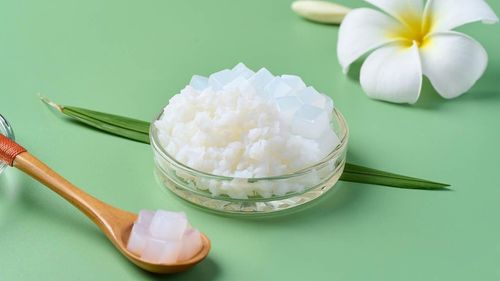
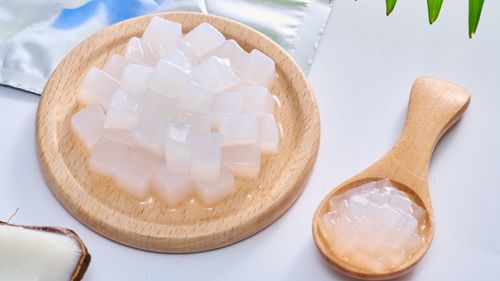
How many calories are in nata de coco is a common question for people who care about their diet or want to manage their weight. On average, 100g of coconut jelly contains about 92 calories, but this number can vary depending on the amount of sugar added during processing. It also provides a small amount of fiber and minerals that support daily nutrition.
1. How many calories are in nata de coco? Nutritional value of nata de coco
1.1 How many calories are in nata de coco?
If you are on a diet or simply paying attention to your daily calorie intake, you may have wondered: “How many calories are in nata de coco?” or “Will eating nata de coco make you gain weight?”. According to several research sources, one 100g serving of nata de coco contains only about 92 calories.
This is relatively low compared to many other popular snacks on the market, such as tapioca pearls or agar jelly. As a result, coconut jelly has gradually become an ideal choice for people looking for a refreshing snack that is still low in calories.
1.2 Nutritional value of nata de coco
In addition to being low in calories, coconut jelly also contains a small amount of fiber that can help support the digestive system. Fiber plays an important role in maintaining healthy digestion by promoting smoother bowel movements and supporting overall gut function. Because of this, coconut jelly may help soothe the digestive system and make you feel more comfortable, especially after eating oily, heavy, or difficult-to-digest foods.
Moreover, this dessert contains very little fat and no cholesterol, which makes it a lighter option compared to many other sweet snacks. Thanks to these characteristics, coconut jelly can be considered a heart-friendly choice and may fit well into a balanced diet. When consumed in moderation, it can be a refreshing treat for people who are trying to maintain a healthy lifestyle while still enjoying a sweet dessert.

2. Does eating nata de coco cause weight gain?
Besides the question “How many calories are in nata de coco?”, many people also wonder: “Will eating nata de coco make you gain weight?”. In fact, if you choose the right type and consume it in moderation, coconut jelly is unlikely to cause weight gain. A small serving usually provides a relatively low number of calories compared to the body’s daily energy needs. This dessert is also low in fat and contains no cholesterol, making it a suitable option for a light snack.
However, it is important to note that not all coconut jelly products on the market are equally healthy. In reality, many canned or packaged coconut jelly products with a very sweet taste often contain a high amount of added sugar. Consuming them frequently or in large quantities may not only make weight control more difficult but could also negatively affect your health in the long term.
3. Is coconut jelly healthy? Health benefits
3.1 Supports the digestive system
From a nutritional perspective, coconut jelly mainly provides carbohydrates and a small amount of cellulose fiber. According to recommendations from the World Health Organization (WHO), fiber plays an important role in supporting digestive function and maintaining gut health. Therefore, consuming coconut jelly in reasonable amounts can help increase the fiber intake in your daily diet.
In addition, coconut jelly may help support digestion, making people who often feel bloated after meals feel more comfortable. However, many ready-to-eat coconut jelly products on the market are often sweetened with added sugar to enhance flavor. For this reason, you should pay attention to controlling your sugar intake and follow the WHO recommendation of keeping added sugar below 10% of total daily energy intake.
3.2 Helps regulate cholesterol levels
Besides supporting digestion, the fiber found in coconut jelly may also provide benefits for cardiovascular health. When consumed, fiber can bind to low-density lipoprotein (LDL), commonly known as bad cholesterol, in the digestive tract and limit its absorption into the bloodstream. Thanks to this mechanism, eating nata de coco in moderation may help support better cholesterol control and protect heart health.
3.3 Helps cool the body and relieve thirst
On hot days, eating coconut jelly can help cool the body, replenish fluids, and reduce feelings of fatigue. This refreshing dessert is mainly composed of water and carbohydrates while containing almost no fat, making it a light and easy-to-enjoy option. Because of its high water content, coconut jelly can contribute to maintaining the body’s hydration levels, especially during warm weather when the body tends to lose more fluids.
When served chilled in desserts or beverages, coconut jelly provides a pleasant cooling sensation that helps relieve thirst and makes the body feel more comfortable. Thanks to its light texture and refreshing taste, it is often enjoyed as a simple way to stay refreshed and hydrated on hot days.

4. Comparison of calories between nata de coco and some popular toppings
Besides the question “How many calories are in coconut jelly?”, many people are also curious about the calorie content of other toppings. Below is a comparison table showing the calories of some popular toppings commonly found on the market today.
5. Important notes when eating nata de coco
5.1 Limit high-sugar nata de coco
Some ready-made nata de coco products contain high amounts of refined sugar or syrup, which may affect metabolism and the body’s ability to burn excess fat. Therefore, if you want to control your weight or improve your health, it is better to choose coconut jelly products that are low in sugar or contain no added sugar.
5.2 Do not eat too much at once
Although coconut jelly is relatively low in calories, consuming large amounts over a long period can still lead to increased calorie intake, especially if you have a sedentary lifestyle. To better control your daily energy intake, you should limit your consumption to about 100g of coconut jelly per day and divide it into small snack portions to avoid excess calories.

5.3 Do not use it as a replacement for main meals
Coconut jelly does not provide all the essential nutrients, such as protein, fats, vitamins, and minerals needed to replace a main meal. Therefore, it should not be used as a substitute for regular meals. Instead, consider it a dessert or a light snack after a main meal to enhance flavor while reducing the risk of nutrient deficiency.
5.4 Combine with a healthy lifestyle
Eating coconut jelly is only a small part of a daily diet and cannot help with weight loss on its own if other factors are missing. To manage weight effectively, you should combine a balanced diet with appropriate physical activity. In addition, getting enough sleep, staying physically active, and maintaining a healthy lifestyle all play an important role in weight management and long-term health.
6. FAQs - Some common questions about nata de coco
6.1 Can people who want to lose weight eat coconut jelly?
Because coconut jelly is low in calories, high in fiber, and contains no fat, people who are dieting or trying to lose weight can still include it in their diet. However, it should be consumed in moderation and combined with a varied diet to maintain overall health and balanced nutrition.
6.2 Should people with diabetes eat nata de coco?
According to doctors’ recommendations, people with diabetes should choose foods with a low or medium glycemic index (GI) (below 70), low carbohydrate content, and moderate calories. Therefore, people with diabetes can still consume sugar-free or low-sugar nata de coco in reasonable amounts, but it is best to consult a doctor to ensure it is suitable for their health condition.
6.3 Will eating coconut jelly at night cause weight gain?
Coconut jelly is low in calories, almost fat-free, and provides a certain amount of fiber that can help create a feeling of fullness without significantly increasing calorie intake. Therefore, it can be enjoyed as a healthy evening snack, especially when combined with yogurt or fresh fruit to add light nutrition at night.
6.4 Does canned nata de coco contain more calories?
Canned nata de coco is often soaked in sugar water or syrup to enhance sweetness, so its sugar and calorie content may be higher than raw nata de coco. If you are concerned about calorie intake or prefer a healthier option, choosing low-sugar coconut jelly can help you better control your sugar consumption.
6.5 How much coconut jelly should you eat per day?
Although coconut jelly offers certain health benefits, it should still be consumed in moderation - about 100g per day. Controlling portion size helps limit sugar and calorie intake while supporting a balanced diet according to nutritional recommendations.
We hope this article has helped answer questions such as “How many calories are in nata de coco?” and “Is nata de coco healthy?”. The most important things are choosing quality products, controlling portion sizes, and maintaining a healthy lifestyle. When consumed properly, coconut jelly can be a refreshing and nutritious snack.
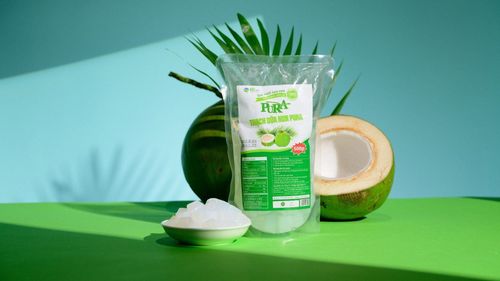
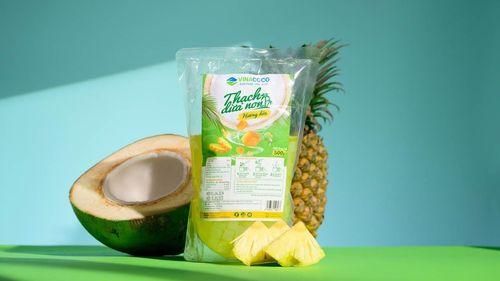
You can explore coconut jelly products from GC Food, which are made from mature coconuts from Ben Tre. These products not only ensure food safety standards but also preserve the natural sweetness and nutritional value.
By applying Pasteurization technology combined with a modern Aseptic UHT system, each cube of nata de coco maintains its perfect chewy texture and natural flavor. Visit the GC Food website to learn more about the company and explore suitable coconut jelly products.
This article was compiled by Lê Thị Ánh Trinh from the Communications Department of GC Food, specializing in researching and sharing in-depth knowledge about aloe vera and nata de coco ingredients and production processes.