
 Ms. Lê Thị Ánh Trinh
Pregnant women can eat nata de coco if the product is hygienic, low in sugar and the mother has no history of gestational diabetes. It should be eaten in moderation at about 100 - 200g per serving and up to two to three times per week. Mothers should also avoid very cold nata de coco when the stomach is weak or during a cough to prevent digestive or respiratory discomfort.
1. Can pregnant women eat nata de coco?
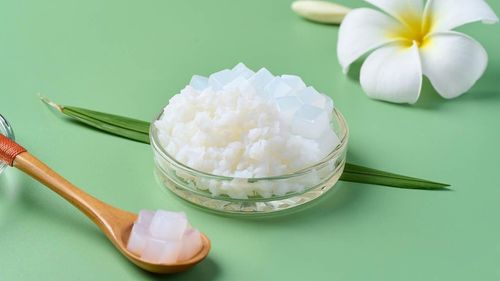
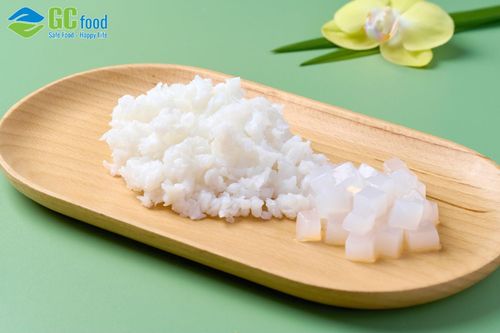
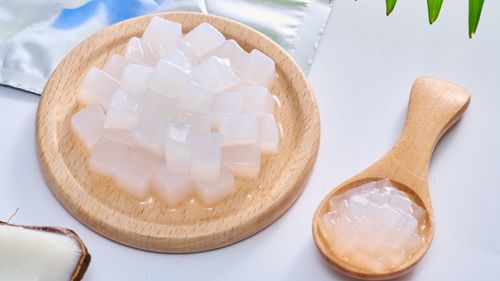
Regarding the question of whether pregnant women can eat nata de coco (coconut jelly), nutrition experts confirm that this dessert can be included in a refreshing diet during pregnancy. However, mothers should choose nata de coco that meets food safety standards and control their sugar intake.
Coconut jelly is produced through the fermentation of coconut water with beneficial microorganisms, providing several practical benefits for mothers during the early months of pregnancy. Coconut water is also rich in essential minerals such as calcium, magnesium and potassium, which help support stable blood pressure while maintaining electrolyte balance.
Thanks to its pleasantly chewy texture and light, refreshing taste, coconut jelly may help ease morning sickness while reducing nausea or feelings of body heat. In addition, the calorie level in coconut jelly is relatively low, so pregnant women do not need to worry about rapid weight gain if it is consumed in reasonable amounts.

2. How much coconut jelly is safe for pregnant women?
Nutrition experts recommend that pregnant women consume coconut jelly in moderate amounts to avoid putting pressure on the digestive system. Eating too much may lead to bloating or indigestion, especially for mothers who have a sensitive stomach.
In addition, mothers should prioritize coconut jelly products with low sugar content or prepare them at home and avoid options that contain large amounts of artificial sweeteners to reduce the risk of gestational diabetes.
Guidelines for safe coconut jelly consumption during different stages of pregnancy:
3. When should pregnant women avoid eating coconut jelly?
Topping coconut jelly can easily become contaminated if it is left at room temperature for too long and this may lead to serious digestive disorders for pregnant women. For this reason, mothers should only consume fresh coconut jelly products with clear origins and ensure that they are stored properly.
Pregnant women who have a history of coconut-related allergies or are being monitored for gestational diabetes should avoid eating coconut jelly. Mothers may also consult a medical specialist before consuming this dessert to ensure a safe and healthy pregnancy.
4. Can eating nata de coco cause stomach discomfort during pregnancy?
Pregnant women may experience stomach discomfort if coconut jelly is consumed improperly or beyond the recommended amount because this dessert is considered a cooling food. According to traditional medicine views, mothers with a weak body condition or those experiencing bloating may develop mild abdominal pain or slight diarrhea after eating cooling foods.
In addition, many pregnant women have the habit of eating nata de coco directly from the refrigerator or consuming it with ice to feel refreshed. Extremely cold temperatures can cause sudden contraction of blood vessels in the abdominal area and this may irritate the stomach while affecting the already sensitive digestive system during pregnancy.

5. Notes when choosing nata de coco for pregnant women
To avoid concerns about whether pregnant women can eat coconut jelly, mothers should understand several basic principles for proper consumption. By following these guidelines, they can still enjoy the refreshing benefits of coconut jelly while supporting mineral intake during pregnancy.
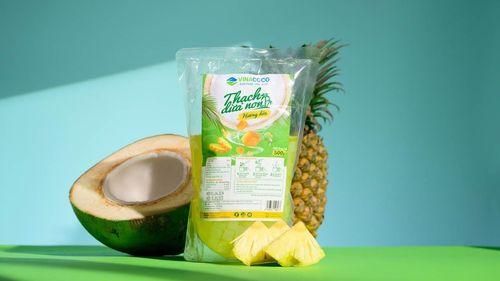
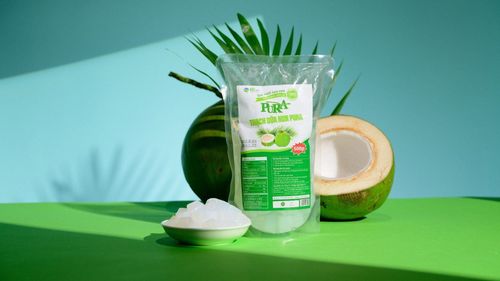
Prioritize products with a clear origin: Mothers should only choose nata de coco that has proper packaging with a clear expiry date from reputable brands. Unlabeled products or handmade packaging without hygiene control should be avoided because they may carry a risk of bacterial contamination.
Control sugar content: Pregnant women should select low sugar or sugar-free coconut jelly to reduce the risk of gestational diabetes and maintain stable blood sugar levels during pregnancy.
Check food additives carefully: Products that contain industrial coloring agents or artificial flavorings should be avoided because these substances may not be suitable for fetal development during early pregnancy.
Prepare nata de coco at home: Mothers may use fresh coconut water with agar powder and rock sugar to make it at home. This method allows better control of sweetness while ensuring food hygiene.
Pay attention to serving temperature: Coconut jelly should not be eaten when it is extremely cold or directly taken from the freezer. Very cold foods may irritate the stomach and trigger mild uterine contractions during pregnancy.
Choose the right time to eat: Mothers should avoid eating nata de coco on an empty stomach or immediately before sleep to prevent bloating or indigestion. It can be combined with yogurt or fresh fruit to provide additional vitamins and dietary fiber.
Note: Mothers who have a history of coconut protein allergy or are experiencing blood sugar-related concerns should consult a medical specialist before adding coconut jelly to their daily diet.
6. FAQs - Common questions about pregnant women eating nata de coco
6.1 Can women eat coconut jelly during the first trimester?
Pregnant women in the first three months can eat coconut jelly because this gentle dessert helps cool the body and relieve uncomfortable morning sickness. However, mothers should consume a small portion of about 100 to 150 g per serving and prioritize low-sugar products to protect the sensitive digestive system.
6.2 Can eating nata de coco cause gestational diabetes?
Nata de coco itself does not cause the condition, but a high level of refined sugar in packaged products may raise blood glucose levels. To reduce this risk, mothers should prepare it at home with rock sugar or choose products that contain less sweetness.
6.3 Is it safe for pregnant women to eat cold nata de coco?
Eating very cold nata de coco may irritate the body and cause mild uterine contractions or lead to a sore throat with digestive discomfort. Mothers should remove nata de coco from the refrigerator about fifteen minutes before eating so the temperature becomes more suitable for the body.
6.4 Can pregnant women eat agar jelly?
Pregnant women can eat agar jelly to supplement essential vitamins and important minerals while supporting overall health for both mother and baby. However, homemade preparation is recommended because it allows better control of sugar content and reduces exposure to preservatives often found in packaged foods.
6.5 Can pregnant women eat aloe vera?
During the first trimester, mothers should avoid consuming aloe vera because this ingredient contains compounds that may stimulate strong uterine contractions. In addition, the laxative effect of aloe vera may disturb digestion and reduce potassium levels in the blood, which can lead to fatigue or low blood pressure.
6.6 What cooling foods are suitable for pregnant women?
Pregnant women may add winter melon, amaranth leaves, lotus root, various nuts and low sugar fruits to help cool the body naturally. These foods support detoxification, reduce swelling while providing essential vitamins and important minerals for immunity and digestion.
The information above is expected to help mothers better understand whether pregnant women can eat nata de coco while learning how to consume it safely. If mothers are busy and cannot prepare it at home, they may explore nata de coco products from GC Food on the about us page.
GC Food Joint Stock Company is a manufacturer of coconut jelly that follows international standards such as ISO and HACCP while maintaining a natural fermentation process without harmful chemicals, ensuring safety for both mother and baby.
This article was compiled by Le Thi Anh Trinh from the GC Food Communications Department, who specializes in collecting and sharing in-depth knowledge about aloe vera ingredients with coconut jelly production processes.