
 Ms. Lê Thị Ánh Trinh
If you are searching for where to buy nata de coco, prioritize suppliers with food safety certification and clear packaging to ensure consistent quality. Nata de coco is available as raw cubes, drink toppings or retail packs for milk tea shops and restaurants across Vietnam. Explore products, compare prices and learn how to order from reliable suppliers.
1. Where to buy nata de coco from reliable suppliers
The question of where to buy nata de coco is common among milk tea shops, F&B businesses and distribution agents who need a stable ingredient supply for long-term operations. In today’s market, nata de coco is offered through many channels including traders, intermediary distributors or companies that specialize in nata de coco production.
To ensure product quality, buyers should prioritize ordering directly from a manufacturer or an official supplier that provides a valid food safety certification. It is also important to review cube size, sugar content and shelf life before requesting product samples to evaluate quality before placing large orders.
2. Types of nata de coco available on the market today
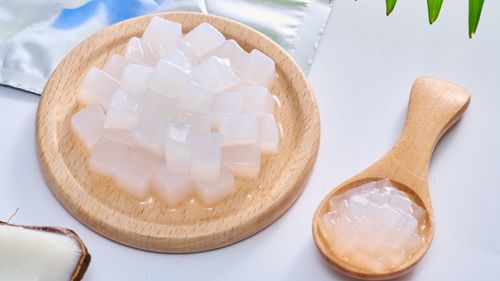
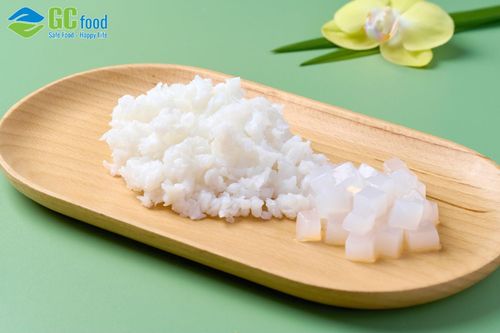
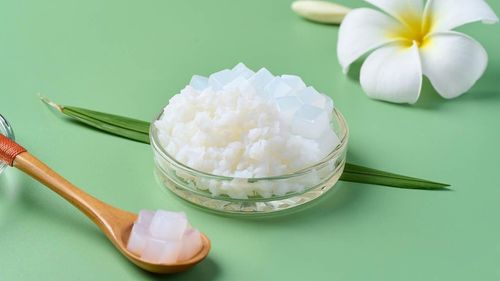
Currently, nata de coco (coconut jelly) is distributed in several product lines to meet the needs of milk tea shops, restaurants, processing facilities, and individual consumers. Clear product classification helps buyers select the most suitable nata de coco for their intended use and business scale.

3. Nata de coco price by packaging format
The price of nata de coco in the market is not fixed because it varies depending on product specifications and order demand from buyers. Customers who purchase large volumes or order directly from manufacturers often receive more competitive pricing compared with retail purchases through intermediaries.
Several factors also influence the final price of nata de coco in different supply channels:
Cube size: Nata de coco is available in small, medium or large cubes and can also be cut according to specific requirements from buyers. Products that require special cutting processes often have higher prices than standard cube sizes.
Sugar content: Nata de coco can be processed with light syrup, strong syrup or without sugar as raw nata de coco. Differences in sugar content and processing methods will influence production costs plus selling prices.
Packaging format: Products packed in large containers such as 5 to 25 kilogram bags, drums, or aseptic packaging, usually have a better price per kilogram than small retail packs of one kilogram or jars.
Order quantity: When businesses purchase wholesale nata de coco in large volumes or sign long-term supply contracts, the unit price is usually lower and more stable than small individual orders.
Because each supplier applies different pricing policies and discount programs, buyers should contact the supplier directly for detailed consultation before selecting the most suitable purchasing solution.
4. Buying coconut jelly in large quantities for beverage shops
For beverage shops or F&B business models, topping coconut jelly is a frequently used ingredient that directly affects drink quality. When businesses consider where to buy nata de coco in large quantities, it is advisable to request product samples to evaluate texture, sweetness and overall quality before placing bulk orders. Shop owners should also discuss wholesale pricing based on order volume and clarify discount policies to understand whether the price can remain stable over time.
In addition, both parties should clearly agree on delivery schedules, transportation fees and return conditions before starting regular cooperation. If the shop requires a stable supply for daily operations, signing a clear contract with the supplier can help maintain consistent inventory and reduce the risk of shortages during peak seasons.
5. How to order nata de coco directly
To purchase nata de coco directly from a manufacturing company or a large supplier, the process usually includes several clear steps:
Request a quotation: Customers provide details about the type of nata de coco such as raw, topping or ready to eat plus also specify cube size, sugar content, estimated quantity and delivery location so the supplier can prepare a suitable quotation.
Confirm product specifications: Both parties discuss cube size, sweetness level and packaging format while agreeing on quality standards as well as the expected delivery schedule.
Sign the contract and arrange payment: For large orders or long-term cooperation, it is recommended to sign a clear agreement that defines order volume, pricing structure, payment terms and responsibilities of both parties.
Delivery process: The supplier prepares packaging and organizes shipment according to the agreed timeline, while the buyer should check quantity, specifications plus product condition upon delivery to ensure the order meets the original agreement.

6. How nata de coco is delivered to other provinces
Currently, most suppliers support shipping nata de coco to other provinces through cargo transportation companies or nationwide logistics services. The delivery method will depend on the order quantity and the receiving location. To maintain product quality during long-distance transportation, nata de coco is usually:
Packed tightly according to standard specifications
Clearly sealed for each shipment
Labeled with storage instructions such as avoiding sunlight and high temperatures
7. Criteria for choosing where to buy nata de coco
To ensure product standards as well as stable quality for business use, buyers should evaluate suppliers based on several criteria that relate to both product quality and production capability.
7.1 Quality certification
When considering where to buy nata de coco, businesses should prioritize suppliers that provide full documentation related to food safety standards and official product declarations. These certifications help confirm ingredient quality while allowing beverage shops or restaurants to verify product origin with greater confidence.
7.2 Supply capacity
A reliable supplier should be able to provide large and stable quantities, especially during peak seasons. When choosing a supplier, customers should carefully review the following criteria:
Factory scale and production system
Monthly supply capacity
Ability to handle urgent orders
Price stability when signing long-term contracts.
7.3 Sales policy
Clear sales policies and transparent cooperation terms play an important role when businesses purchase nata de coco in large quantities. Buyers should carefully review wholesale pricing levels based on order volume and examine discount policies along with payment conditions.
Delivery support across provinces and clear return policies should also be considered when evaluating supplier reliability. A supplier that maintains professional policies and transparent cooperation standards can support long-term partnerships while helping businesses manage costs plus reduce operational risks.

8. GC Food - A Vietnamese nata de coco manufacturer for export
When businesses search for where to buy nata de coco with consistent quality, GC Food Joint Stock Company (GC Food) is recognized as one of the notable manufacturers in Vietnam. The company utilizes clean coconut resources from Ben Tre province and develops a modern processing system that follows international production standards.
8.1 Integrated nata de coco production system
GC Food nata de coco is produced from naturally fermented mature coconut water and processed with modern Pasteur pasteurization technology to preserve natural flavor and nutritional value. With an annual output of more than 15,000 tons of finished products, GC Food can serve both B2B customers and retail markets in Vietnam as well as international markets.
The company operates a modern production system that controls every stage from raw material sourcing and fermentation to cube cutting, packaging as well as finished product storage. This integrated system allows GC Food to provide flexible supply solutions including large volume raw nata de coco ingredients, mixed products and customized processing according to customer requirements.
8.2 International quality certifications
GC Food nata de coco products have achieved several international certifications including FSSC 22000, HALAL, FDA, GlobalGAP and GACC. These certifications help ensure that the products meet strict quality requirements for both domestic markets and global export markets.
For export products, GC Food also applies modern Aseptic UHT technology, which enables sterile processing and packaging. This technology helps extend product shelf life without preservatives and supports compliance with import regulations in demanding international markets. For more details about certifications and GC Food sales policies, customers can contact the company directly through the hotline 0984 423 454.

8.3 Nata de coco product lines currently produced by GC Food
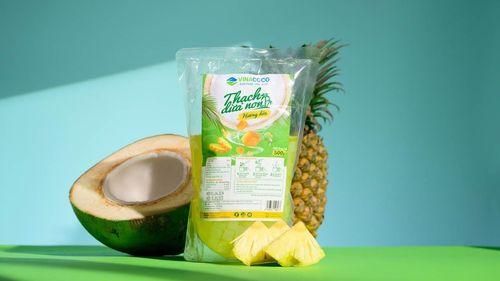
GC Food develops a wide range of nata de coco products to meet diverse market demands, from raw ingredients for large-scale processing to finished products for F&B businesses and individual consumers.
9. FAQs - Common questions when buying nata de coco
When businesses search for where to buy nata de coco at wholesale prices for beverage shops or F&B operations, buyers usually focus on supplier credibility, wholesale pricing policies and delivery capability. The following questions highlight common concerns that can help customers understand important details before choosing a supplier.
9.1 Where to buy raw nata de coco?
Customers should purchase raw nata de coco directly from manufacturers or trusted ingredient suppliers to ensure consistent quality and reliable food safety standards. For large orders, buyers should request detailed information about cube size, sugar content and shelf life while reviewing quality certifications before signing a supply agreement.
9.2 Is nationwide shipping available when buying nata de coco?
Most large manufacturers support nationwide delivery through road transportation services or container shipping for bulk orders. For customers in other provinces, nata de coco is often packed in aseptic bags, industrial drums or durable cartons to maintain product quality during transportation.
9.3 How to buy nata de coco at wholesale prices?
Wholesale pricing depends on cube size, sugar content and packaging format while order volume also affects the final price. To receive an accurate quotation, buyers should contact the supplier directly and provide details about expected monthly demand.
9.4 Is OEM service available when buying nata de coco?
Many nata de coco manufacturers including GC Food provide OEM production services according to specific customer requirements. Businesses can request customized formulas, cube sizes and sugar levels while designing their own packaging or brand identity for domestic markets or export distribution.
9.5 Can GC Food nata de coco be exported?
GC Food manufactures nata de coco products for both domestic distribution and international export markets. The products comply with recognized quality management standards such as ISO or FSSC 22000 and Halal certification which support distribution in many global markets. GC Food nata de coco is also exported in large container shipments to serve international buyers.
If you are searching for where to buy nata de coco at wholesale prices with stable quality, contacting GC Food directly can help you receive detailed consultation about suitable specifications and product samples. Customers can also visit the company website to explore more information about us and review detailed descriptions of available product lines.
This article was prepared by the GC Food Team - Specialists in natural ingredient solutions.