
 Ms. Lê Thị Ánh Trinh
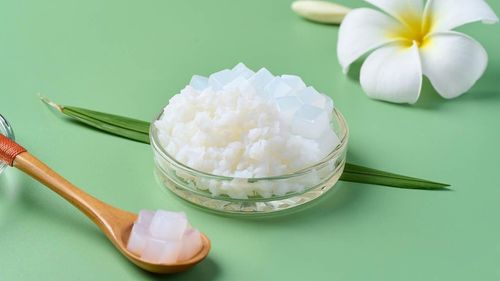
Making crispy coconut jelly cubes at home is much easier than many people think, and this article shares a simple recipe to help you succeed on the first try. With only three main steps, including preparing the coconut jelly, boiling it, then cooking it with sugar water, you can quickly create a light dessert that feels fresh and pleasant.
1. Ingredients for making coconut jelly cube
Making coconut jelly cubes at home is not as complicated as many people assume, because you only need to prepare a few familiar ingredients in the quantities listed below.

2. Detailed guide to making coconut jelly cube
Below is a clear guide that explains how to make coconut jelly cubes in a simple way. You only need to follow the steps to create a batch of chewy jelly that feels light and refreshing at home.
2.1 Preparation time
The method for making coconut jelly cubes is quite simple, but the preparation stage requires patience because the jelly must be cleaned carefully to remove its natural sour smell.
Preparation time: About 4 hours.
Boiling time for coconut jelly: About 30 minutes.
Cooking coconut jelly with sugar water: About 30 minutes.
Chilling time: About 1 to 2 hours.
2.2 Method
2.2.1 Step 1: Prepare the raw coconut jelly
First, place the raw coconut jelly into a large bowl of water and gently squeeze it with your hands so the fermented smell remaining in the jelly can be removed. You should handle it carefully to clean the jelly thoroughly while still keeping the texture intact.
Next, rinse the jelly under cold running water until it becomes clean, then transfer it to a basket and let the water drain naturally. After that, soak the raw coconut jelly in clean water and replace the water once every hour.
Repeat this process about three to four times so the typical sour smell remaining in the jelly can be completely removed. After finishing these steps, you will notice that the raw coconut jelly becomes larger because it has absorbed enough water for further cooking.
2.2.2 Step 2: Boil the raw coconut jelly
Wash the jelly several more times with clean water and gently squeeze it so excess water can drain away. Then, place a pot of water on the stove and heat it until boiling before adding all the prepared coconut jelly to remove the remaining sour taste.
When the water returns to a boil, stir the jelly for about one to two minutes and then remove it from the pot. Rinse the coconut jelly again with clean water and let it drain completely before moving to the next step.
2.2.3 Step 3: Cook the raw coconut jelly with pandan leaves and rock sugar
Pour one liter of filtered water with eight hundred grams of rock sugar into a pot and heat it over low heat while stirring gently until the sugar dissolves completely. At this stage, you can taste the syrup and adjust the sweetness to match your personal preference.
When the sugar syrup begins to boil, add the prepared raw coconut jelly into the pot and cook it together with the mixture. Then place the cleaned pandan leaves into the pot and continue heating until the liquid boils again so the fragrance spreads evenly.
Lower the heat and continue cooking for about twenty minutes so the pandan leaves can release their natural aroma before turning off the stove. Allow the jelly to cool completely, then soak it in ice water so the texture becomes crisp and the flavor becomes more refreshing.
One useful tip to prevent the coconut jelly from becoming sour is to cook it with filtered water and sugar instead of fresh coconut water. Coconut water contains a high amount of natural sugar that can ferment easily when heated, which may cause the jelly to spoil faster and reduce both flavor as well as storage time.

You have now completed a very simple method for making crispy coconut jelly cubes at home, and the finished jelly can be stored in the refrigerator for about three to five days. During the summer season, you can prepare a larger batch in advance and keep it chilled, then enjoy it with yogurt, sweet soup, or ice cream for a dessert that feels refreshing.
3. How to make coconut jelly cubes from agar powder
To create a different flavor, you can try making coconut jelly cubes with agar powder so you have a light dessert that feels refreshing during hot summer days. With the simple recipe below, you can easily prepare attractive coconut jelly that looks appealing and tastes pleasant for the whole family.
The process of making coconut jelly cubes with agar powder includes five main steps:
Prepare the jelly mixture
Heat the mixture until dissolved
Pour the mixture into molds
Chill the jelly
Cut the jelly into cube shapes
The total time needed to make coconut jelly cubes from agar powder is about three hours.
3.1 Ingredients to prepare
3.2 Method
Step 1: Prepare the agar mixture
First, combine thirty grams of granulated sugar with two teaspoons of agar powder in five hundred milliliters of fresh coconut water and stir the mixture until the ingredients blend evenly. After that, allow the mixture to rest for about fifteen minutes so the agar powder can dissolve properly.
Step 2: Cook the agar mixture
After fifteen minutes, place a pot on the stove and pour the agar mixture into it while heating over medium heat. During this stage, stir the liquid continuously so the jelly mixture stays smooth and the sugar dissolves completely.
Step 3: Pour into molds
Prepare molds in any shape you prefer and place small pieces of coconut meat at the bottom of each mold. When the jelly mixture is still hot with a slightly thick texture, gently pour it into the molds so air bubbles can be avoided. While pouring the mixture, keep the remaining agar warm on very low heat or place the pot in hot water so the jelly does not harden too early.
Step 4: Chill the jelly
After pouring the coconut jelly mixture into the molds, allow it to cool slightly and then place it in the refrigerator for about one to two hours so the jelly can set completely. You can also keep it in the refrigerator longer so the dessert becomes cooler when served.
Step 5: Cut into cubes
Once the jelly has fully set, you can cut it into bite-sized cubes that are easy to enjoy. If you use shaped molds for agar jelly, simply tap the mold gently so the jelly releases easily and serve it immediately.
3.3 Colorful variations of coconut jelly cube
If you want the jelly to look more attractive and appealing, you can create colorful agar jelly by using natural ingredients that provide gentle shades. To create a green color, blend pandan leaves with a small amount of water and strain the mixture through a sieve to collect the liquid extract. When the jelly mixture begins to thicken slightly, pour the pandan extract into the pot and then continue pouring the mixture into molds so the final jelly shows a soft green color.
To create a unique blue-purple color, soak butterfly pea flowers in a small amount of hot water and use the colored liquid as a natural dye for the jelly mixture. For a red color, you can use beetroot or red dragon fruit and prepare the extract in a similar way to the pandan leaves, so the jelly gains a bright natural color.
4. Important notes when making coconut jelly cube
Although the method is simple, the jelly may become crumbly or lose its chewy texture if the ingredient ratio is not balanced correctly. To achieve a delicious batch of coconut jelly, you should pay attention to several important points described below.
4.1 How to prevent coconut jelly from becoming crumbly
To keep coconut jelly from becoming crumbly, the ratio between agar powder and coconut water must be measured carefully because the final texture depends strongly on this balance. If the amount of liquid is too high compared with the agar powder, the finished jelly may become soft and lose its firmness. For this reason, when preparing agar jelly, you should follow the ratio printed on the packaging or use a reliable recipe so the texture remains stable.
4.2 How to maintain chewiness after chilling
During storage, place the jelly in sealed containers so contact between the jelly and air can be limited. When the jelly is exposed to air for a long period, moisture can gradually escape and the texture may become dry. Therefore, if the jelly is not used immediately, store it in airtight containers with the lid closed before placing it in the refrigerator so the flavor and texture can be preserved longer.
4.3 How to cut coconut jelly cubes neatly without breaking the edges
Allow the jelly to set completely before cutting so the edges remain intact during the process. To make cutting easier, you can place the jelly in the refrigerator for a short time before slicing. In addition, use a sharp knife so the cutting lines appear clean and the jelly keeps its original shape.
4.4 How long can coconut jelly cubes be stored
In general, agar jelly can be stored in the refrigerator for about three to five days while still maintaining good quality. A whole block of jelly can usually last longer than small pieces that have already been cut. For this reason, if the jelly is not used immediately, keep it in a large piece instead of cutting it into smaller cubes so the structure remains stable.
4.5 Ways to enjoy coconut jelly cubes
Besides serving it directly as a dessert, coconut jelly cubes can also be used as a topping in various drinks and sweet dishes. You can cut the jelly into small cubes and add it to milk tea or fruit tea so the drink becomes more flavorful. The jelly can also be combined with sweet soups or desserts such as ice cream, fruit bowls, or bingsu depending on your personal preference.
5. Common mistakes when making coconut jelly cubes
When preparing nata de coco cubes at home, many people often encounter problems such as broken edges or a cloudy texture. The explanations below present simple solutions so you can create a batch of coconut jelly that looks appealing and tastes similar to that sold in shops.
5.1 Why does the jelly fail to set or become too soft?
Agar jelly may fail to set for several reasons, one common cause is an incorrect ratio between agar powder and liquid. When making jelly, you should carefully follow the ratio provided on the packaging so the final texture becomes firm and balanced.
If the amount of liquid is too high while the agar powder is insufficient, the jelly may remain soft and cannot hold its shape properly. In addition, the cooking time also plays an important role because the agar powder must dissolve completely before the mixture can set. For this reason, heat the mixture for about five to seven minutes so the agar powder dissolves properly and the jelly can solidify after cooling.
5.2 Why do the jelly cubes have broken edges?
If the jelly is cut before it has completely set, the soft structure can cause the pieces to become uneven or develop broken edges. Therefore, allow enough time for the jelly to firm up before cutting so the cubes remain neat and visually appealing.
5.3 Why does the jelly become cloudy?
The main reason that agar jelly becomes cloudy is the foam that appears during the cooking process and remains on the surface. This foam layer can create tiny air pockets inside the jelly which makes the appearance less clear. In addition, cooking the jelly over very high heat for too long may also cause the mixture to become cloudy.
6. FAQs - Common questions about making coconut jelly cubes
Before starting the process, many people often have similar questions about setting time, cutting methods, and proper storage techniques. The section below presents the most common questions about making coconut jelly with clear explanations.
6.1 How long should you wait before cutting the jelly?
After pouring the agar mixture into molds, allow the jelly to cool for about fifteen to twenty minutes and then place it in the refrigerator for one to three hours so it can set completely. Once the jelly becomes firm, you can remove it from the mold and cut it into bite-sized cubes. If you want to avoid broken edges during cutting, you can leave the jelly in the refrigerator overnight so the structure becomes firmer and the cutting lines appear cleaner.
6.2 How many days can coconut agar jelly be stored in the refrigerator?
Coconut agar jelly can usually be stored in the refrigerator for about three to five days if it is kept in sealed containers. Storing the jelly in airtight containers helps maintain its texture and flavor while reducing the chance of water separation.
6.3 Can agar jelly be frozen?
It is not recommended to store agar jelly in the freezer because the freezing process can damage the structure of the jelly after thawing. When the jelly thaws, the texture may become soft and watery. For this reason, the best method is to store the jelly in sealed containers and keep it in the refrigerator.
6.4 Can agar powder be replaced with other ingredients?
You can use chewy agar powder, crispy agar powder, or gelatin depending on the texture you prefer. If you want the coconut jelly to have a firm texture, choose crispy agar powder for a more solid structure.
If you prefer a softer texture, chewy agar powder or gelatin can create a smoother consistency. However, jelly made with gelatin should always be kept at a low temperature so the structure remains stable.
7. Where should you buy raw coconut jelly to ensure safety and quality?
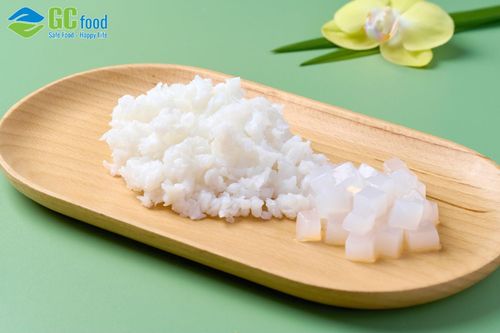
Coconut jelly cube is a familiar ingredient in many drinks and desserts because it offers a chewy texture with a naturally refreshing flavor. Today, this product is widely available in the market as well as can be found in traditional markets, grocery stores, or large-scale brands that specialize in production and packaging.
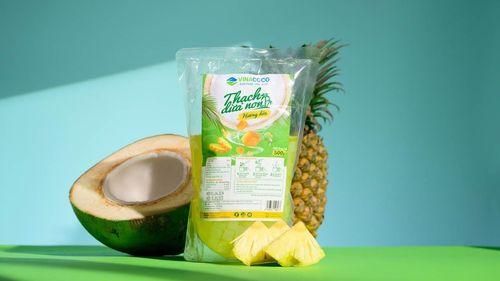
If you want to ensure food safety and reliable quality, you can consider coconut jelly products from GC Food, which is a pioneering brand in the coconut jelly industry in Vietnam. The company uses natural ingredients and applies modern processing methods to create products that meet high-quality standards.
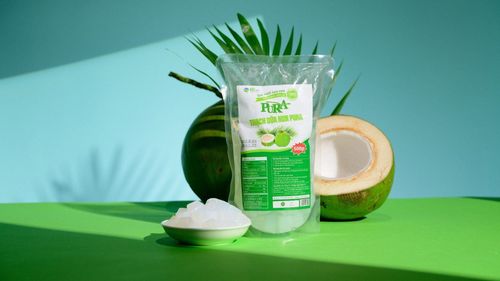
Products from G.C Food Joint Stock Company (GC Food) are delivered to consumers after meeting international standards related to food safety and hygiene. In addition to traditional coconut jelly, GC Food also produces a variety of options such as Pura Young Coconut Jelly, Shaped Nata de Coco, and Caramel Coconut Jelly so customers can easily choose according to their preferences.
The article above has provided a detailed guide on how to make coconut jelly cubes so you can prepare an appealing dessert for your family during the weekend. You can visit the official website of GC Food to learn more about us and discover additional creative recipes.
This article was compiled by Le Thi Anh Trinh from the GC Food Communications Department, who specializes in collecting plus sharing professional knowledge related to aloe vera and coconut jelly production.