
 Ms. Lê Thị Ánh Trinh
Low-calorie drinks are becoming the preferred choice for modern consumers as interest in weight management and healthy living continues to rise. Rather than a short-lived zero-calorie craze, this trend signals a lasting shift in consumption habits, moving away from sugary soft drinks toward lighter options that remain refreshing and enjoyable.
1. Current trends in searching for low-calorie drinks
In recent years, search interest in low-calorie drinks and zero-sugar drinks has shown steady growth on Google Trends. According to Fortune Business Insights, the global sugar-free beverage market was valued at approximately USD 65.35 billion in 2024 and is expected to maintain sustainable growth, reflecting rising consumer awareness of health concerns.
In addition, busy urban lifestyles, increasing obesity rates, and sugar taxes imposed in several countries have encouraged consumers to opt for lower-calorie drink options. As a result, low-calorie drinks are now widely featured on café menus, beverage counters, and even in everyday household kitchens.
2. Popular types of low-calorie drinks today
Below are several low-calorie drinks that are rich in nutrients and may help support fat burning:
- Ginger tea: Helps warm the body, improve blood circulation, and stimulate fat burning. Drinking ginger tea before bedtime can increase feelings of fullness, which may reduce late-night cravings.
- Cucumber juice: Naturally high in water and low in energy, cucumbers provide essential vitamins for the body. When combined with lemon, ginger, or mint, cucumber juice can aid detoxification and support weight loss.
- Grapefruit juice: Assists in regulating insulin levels, limiting fat accumulation, reducing abdominal fat, and stabilizing blood sugar.
- Green tea: Rich in antioxidants that enhance fat oxidation, thereby helping to reduce fat storage.
- Winter melon juice: Very low in calories yet free from lipids, this drink helps prevent the conversion of sugar into fat, supporting weight control and skin health.
- Lemon water or lemon with honey: Promotes digestion, supports detoxification, and provides a source of clean energy.
- Soy milk and skim milk: Contain healthy fats plus B vitamins that contribute to fat metabolism while increasing satiety.
- Cinnamon water: Helps stabilize insulin levels, offers antibacterial properties, and supports fat burning.
- Black coffee: Nearly calorie-free, it enhances alertness and boosts metabolic rate.
- Vegetable, apple, and pineapple juices: Low in calories yet high in fiber, these drinks promote prolonged fullness and help limit fat accumulation.

3. Why is GC Food coconut jelly suitable as a topping for low-calorie drinks?
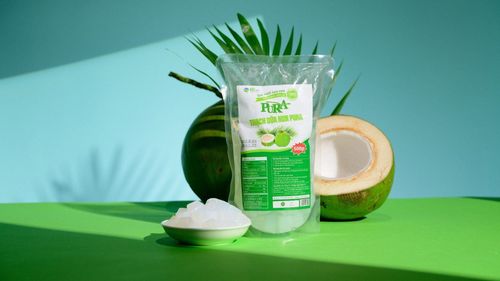
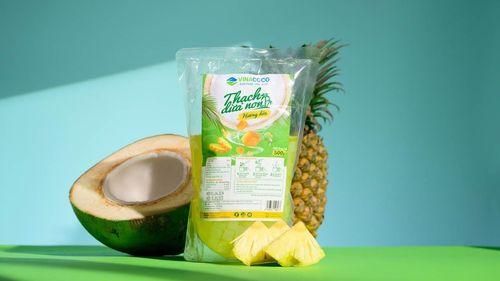
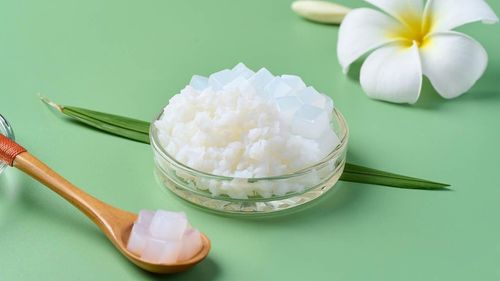
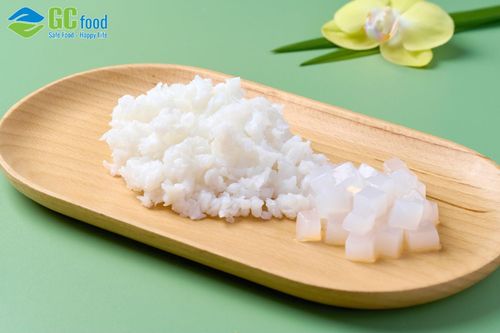
Thanks to its unique structure and low-calorie content, coconut jelly is widely regarded as an ideal topping for low-calorie drinks. Coconut jelly produced by G.C Food Joint Stock Company (GC Food) offers several distinctive advantages:
- A natural cellulose fiber structure that delivers a crisp, chewy, and refreshing texture.
- A light, delicate sweetness that can be easily adjusted to suit low-sugar formulations.
- Low calorie content makes it suitable for health-conscious consumption.
- A closed production process utilizing Aseptic UHT technology, allowing GC Food coconut jelly to retain its crunch, clarity, and natural flavor.
In addition, GC Food is a pioneering company in unlocking the value of coconut and aloe vera through a sustainable development approach, with strict quality control from raw material selection to finished products.
4. Recipes combining GC Food coconut jelly with low-calorie drinks
4.1 GC Food coconut jelly green tea
Ingredients:
- 1 green tea bag or brewed green tea
- 1 - 2 tablespoons of GC Food retail packaged coconut jelly
- Ice cubes
- Sugar substitute (optional)
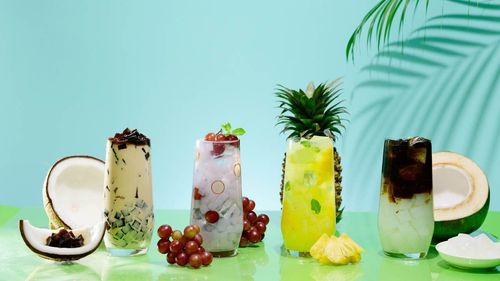
Preparation: Brew the green tea, let it cool, then add ice cubes and GC Food coconut jelly before serving. For a slightly sweeter taste, you may add a small amount of honey or a sugar substitute, depending on your preference.
4.2 GC Food coconut jelly fruit tea
Ingredients:
- 1 black tea bag or oolong tea
- A suitable amount of fresh fruit or low-sugar syrup
- 1 - 2 tablespoons of Pura GC Food young coconut jelly
- Ice cubes
Preparation: Brew the tea, let it cool, then add fresh fruit or a small amount of low-sugar syrup. Finally, top with GC Food coconut jelly and ice cubes to enhance the refreshing flavor of the fruit tea.

The above recipes are recommended by the GC Food team - A coconut jelly manufacturer that meets food safety standards.
It is evident that low-calorie drinks are no longer a short-term trend but have evolved into a new consumption habit. To safeguard health, consumers are advised to choose fresh and safe ingredients from GC Food. You may visit the GC Food introduction page to explore a wider range of coconut jelly and aloe vera toppings tailored to diverse needs.
This article is compiled by the GC Food Team - Specialists in natural ingredient solutions.