
 Ms. Lê Thị Ánh Trinh
Making coconut jelly at home is simple, with just a few basic steps: selecting young coconuts, opening the top, mixing jelly powder with fresh coconut water, then pouring the mixture back into the shell and chilling for 4 - 5 hours until set. Follow the recipe below to create fragrant, lightly sweet coconut jelly - a refreshing treat for hot summer days.
1. How to make traditional coconut jelly in whole coconut
To make a whole young coconut jelly for about three servings, you’ll need around 60 minutes for preparation and about 30 minutes for cooking.
1.1 Ingredients for whole young coconut jelly
When buying coconuts, choose fresh ones that are still in their original bunch, with an even green outer skin and no signs of bruising or dark spots. Coconuts that have not been pre-trimmed help preserve the pure natural sweetness of the coconut water, preventing sourness or contamination that can occur during industrial storage and handling.

1.2 How to make traditional coconut jelly in whole coconut
Step 1: Prepare the coconuts
After removing the green outer husk, carefully cut a small circular opening at the top of each coconut to collect the coconut water inside. Then strain the coconut water through a fine sieve to remove any coconut fibers or small wood particles.
Step 2: Mix the agar powder
Combine 10 g of agar powder with 90 g of sugar, then slowly pour in the coconut water while stirring continuously to help the agar dissolve evenly and prevent clumping. To ensure the jelly sets well and does not release water after chilling, let the mixture rest for about 1 hour before cooking.
Step 3: Cook the first batch of jelly
Divide the coconut water mixture into two portions:
About 350 ml in a separate bowl (to be used later)
The remaining mixture in a pot is cooked over medium heat.
Once the mixture begins to boil, reduce the heat to the lowest setting to keep it warm and prevent the jelly from setting before pouring it into the coconut shells. During cooking, skim off any foam that rises to the surface to ensure the jelly remains smooth and clear.
Step 4: Cook the second batch of jelly
Heat the 350 ml portion of the agar mixture that was set aside earlier over medium heat, stirring gently as it warms. Just before the mixture reaches a boil, add 50 g of coconut milk and continue stirring until everything is fully combined and smooth.
Step 5: Create the jelly layers
First, pour a layer of the clear jelly (from Step 3) into each coconut shell until it fills about two-thirds of the shell. Next, gently touch the surface with a teaspoon to check the texture - if the spoon no longer sticks, the base layer has set enough for you to pour the coconut milk jelly layer (from Step 4) on top.
Step 6: Chill the jelly
For a refreshing taste, place the filled coconuts in the refrigerator for 4 to 5 hours before serving. The final result is a beautifully layered coconut jelly with the delicate sweetness of young coconut water combined with the rich creaminess of coconut milk. On hot summer days, enjoying each cool, slightly chewy bite helps beat the heat and brings a wonderfully refreshing sensation.
2. How to make coconut jelly in a whole coconut with cheese flavor
To prepare rich and creamy cheese-flavored coconut jelly in whole coconuts, you’ll need about 60 minutes for preparation and around 30 minutes for cooking.
2.1 Ingredients for cheese-flavored whole coconut jelly
2.2 How to make cheese-flavored coconut jelly in whole coconut
Step 1: Prepare the fresh coconuts
Cut a circular opening at the top of each coconut and pour all the coconut water into a large bowl, making sure to collect about 1.5 liters of coconut water.
Step 2: Cook the clear jelly layer
Mix 4 g of soft agar powder with 6 g of crispy agar powder and sugar, then pour in all the coconut water and stir well. Let the mixture sit for about 30 minutes so the agar powder can fully bloom.
Cook the mixture over medium heat, and once it begins to boil, reduce the heat to low and continue simmering for about 5 minutes. During cooking, skim off any foam that appears and avoid stirring the mixture to help maintain a clear, transparent jelly layer.
Step 3: Cook the coconut milk and cheese jelly layer
Mix 2 g of soft agar powder with 3 g of crispy agar powder, then combine with 70 ml of coconut milk, 2 cartons of unsweetened milk, condensed milk, coconut powder, and a little sugar. Pour the entire mixture into a pot and heat on the stove until it just begins to gently simmer, then turn off the heat.
Step 4: Assemble the jelly
Pour the clear jelly mixture (from Step 2) into each coconut shell until it fills about two-thirds of the shell. Next, add the small cubes of cheese and sliced fresh coconut meat inside. When the base layer starts to slightly set on the surface, gently pour the coconut milk jelly layer on top to create a distinct layered effect. Finally, place the coconuts in the refrigerator for 2 - 3 hours until the jelly fully sets.

The two coconut jelly recipes above are recommended by the team at GC Food, a company specializing in coconut jelly products that meet international quality standards.
3. FAQs - Common questions about making coconut jelly in whole coconuts
Even after learning how to make coconut jelly from whole coconuts, many people still have a few questions during the preparation process. To help you feel more confident in the kitchen and avoid common mistakes, here are some clear and practical answers.
3.1 What is the difference between coconut jelly in a coconut and coconut jelly cubes?
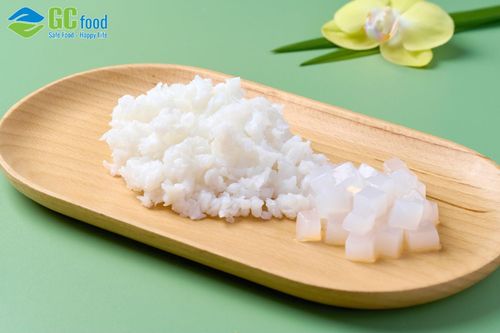
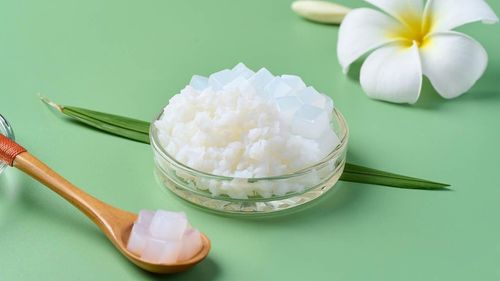
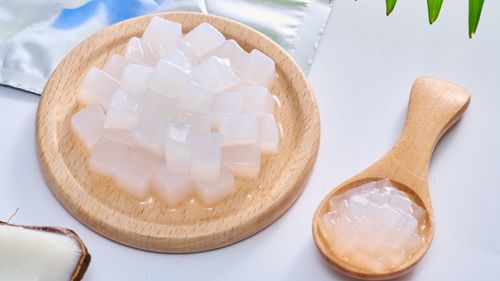
Coconut jelly cubes are typically poured into separate molds, allowed to set, and then cut into small pieces to serve on their own or combined with other desserts. In contrast, coconut jelly in whole coconuts is poured directly into the coconut shell, which helps preserve the natural coconut aroma while also creating a more visually appealing presentation when served.
3.2 Should you use young coconut or Siam coconut?
It is best to use Siam coconuts (young coconuts) because they have a naturally sweet taste and a distinctive fragrance. Ideally, choose coconuts with slightly tender flesh (semi-mature coconuts), and avoid ones that are too old (which may have sour water) or too young (which tend to have bland coconut water).
3.3 How can you open a coconut without cracking the shell?
Use a sharp knife with a pointed tip, first identifying the center at the top of the coconut, then holding the knife at a 45-degree angle to carefully score a circular line. After scoring the circle, gently pry up the cut piece with the tip of the knife to open the coconut.
3.4 Why doesn’t the jelly set inside the coconut?
Jelly may fail to set if there is too much coconut water compared to the agar powder, or if the mixture was not boiled thoroughly. To avoid this, measure the ingredients accurately and cook the mixture until it reaches a proper boil, stirring well so the agar dissolves completely before pouring it into the coconut shell to chill.
3.5 How long can whole coconut jelly be stored?
Because no preservatives are used, coconut jelly in whole coconuts should ideally be consumed within 2 - 3 days when stored in the refrigerator. After that, the jelly may start releasing water, lose its firm texture, or develop changes in flavor, which can affect its overall quality.
3.6 How do you cut and serve coconut jelly in a whole coconut?
You can simply use a small spoon to scoop each layer of jelly together with the tender coconut meat. For a more appealing presentation, use a sharp knife to cut the coconut in half vertically, revealing the beautiful jelly layers inside.
3.7 Do you need agar powder to make coconut jelly?
Yes. Agar powder is an essential ingredient because natural coconut water cannot solidify on its own. Using crispy agar powder or soft agar powder allows the mixture to set properly, creating either a firmer or softer texture depending on your preference.
3.8 Can canned coconut water be used to make coconut jelly?
Canned coconut water can be used if fresh coconuts are not available. However, the final flavor will not be as fresh or aromatic as jelly made from freshly harvested coconut water. This is because packaged coconut water is usually heat-processed and may contain preservatives, which can reduce its natural sweetness and fragrance.
3.9 How long does it take for coconut jelly to set in the refrigerator?
To allow the jelly to set completely from the outside to the center, the coconut should be refrigerated for at least 4 - 5 hours. This time allows the agar mixture to stabilize and firm up evenly throughout the coconut.
3.10 Do you need to steam coconut jelly in the coconut?
No. You only need to cook the agar mixture on the stove until it fully dissolves, then pour it directly into the coconut shell and refrigerate it until set. Steaming is unnecessary and may overcook the coconut meat inside, affecting its natural softness and the overall flavor of the dessert.
With these two coconut jelly recipes, you can easily prepare this refreshing dessert right in your own kitchen. Whether you prefer the light sweetness of the traditional version or the rich, creamy combination with cheese, coconut jelly in whole coconuts is a delightful treat to serve family and friends during gatherings. Visit the GC Food introduction page to discover more cooking tips and find quality ingredients from GC Food.
This article was prepared by Le Thi Anh Trinh - Communications Department at GC Food, specializing in compiling and sharing in-depth knowledge about ingredients and the production processes of aloe vera and coconut jelly.