
 Ms. Lê Thị Ánh Trinh
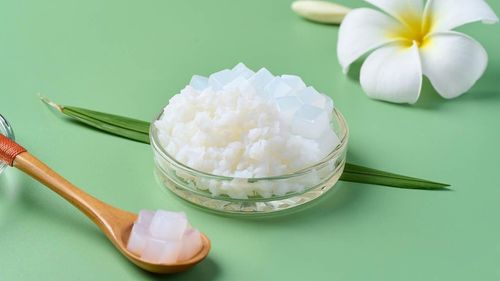
Coconut jelly with chia seeds is a popular homemade recipe, especially during hot summer days. With just a few simple ingredients such as coconut jelly, rock sugar, chia seeds, and pandan leaves, you can easily create a refreshing and cooling drink at home. Follow the detailed recipe below to make a delicious and revitalizing treat for your family.
1. How many steps are needed to make coconut jelly with chia seeds?
Making coconut jelly with chia seeds is simple and doesn’t take much time. The process includes just four basic steps:
1. Rinse and remove the sour taste from the raw coconut jelly
2. Soak the jelly until it expands
3. Cook pandan-flavored sugar syrup
4. Add chia seeds and chill before serving
2. Ingredients needed to make refreshing coconut jelly with chia seeds
To prepare a delicious and refreshing coconut jelly with chia seeds, you only need a few basic ingredients listed below.

3. How to make refreshing coconut jelly with chia seeds at home
On hot days, enjoying a glass of refreshing coconut jelly with chewy, crunchy chia seeds is a perfect way to cool down. Below is a detailed guide on how to make coconut jelly with chia seeds at home - simple enough for anyone to succeed on the first try.
Jelly preparation time: 3 - 4 hours
Cooking time: ~30 minutes
Total time: ~4 hours 30 minutes
Servings: 4 people
3.1. Step 1: Rinse and remove the sour taste from raw coconut jelly
Place 500 g of raw coconut jelly in a bowl and rinse it continuously under running cold water to remove the sour smell.
Gently squeeze and wash the jelly several times until the fermented odor is completely gone. To drain it faster, you can place the jelly in a clean cloth bag and squeeze firmly to remove excess water.
3.2. Step 2: Soak the jelly
After rinsing, transfer the jelly to a large bowl and pour in enough filtered water to fully cover it, then soak for about 1 - 2 hours.
Next, change the water once and continue soaking for another 1 - 2 hours so the jelly can expand evenly and become crunchier.
Bring about 1 liter of water to a boil and blanch the coconut jelly for 2 - 3 minutes to completely remove any remaining odor, then drain and set aside.
3.3. Step 3: Cook the pandan sugar syrup
Add 3 liters of water and 1 kg of rock sugar to a pot and cook over low heat, stirring continuously until the sugar completely dissolves. Then add about 200 - 300 g of white granulated sugar to enhance the sweetness of the dessert (adjust according to your taste).
Once the sugar has fully dissolved, add the pandan leaves and the prepared coconut jelly to the pot. Stir gently and continue simmering for 10 - 15 minutes so the jelly absorbs the sweetness and the fragrant aroma of pandan.
3.4. Step 4: Add chia seeds and chill
Place the chia seeds in a small bowl with 50 ml of warm water, stir well, and soak for 7 - 10 minutes until they expand, then drain off the excess water.
When the coconut jelly and pandan syrup have absorbed the sweetness and released their aroma, add the soaked chia seeds to the pot. Cook for another 5 - 10 minutes, then turn off the heat.
If you want to enjoy it right away, scoop the coconut jelly with chia seeds into a glass, add some ice, and serve. For a better taste, you can also refrigerate the coconut jelly in the fridge for a while before serving to make it nicely chilled.
4. The ideal ratio for making coconut jelly with chia seeds
With this recipe, you only need about 500 g of raw coconut jelly, 3 liters of water, and 800 g of sugar. This ratio helps create a balanced consistency - neither too thick nor too diluted - while delivering a light, pleasant sweetness that’s easy to enjoy.
When combined with chia seeds, the jelly becomes even more appealing and is perfect as a refreshing drink for hot days. However, you can adjust the amount of sugar to suit your family’s taste, making this dessert just the way you like it.
5. Common mistakes when making coconut jelly with chia seeds
When preparing coconut jelly with chia seeds, overlooking a few small details can affect the final texture and flavor. Below are some common mistakes many people encounter when making this refreshing dessert.
5.1 Why does coconut jelly still taste sour after cooking?
If the jelly still tastes sour after cooking, it is usually because it was not rinsed thoroughly during preparation. The natural fermentation process can leave a sour odor if the jelly is not properly washed, which may affect the flavor when cooked with sugar syrup. To remove the sour taste completely, rinse and gently squeeze it several times under clean water, then soak for 1- 2 hours so it can absorb water and expand before cooking.
5.2 Why does the jelly become soft?
Boiling raw coconut jelly for too long can cause it to become soft and lose its signature chewy texture. On the other hand, blanching it for too short a time may not fully remove the fermented odor. For the best texture and flavor, briefly blanch it in boiling water for 2 - 3 minutes, then immediately rinse with cold water before cooking it in sugar syrup.
5.3 How long should raw coconut jelly be soaked?
After rinsing raw coconut jelly thoroughly several times, soak it in filtered water so it can absorb moisture and expand evenly. The minimum soaking time is about 1 hour, but you can soak it for up to 8 hours or overnight if needed. You can also soak it multiple times - about 1 - 2 hours each time, changing the water 3 - 4 times to help remove the sour smell more effectively.
5.4 Why do chia seeds clump together?
When soaking chia seeds, you can use either hot water or cold water. If using hot water, the seeds will usually expand and form a gel layer within 10 - 15 minutes. If using cold water, the process takes longer - around 30 minutes to 2 hours for the seeds to fully expand. While soaking, gently stir the chia seeds so they disperse evenly in the water, helping them expand properly and preventing them from clumping together.
6. How to store coconut jelly with chia seeds
After cooking, this dessert can maintain its chewy texture and refreshing flavor if stored properly. Below are some important tips for keeping it fresh.
6.1 Storage temperature
After preparing coconut jelly with chia seeds, store it in an airtight container and place it in the refrigerator if not consumed immediately. Avoid leaving it at room temperature for long periods, especially during hot weather, as this can cause the jelly to turn sour and spoil, affecting its original flavor.
6.2 Shelf life
Coconut jelly with chia seeds can typically be stored in the refrigerator for 3 - 5 days. However, it is best enjoyed within the first 2 - 3 days after cooking for the freshest flavor and texture. After this period, the jelly may gradually lose its crunchy texture and become overly sweet as it absorbs more sugar syrup, which can affect the overall eating experience.
7. Where should you buy raw coconut jelly?
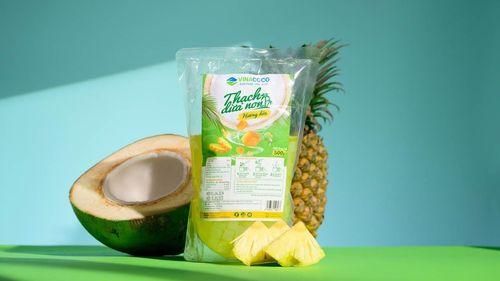
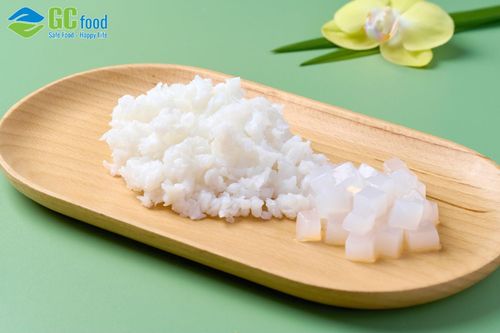
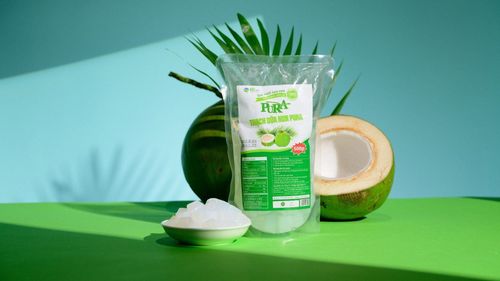
Nata de coco is widely used in many snacks, desserts, and beverages such as milk tea, sweet soups, and smoothies, thanks to its crunchy texture and light sweetness. Today, you can easily purchase pre-processed and packaged raw coconut jelly at supermarkets or on e-commerce platforms.
Tips for choosing packaged raw coconut jelly:
Prioritize products from reputable brands with clear origins.
Carefully check the expiration date and product information on the packaging.
Ensure the product meets food safety and hygiene standards.

GC Food coconut jelly is made from pure Ben Tre coconut water, known for its naturally rich nutrients. By applying advanced Aseptic UHT systems and modern pasteurization technology, GC Food ensures strict food safety standards while preserving the product’s natural sweetness and nutritional value. You can explore GC Food’s products and discover the latest recipes by visiting our About Us page.
This article was compiled by Le Thi Anh Trinh - GC Food Communications Department, specializing in researching and sharing in-depth knowledge about aloe vera and coconut jelly ingredients and production processes.