
 Ms. Lê Thị Ánh Trinh
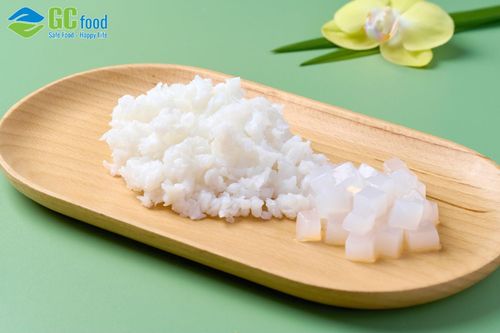
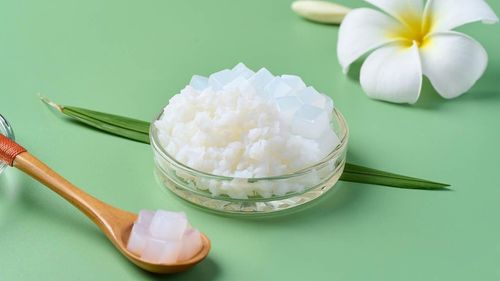
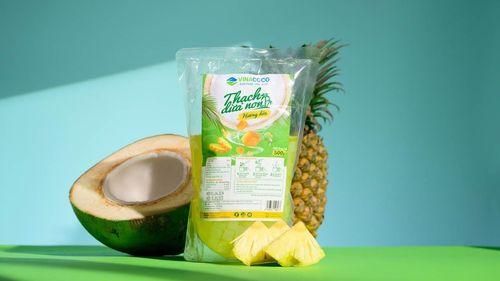
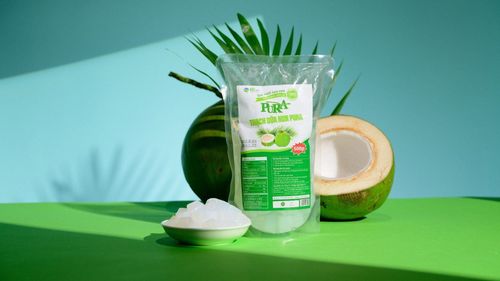
Nata de coco in a pouch is made from fermented coconut water and packaged in convenient soft pouches. It can be enjoyed directly after opening or used as a topping for milk tea, sweet soups, yogurt, and a variety of desserts. Available in common sizes such as 500g and 1kg, it is suitable for everyday home use as well as for restaurants and F&B chains.
1. What is nata de coco in a pouch?
This coconut jelly, often packaged in convenient soft pouches, is made from naturally fermented coconut water, which gives it its signature chewy and slightly crunchy texture. Produced under strict food safety and hygiene standards, it is sealed carefully to ensure easy storage and convenient use.
Unlike homemade coconut jelly, nata de coco in a pouch is manufactured through a closed industrial production process, where every stage - from raw materials to packaging - is carefully controlled. This ensures consistent texture, reliable food safety, and helps users save significant preparation time.
2. Packaging specifications for nata de coco in a pouch
Nata de coco in a pouch is produced under stable technical standards to ensure it is suitable for both direct consumption and as an ingredient in the F&B industry. Depending on the intended use - such as retail, food service, or export - the product is available in various packaging formats. The most common option is PAPE soft-pack pouches in sizes of 200g, 500g, and 1kg, making it suitable for both household and F&B use.
The sealed soft-pack packaging helps prevent leakage, preserves the jelly’s natural chewy texture, and makes transportation and storage more convenient. For beverage shops and restaurants, standardized pouch sizes also allow for easier portion control during preparation, helping optimize ingredient costs.

3. Common types of nata de coco pouches
On the market, this coconut jelly product is typically categorized based on packaging size. This weight-based classification makes it easier for users to choose the most suitable option for their needs, whether for household consumption or for use in the F&B industry.
Common characteristics of coconut jelly pouches:
Packaging: Sealed PAPE soft pouch
Ingredients: Coconut jelly made from fermented coconut water, sugar, and approved food additives
Storage: Keep in a cool, dry place away from direct sunlight. Refrigerate after opening
Shelf life: According to the information printed on the packaging
Quality standards: Complies with current food safety regulations and production standards.
Comparison table of nata de coco by package size
4. Applications of nata de coco in a pouch
Thanks to its ready-to-use production, convenient packaging, and consistent quality, this product offers versatile applications. It requires no complicated preparation and can be used immediately or easily combined with a wide range of foods and beverages.
4.1 Ready-to-eat
Nata de coco in a pouch can be enjoyed directly after opening the package without any additional preparation. With its light sweetness, naturally chewy texture, and refreshing taste, it makes a simple and enjoyable chilled dessert.
It can also be paired with yogurt, fresh fruits, sweet soups, or mixed into fruit salads to add extra flavor and texture. Because of this convenience, this coconut jelly is a practical choice for families, students, or busy individuals looking for a quick yet satisfying snack.
4.2 Ingredients for restaurants and F&B chains
In the F&B industry, nata de coco in a pouch is considered a familiar ingredient thanks to its consistent quality and easy portioning during preparation. It helps beverage shops and restaurants save preparation time, reduce ingredient waste, and maintain consistency across drinks and desserts.
This coconut jelly is commonly used as a topping for milk tea, mixed into fruit teas, added to sweet soups, yogurt, blended drinks, or used to decorate desserts while enhancing their texture. With packaging sizes of 500g or 1kg and above, these jelly pouches are especially suitable for milk tea shops, cafés, restaurants, and F&B chains that require a stable and frequently used ingredient supply.
5. Storage and shelf life of nata de coco in a pouch
To maintain its signature chewy texture and consistent quality, this coconut jelly should be stored according to the manufacturer’s guidelines. Before opening, it should be kept in a cool, dry place away from direct sunlight and heat sources. After opening, the pouch should be tightly sealed, or the jelly can be transferred to a clean, covered container and stored in the refrigerator.
The shelf life of nata de coco in pouches is typically printed directly on the product packaging by the manufacturer. Consumers should always check the production date and expiration date before purchasing or using the product, especially when buying in bulk for business purposes. Proper storage not only helps preserve the product’s quality but also ensures food safety throughout its use.

6. Frequently asked questions about nata de coco in a pouch
Below are some of the most common questions from consumers and businesses when learning about or choosing nata de coco in a pouch. Understanding these details can help ensure proper usage and storage of the product.
6.1 Can nata de coco in a pouch be eaten directly?
Yes. Nata de coco in a pouch is produced and packaged under regulated food safety standards, so it can be consumed immediately after opening. It can be enjoyed as a refreshing dessert or combined with yogurt, fresh fruits, sweet soups, or milk tea, depending on personal preference.
6.2 How long can packaged coconut jelly be stored?
The shelf life of this product is printed directly on the packaging, allowing users to easily check the expiration date and ensure proper storage and safe consumption. When unopened, it can be stored at room temperature in a cool, dry place away from direct sunlight. After opening, the pouch should be sealed tightly and kept in the refrigerator. It is best consumed soon after opening to maintain its texture and flavor. For beverage shops, dividing it into smaller portions for daily use can help preserve its quality.
6.3 What types of shops are suitable for using nata de coco in a pouch?
Packaged nata de coco is suitable for various F&B business models such as milk tea shops, cafés, and dessert shops. Thanks to its versatility and easy combination with other ingredients, it can be used in a wide range of beverage and dessert menus. For restaurants and F&B businesses with high ingredient usage, larger pack sizes such as 500g or 1kg and above are often the most practical option, helping ensure a stable supply.
6.4 How can businesses purchase coconut jelly in bulk or request OEM production?
For wholesale purchases, large-volume orders, or private-label (OEM) production, businesses should contact manufacturers or suppliers directly for detailed consultation. Working directly with a supplier helps ensure a stable ingredient supply, transparent quality standards, and long-term cost optimization for business operations.
7. GC Food - A leading supplier of nata de coco in a pouch
Currently, G.C Food Joint Stock Company (GC Food) is recognized as one of the reputable nata de coco manufacturers in Vietnam. GC Food’s coconut jelly is produced from carefully selected coconut water sourced from Ben Tre, combined with modern Pasteur pasteurization technology to ensure food safety while preserving the product’s naturally chewy texture.

For export-grade coconut jelly products, GC Food also applies an Aseptic UHT system for sterilization and aseptic packaging. This technology allows the product to achieve a longer shelf life without the use of preservatives while meeting the strict requirements of international export markets. In addition, the company provides OEM solutions for partners who want to develop products under their own private labels.
With stable production capacity and a wide distribution network, GC Food has become a trusted choice for many F&B partners as well as individual consumers. Visit our About Us page to learn more about our production lines, quality standards, and to explore nata de coco pouch products that best suit your needs.
This article was prepared by the GC Food Team - Specialists in natural ingredients.