
 Ms. Lê Thị Ánh Trinh
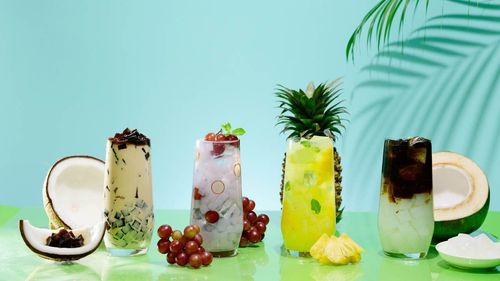
Nata de coco generally goes well with all kinds of drinks thanks to its crunchy texture and refreshing flavor. Wondering what pairs best with it? Check out these 4 simple recipes to enjoy its natural taste to the fullest.
1. What’s the best way to mix nata de coco?
Nata de coco is made from naturally fermented coconut water, with a lightly sweet taste and a satisfying crunch. It’s the perfect topping for all kinds of drinks, which is why people often wonder what goes best with it to create unique, refreshing drinks at home. Here are 4 easy ideas everyone can enjoy.
1.1 Orange juice with coconut jelly
1.1.1 Ingredients
1 fresh orange
1 cup nata de coco (190g)
Sugar to taste
Ice cubes
1.1.2 Directions
Step 1: Squeeze the juice from 1 orange into a glass. Add sugar to taste and mix well.
Step 2: Add ice cubes, top with coconut jelly, and stir gently to allow the flavors to combine.
This glass of fresh orange juice with coconut jelly has a sweet and sour balance, making it very refreshing for a sunny day. It’s also a great go-to idea if you’re wondering what to mix with coconut jelly at home.
1.2 Nata de Coco coffee
1.2.1 Ingredients
1 packet of instant coffee
1 teaspoon sweetened condensed milk
1 teaspoon creamer
1 cup coconut jelly (190g)
Ice cubes
1.2.2 Directions
Step 1: In a shaker, combine the instant coffee, condensed milk, creamer, and a little water. Shake until smooth and frothy.
Step 2: Add the nata de coco to a glass, pour in the coffee mix, drop in some ice cubes, and enjoy!
1.3 Coconut jelly, jackfruit milk jelly
1.3.1 Ingredients
5 packs of sweetened fresh milk (220ml each) or 1 liter of fresh milk
25g green tea (about 5 tablespoons)
150g white sugar
1 can sweetened condensed milk (380g)
1/4 teaspoon salt
1kg coconut jelly
3 tablespoons brown sugar
0.5 liter of water
1.3.2 Directions
Step 1: Roast and brew the tea
Roast the green tea in a pan over low heat until golden.
Add 150g of white sugar and cook slowly over low heat until it caramelizes.
Pour in 0.5 liter of water, bring to a boil, then remove from heat and let the tea steep for 15 minutes. Strain out the leaves.
Step 2: Make the milk tea base
Add 380g of sweetened condensed milk to the tea and stir until fully combined, then gently simmer.
Once it simmers, turn off the heat and add in the fresh milk and ¼ tsp of salt. The salt helps soften the sweetness and enhances the milk’s flavors. Let it cool.
Step 3: Prepare the nata de coco
Drain the liquid and keep only the solids.
Add 3 tbsp of brown sugar, mix well, and let it sit for 15 minutes to absorb the sweetness.
Cook on low heat until the syrup absorbs and the nata de coco turns shiny, fragrant, and nicely colored.
Step 4: Assemble
Layer nata de coco in a glass, add ice, pour in the milk tea, and top with extra coconut jelly if you like.
1.3.3 Final result
The milk tea turns out a light brown with a soft green-tea aroma. It’s lightly sweet, creamy but not heavy, and really refreshing. The chewy coconut jelly makes it even better, especially when it’s cold.
1.4 Yogurt with nata de coco
Both yogurt and coconut jelly are great for digestion, and together they taste fresh with a light, sweet-tart flavor and a fun, chewy texture. All you have to do is mix spoonable yogurt with drinkable yogurt, pour it over the nata de coco, add ice, and you’re done. It’s an ideal choice for anyone looking for a quick, easy, and nutritious snack.

2. Which coconut jelly is best for your toppings?
Out of all the popular toppings today, nata de coco stands out because it’s easy to mix in and makes every bite more enjoyable.
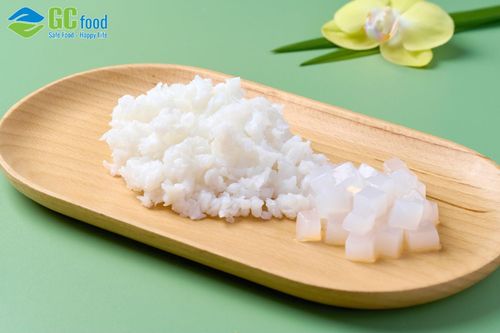
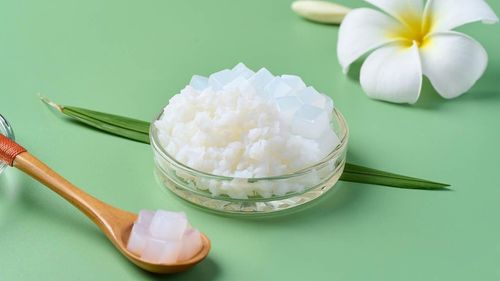
Nata de coco is usually clear, white, smooth, and evenly crunchy. You can go for small 3x3 mm cubes for bubble tea or soft drinks or long strands for desserts like sweet soups, yogurt, or smoothies. Make sure to rinse the coconut jelly well so all the sourness is gone, leaving just its naturally light, sweet flavor.
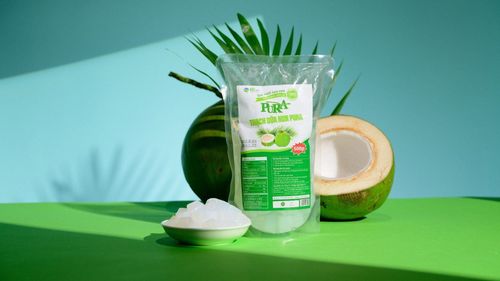
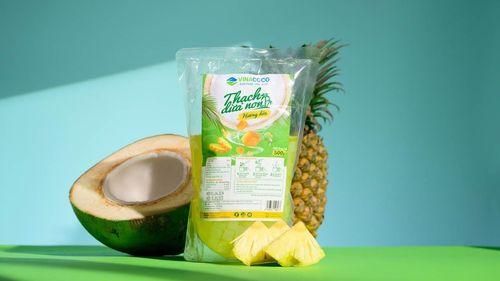
Among processing businesses in Vietnam, GC Food is a go-to for both local and international partners when it comes to supplying coconut jelly.

GC Food’s nata de coco comes from carefully selected Bến Tre coconuts. Each piece goes through fine filtration, natural fermentation, and automatic washing and cutting, keeping it crunchy and perfectly moist. It’s easy to mix into drinks, and every batch is safe and consistent.
To learn more about how GC Food creates its coconut jelly, check out the About GC Food page to follow the journey of turning Vietnamese coconuts into top-quality products loved worldwide.