
 Ms. Lê Thị Ánh Trinh
Many people enjoy Vietnamese coconut jelly for a simple reason: it is light, chewy, and has a refreshing tropical taste. Each bite feels fresh and easy to enjoy. From the bouncy nata de coco to the smooth coconut agar jelly, every type has its own charm. It is a popular choice for anyone looking to explore traditional Vietnamese sweet desserts.
1. Popular Types of Vietnamese Coconut Jelly
1.1 Nata de coco
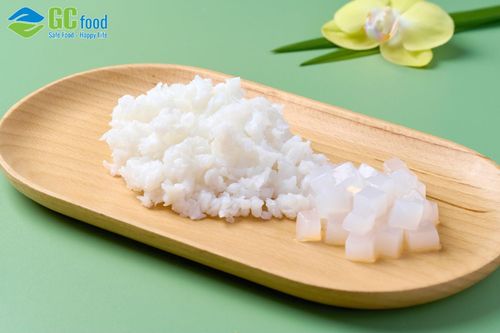
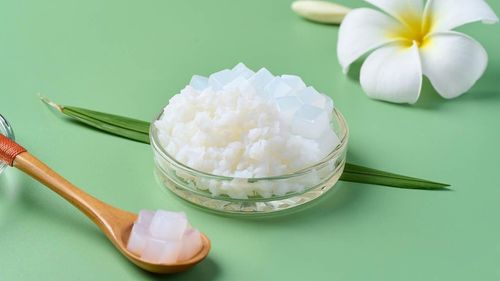
Nata de coco is a fermented jelly made from fresh coconut water. During the fermentation process, Acetobacter xylinum bacteria create a translucent, chewy cellulose layer. Once harvested, the jelly is cut into small cubes and carefully washed to remove any sourness.

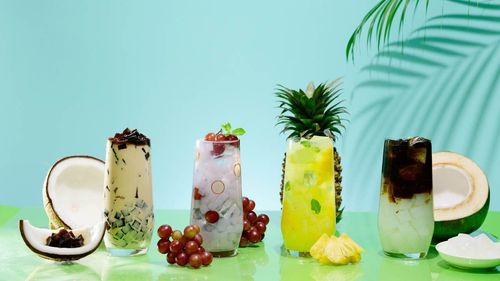
In Vietnam, nata de coco is a favorite topping in sweet soups, bubble tea, fruit salads, or refreshing drinks. It’s low in calories, high in fiber, and almost fat-free - perfect for those who want a light yet healthy treat.
Still, moderation matters. Eating too much nata de coco can lead to bloating or indigestion due to its high fiber content, so it’s best enjoyed in balanced amounts and from trusted, additive-free sources.
1.2 Coconut agar jelly
Unlike nata de coco, coconut agar jelly is cooked using fresh coconut water, coconut milk, and agar (or gelatin powder). It usually comes in two layers: a clear top layer made from coconut water and a creamy white layer from coconut milk.
This variation offers a mild coconut aroma, gentle sweetness, and a soft, melt-in-your-mouth texture. It’s a classic dessert often seen at restaurants, family gatherings, and parties across Vietnam.
1.3 Modern coconut jelly variations
Beyond the traditional versions, there are now plenty of creative twists like pandan-flavored, coffee-flavored, or caramel coconut jelly. Pandan adds a fragrant aroma, coffee gives a rich contrast, and caramel brings a deeper sweetness.
Thanks to these innovations, Vietnamese coconut jelly has become a versatile ingredient in the modern F&B industry, helping showcase the rich value of Vietnam’s local coconut products.
2. GC Food: Leading the Way in Bringing Vietnamese Coconut Jelly to the World
Among Vietnam’s many coconut jelly producers, GC Food stands out as a pioneer in building a fully integrated production chain, from sourcing fresh coconut water to creating premium export products.
With its Vinacoco factory located in Dong Nai, the company has developed a wide range of internationally certified Ben Tre coconut jelly products that meet the standards of markets such as the U.S., Japan, South Korea, and the Middle East.
To meet different market needs, GC Food offers two main product lines: raw coconut jelly for businesses and ready-to-eat retail products for consumers.
2.1 Raw coconut jelly (B2B)
Designed for food manufacturers and F&B businesses, this product line includes:
Pressed coconut jelly: Raw material packed in large PAPE or PP bags (10kg, 20kg, 25kg).
Cubed and Signature coconut jelly: Cut into square sizes from 3x3mm to 15x15mm, available with or without syrup.
Shaped coconut jelly: Fun forms like stars, hearts, sticks, strings, or pearls — more eye-catching than traditional cubes.
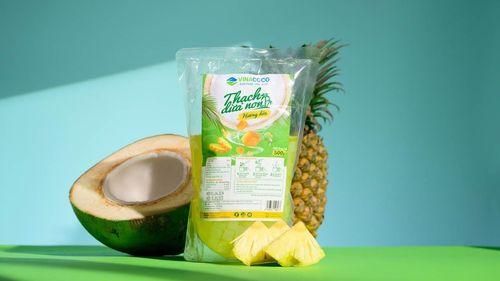
Fruit-flavored coconut jelly: Enhanced with tropical flavors such as pineapple, grape, strawberry, and passion fruit.

2.2 Retail coconut jelly products
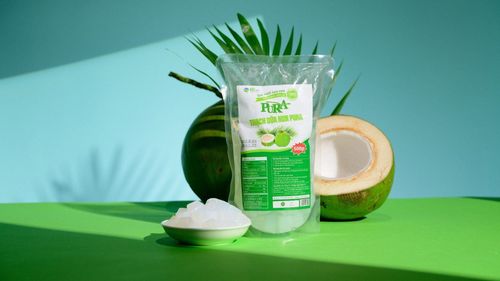
These ready-to-eat products (or items) are conveniently packaged in cans (180g, 850g, 3kg), pouches (200g, 500g, 1kg), or plastic jars (1kg-3.8kg), making them easy to enjoy anytime, anywhere.
2.3 Advantages of Ben Tre coconut jelly from GC Food
GC Food’s Ben Tre coconut jelly stands out for
Advanced Pasteurization Technology: Keeps the jelly’s natural fiber texture and signature chewiness.
Premium Coconut Source: Made from mature coconuts grown in Ben Tre — Vietnam’s “coconut capital.”
Comprehensive International Certifications: FSSC 22000, HALAL, FDA, GACC, and Kosher.
Creative Designs: Available in cube, heart, star, and round shapes with popular flavor options for both F&B and export markets.
With these strengths, GC Food proudly represents the excellence of Vietnamese agricultural products on the global stage. To learn more about their production process, certifications, and commitment to sustainable growth, visit the GC Food Introduction page.