
 Ms. Lê Thị Ánh Trinh
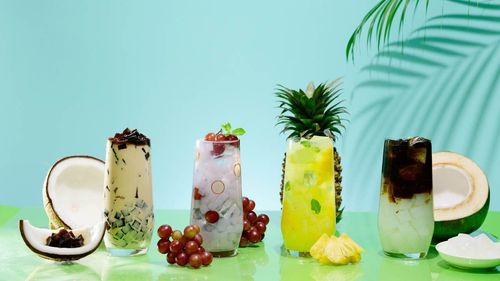
Coconut and kumquat tea is a popular cooling drink, appreciated for its light plus refreshing taste that balances the natural tartness of kumquat with the gentle sweetness of fresh coconut water. However, many people tend to find their homemade tea bitter or overly sour. This article reveals a well-balanced recipe paired with chewy coconut jelly from GC Food.
1. Ingredients for coconut and kumquat tea
To prepare coconut and kumquat tea with a refreshing coconut jelly topping, you will need the following common ingredients:
8g of finely ground green tea leaves
800ml of fresh coconut water
Ice cubes
Table salt
Fresh kumquats
65g of pandan leaves
2.5 to 3 liters of filtered water
12g of soft jelly powder
300g of white granulated sugar
80g of coconut cream powder
50ml of Korean sugar syrup
100g of tender young coconut meat
50g of Thai jackfruit
50g of pineapple
2. A standard recipe for café-style coconut and kumquat tea
Once all the ingredients are prepared, you can begin making a flavorful cup of coconut and kumquat tea. The following recipe provides detailed guidance, covering fruit preparation, tea brewing, and the steps to create a chewy coconut jelly topping.
2.1 Fruit soaking
Rinse the young coconut meat, Thai jackfruit, kumquats, and pineapple thoroughly, then slice them into pieces about 3mm thick or into bite-sized portions. Place all the prepared fruit in a bowl, add 20ml of Korean sugar syrup along with 40ml of filtered water, and mix well. Cover the bowl and let the fruit soak for 15 to 20 minutes to absorb the syrup. Afterward, add 5g of cleaned pandan leaves cut into 3cm segments and gently combine.

2.2 Brewing coconut and kumquat tea
First, bring 400ml of fresh coconut water to a boil to prepare the tea base properly. Place 8g of finely ground green tea leaves into two tea filter bags, then pour the hot coconut water over them. Gently press the tea bags 10 to 15 times, cover, and allow the tea to steep for 5 minutes.
After 5 minutes, press the tea bags another 10 to 15 times to fully extract the tea essence, then remove them. Add about 200g of ice and 400ml of chilled fresh coconut water to the container, stirring well to cool the tea concentrate.
Next, add 37.5ml of kumquat juice, 1ml of salt, 500g of ice cubes, the soaked fruit, and 5g of finely chopped pandan leaves to the mixture, then stir thoroughly to ensure all ingredients are evenly blended.
2.3 Cooking pandan jelly
Blend 55g of pandan leaves with 300ml of filtered water until smooth, then strain the mixture through a cloth bag to extract the pandan juice. Next, thoroughly mix 6g of soft jelly powder with 150g of white granulated sugar to prevent clumping during cooking.
Bring 1.2 liters of filtered water to a boil, turn off the heat, and stir for about 10 seconds to reduce the temperature slightly. Gradually add the jelly powder and sugar mixture while stirring vigorously until fully dissolved. Return the pot to high heat, and once it comes to a boil again, reduce to low heat, then simmer for 5 minutes while stirring once every minute.
After 5 minutes, add 275 to 300ml of the prepared pandan juice, stir well, then turn off the heat. Finally, pour the jelly into molds, allow it to cool naturally, and refrigerate until fully set.
2.4 Cooking coconut jelly
Similar to the pandan jelly, begin by thoroughly mixing 6g of soft jelly powder with 150g of white granulated sugar. Next, bring 1 liter of filtered water to a boil, turn off the heat, and stir for about 10 seconds to release excess heat. Gradually add the jelly mixture while stirring until completely dissolved.
Return the pot to the stove and bring the mixture back to a gentle boil again. Once boiling, reduce to low heat and cook for another 5 minutes, stirring steadily once every minute. After 5 minutes, dissolve 80g of coconut cream powder in 50ml of hot water and add it to the pot, stirring well before turning off the heat. Finally, pour the coconut jelly into molds, allow it to cool, and store it in the refrigerator until set.

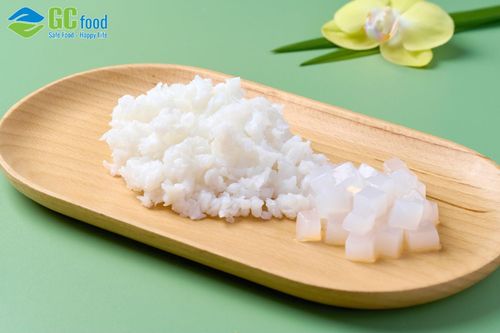
3. GC Food coconut jelly - A safe topping for all beverages
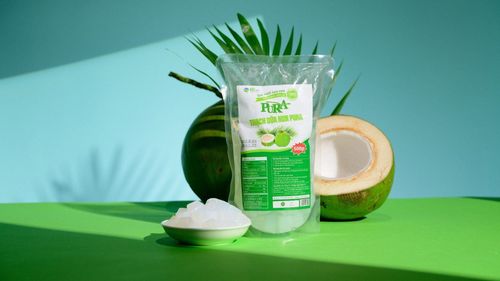
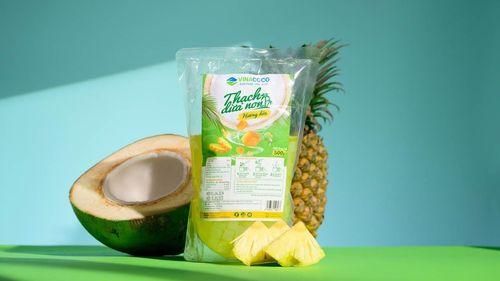
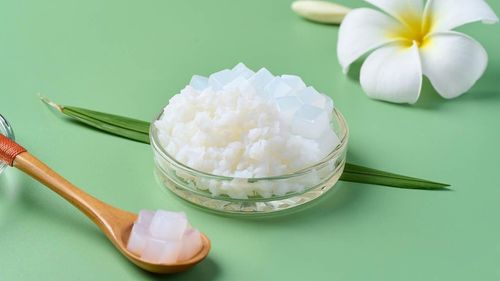
To reduce preparation time, you may opt for packaged coconut jelly from reputable brands available on the market. At present, coconut jelly produced by G.C Food Joint Stock Company (GC Food) is widely trusted by F&B businesses as well as consumers thanks to the use of standardized raw materials that meet food safety and hygiene requirements.
GC Food coconut jelly is manufactured through a closed production process and applies advanced Pasteurization technology, allowing the jelly to retain its natural flavor along with an ideal chewy texture. For selected export products, GC Food also adopts modern Aseptic UHT systems, ensuring sterilization and packaging in a fully aseptic environment that complies with international export standards.
With the recipe shared above, you can easily prepare a refreshing, café-quality coconut and kumquat tea at home. To save time, you may also consider using GC Food coconut jelly, which offers consistent quality and ensures health safety for your family. For more brand information and the latest articles, please visit our “About Us” section.
This article was compiled by Le Thi Anh Trinh, Communications Department of GC Food, specializing in collecting as well as sharing in-depth knowledge on aloe vera and coconut jelly ingredients as well as production processes.