
 Ms. Lê Thị Ánh Trinh
Fruit kombucha is a naturally fermented beverage loved for its refreshing taste and health benefits. More than a thirst-quenching drink, it supports digestion, boosts immunity, and may aid weight management. In this article, you’ll find a simple, step-by-step recipe to brew your own probiotic tea at home and enjoy it fresh every day.
1. What is fruit kombucha and why is it so popular?
Kombucha is a fermented tea that originated in East Asia, traditionally made from tea, sugar, and a SCOBY (Symbiotic Culture of Bacteria and Yeast). When infused with fresh fruits, fruit kombucha develops a balanced sweet-and-tangy flavor that is smoother, more approachable, and appealing to a wider range of consumers than classic kombucha.
Thanks to its natural fermentation process, this fruit-infused beverage contains organic acids, enzymes, and beneficial probiotics that support digestive health. It helps promote gut microbiome balance, reduce bloating, and may contribute to effective weight management as part of a healthy lifestyle.

2. Ingredients needed to make fruit kombucha
To brew fruit kombucha at home, prepare the following basic ingredients:
Pure black tea or green tea
White granulated sugar
Filtered water
Kombucha starter culture (SCOBY)
Fresh fruits such as oranges, apples, strawberries, mangoes, passion fruit, or your preferred seasonal options
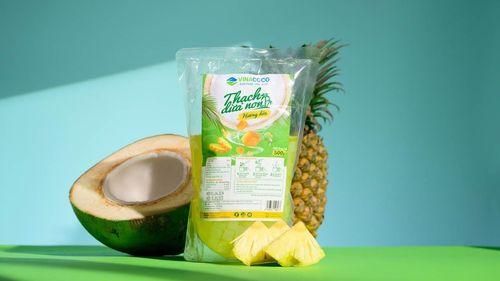
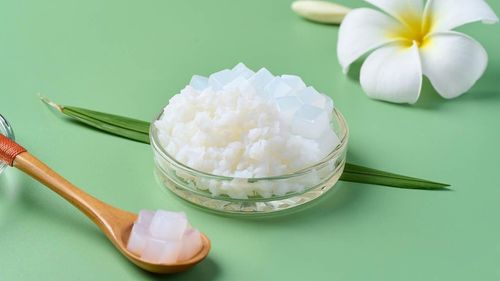
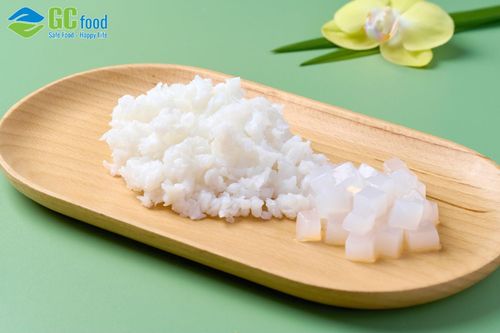
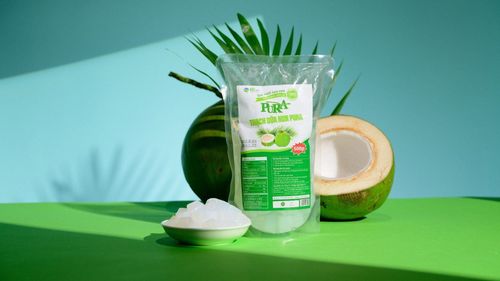
GC Food nata de coco as a topping, adding a refreshing, chewy texture to the drink
3. How to make fruit kombucha at home
3.1 Brewing the kombucha base
Start by bringing water to a boil, then steep the tea for about 10 - 15 minutes to fully release its aroma and flavor. While the tea is still hot, add the sugar and stir until completely dissolved. Allow the sweetened tea to cool to room temperature before moving on to the fermentation stage.
Once cooled, pour the tea into a clean glass jar, add the SCOBY, and cover the jar with a breathable cloth secured with a band. Place it in a dry, well-ventilated area away from direct sunlight and let it ferment naturally for 7 - 10 days.
3.2 Finishing the fruit kombucha
After the initial fermentation, taste the tea, and if it has developed the signature mild tang of kombucha, the base is ready. Add your chopped fresh fruit to the jar for a second fermentation and let it sit for another 2 - 3 days. This step enhances the natural aroma and creates a balanced sweet-and-tart flavor that’s smooth and refreshing.
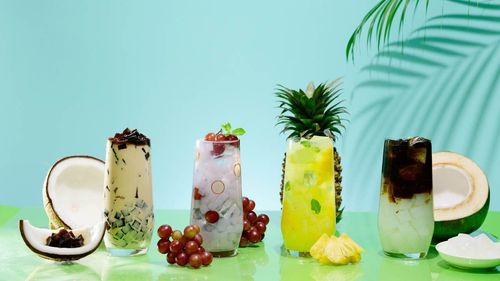
Once the second fermentation is complete, strain out the fruit solids and keep only the fermented tea. Pour the finished drink into a glass, add ice, and top with GC Food coconut jelly for extra texture. With its light sweetness and pleasant chewiness, the nata de coco complements the fruity notes and makes the drink even more enjoyable and easy to sip.
4. Tips for making and storing fruit kombucha
Make sure all kitchen tools and fermentation jars are thoroughly cleaned and sanitized to prevent contamination, which can affect both the fermentation process and consumer health. Fermentation time may vary depending on room temperature and personal taste. If you prefer a milder flavor, shorten the brewing time. For a more pronounced tang, allow it to ferment longer - ideal for those who already enjoy the bold taste of kombucha.
Once finished, store your fruit kombucha in the refrigerator and consume it within 5 - 7 days to maintain optimal freshness and flavor.
This recipe is recommended by the GC Food team, a trusted manufacturer of internationally certified nata de coco products, chosen by customers for consistent quality and food safety standards.
5. GC Food nata de coco - The perfect topping for fruit kombucha
Nata de coco from G.C Food Joint Stock Company (GC Food) is widely loved for its perfectly chewy texture, light sweetness, and refreshing taste that pairs beautifully with fermented beverages. It enhances the overall drinking experience, adding both texture and balance to fruit-based kombucha.
GC Food is a trusted brand specializing in high-quality nata de coco products, made from carefully selected, standard-compliant raw materials sourced in Ben Tre, Vietnam - one of the country’s most renowned coconut regions.

GC Food products are manufactured through a closed production system using modern Pasteurization technology to ensure strict food safety standards while preserving their natural flavor. This commitment to quality has earned the trust of a wide range of customers. In addition, GC Food applies an Aseptic UHT system to selected export products, enabling its nata de coco to meet stringent food safety requirements in markets such as Europe and South Korea.
Visit the GC Food website today to learn more about us, explore our diverse nata de coco product range, and discover more inspiring beverage recipes.
This article was prepared by Le Thi Anh Trinh - Communications Department at GC Food, specializing in compiling and sharing in-depth knowledge about aloe vera and nata de coco ingredients and production processes.